

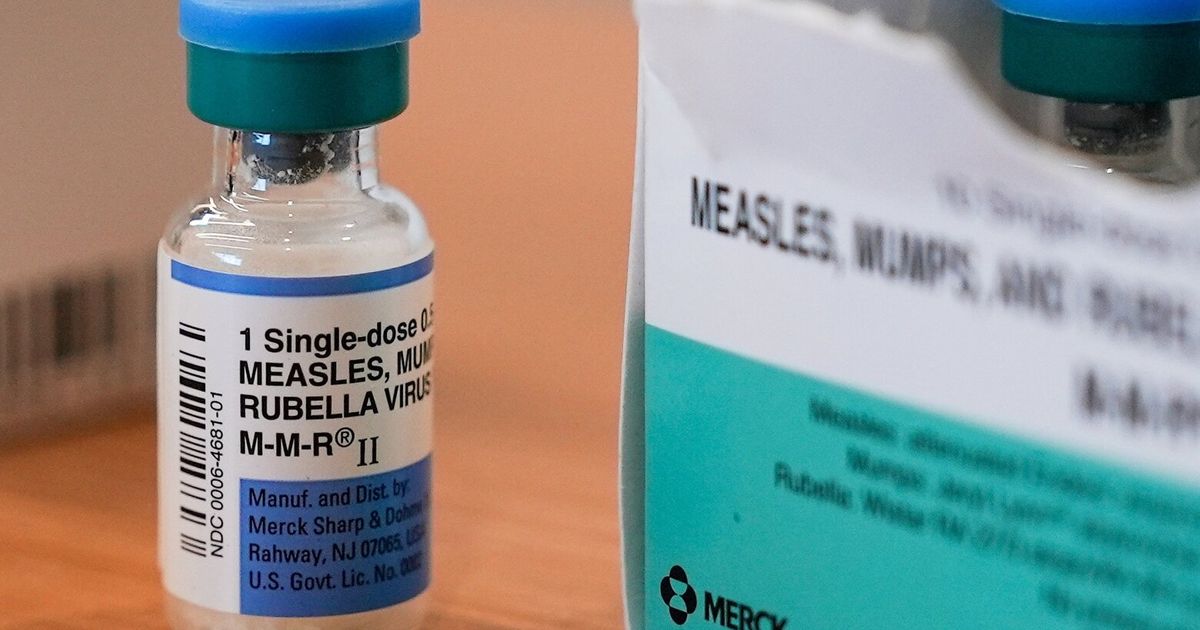
The U.S. now has more recorded cases of measles — a highly contagious but vaccine-preventable disease — than any time in the past 35 years. Over the past two years, the infection has impacted undervaccinated communities across our country. National data show that measles has re-established itself after the U.S. declared the infection eliminated in 2000.
Although this is a notable public health setback, there are several actions we can take to protect one another in King County and Washington state. We have an experienced public health system, dedicated healthcare partners and a committed community; together we have faced disease threats before. The decisions we make and actions we take now to improve vaccination rates can help us prepare and safeguard our communities from unimpeded measles circulation in our region.
The story behind the return of measles highlights both the challenges and the lessons that inform our present-day strategies. Measles elimination was achieved after a decadeslong public health effort to break the cycle of transmission through high immunization rates. In the pre-vaccine era, complications such as hospitalizations, pneumonia or brain swelling were common concerns of parents and doctors, and as many as 30% of people with infection experienced a complication. Before the vaccine, measles caused up to 500 deaths every year. We now know that measles directly attacks the immune system, making it forget how to fight other illnesses for as long as three years after someone recovers from the infection.
Measles is one of the most contagious infections we know of. When a sick person talks, coughs or sneezes, tiny droplets containing the virus are spread in the air. In a room of people who are not immune, nine of 10 will get measles. The virus can remain up to two hours after an individual has left an area. Additionally, a person can be contagious even before the characteristic rash appears. This made measles a seeming inevitability in the time before the vaccine, while parents hoped their child survived infection. But in the years following the measles vaccine’s introduction, there was a dramatic decline in measles in large part due to the vaccine’s remarkable and durable protection.
Two doses of the vaccine are about 97% effective at preventing measles and protection usually lasts a lifetime. Thus, vaccination remains our most important tool against the return of measles. The first dose is given at 12-15 months of age and the second at 4-6 years of age. (More info: st.news/mmr)
Sustained measles transmission is not inevitable in our state. Each of us plays an important role in keeping measles at bay, beginning with a simple first step: verifying that you have documented measles immunity with your healthcare provider. Get a measles vaccine if you do not have vaccination records, or have not had a test that shows you are immune. You are generally considered immune if you were born before 1957.
We also recommend that you and your family get vaccinated against measles before travel outside of the U.S., including to Canada and Mexico. As parents of young children, we recognize that taking these steps not only protects our family, but the entire community. Maintaining high measles immunity ensures we are protecting people who cannot receive or benefit from the measles vaccine including those who are pregnant, severely immunocompromised and young children under the age of 1 year.
Access to the vaccine in the community, clear and consistent communication, and science-backed recommendations are necessary parts of any comprehensive measles strategy. In Washington, we remain committed to evidence-based recommendations. For example, Washington endorsed the American Academy of Pediatrics’ childhood vaccination schedule in the face of politicization of federal vaccine policy. Much work remains to address other key vulnerabilities that measles can exploit, including pockets of low vaccination rates that result from lack of access to healthcare resources and spread of vaccine misinformation.
But we are committed to making steady progress in these areas through collaborative work with our community and healthcare partners. We have successfully navigated health threats before and collectively, we can continue to safeguard the health and well-being of our communities from the return of measles.
