

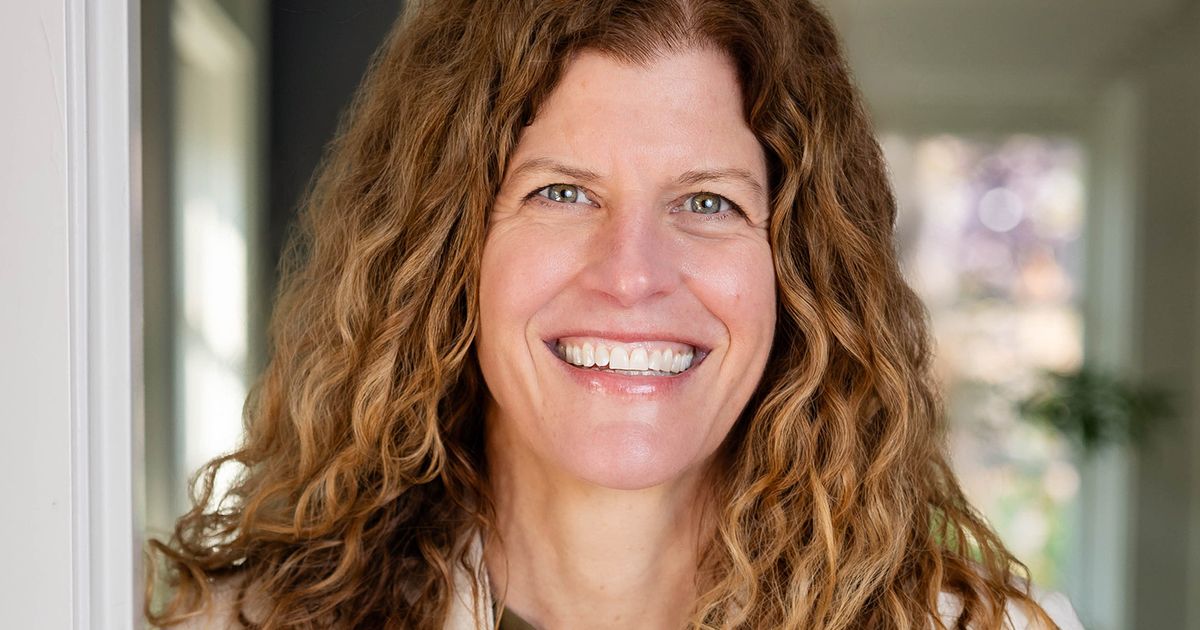
The race between Carol Rava and Jen LaVallee to represent South Seattle on the Seattle School Board is a contest of nuance.
Both candidates are riveted on better oversight of the school district’s budget. Both have eloquently articulated new approaches to improving school safety. And both have a demonstrated commitment to Seattle Public Schools, though of very different types: LaVallee is a mom-turned-activist. She co-founded the grassroots group All Together for Seattle Schools, and has a tight focus on regenerating trust between SPS and parents.
Rava, who formerly worked at district headquarters, is more of a brass-tacks pragmatist. Her eye is on setting performance goals, determining how to meet them, and using data to make better decisions.
Either would be a worthy voice for families in District 7, which stretches from Rainier Beach to Beacon Hill. But Rava has the professional expertise — in education policy, technology, finance and administration — to hit the ground running, so she wins The Times editorial board’s endorsement. In a district with challenges the size of Seattle’s, there is no time to navigate a learning curve.
The most pressing problem is SPS’ budget, which has been roughly $100 million in the red for three years running. Darkening the picture are recent analyses that suggest the Seattle School Board has failed to scrutinize some 31% of its spending, mostly at district headquarters.
A major reason for this lack of oversight is the current board’s decision to stay out of money matters under its new management approach, known as “Student Outcomes Focused Governance.” SOFG, which comes with rigid rules and hefty charges for required training, deems school spending to be beyond the board’s purview because finances are not a student outcome.
“I think that’s incredibly problematic,” said Rava, noting state law explicitly assigns fiduciary responsibility to school board directors. LaVallee also opposes the SOFG model, which, bizarrely, discourages board members from meeting regularly with their constituents. Whoever is elected, it’s likely the next school board will have enough votes to end its contract with SOFG. Hallelujah.
Yet, in her endorsement interview, LaVallee was squishy about how she’d vote on labor contracts the district can’t afford, such as the one currently in place with teachers. Despite knowing its salaries went well beyond what Seattle could cover, LaVallee said she “would have really struggled” to vote no. It’s difficult to square this position with her outrage at the current board for abdicating its fiscal responsibilities.
For some, Rava’s history may raise questions of a different kind. She worked on education at the Bill & Melinda Gates Foundation, a major force behind the state’s controversial charter school law, though Rava says she does not support charters. In 2008, she left that job to join former Seattle Public Schools Superintendent Maria Goodloe-Johnson at district headquarters, a period when the district ill-advisedly closed 11 schools (only to reopen them a few years later) and became embroiled in financial scandal.
Rava, who had no involvement in those crimes, says the experience made clear the dangers of having a chief executive blinded by allegiance to old friends.
On a more personal level, Rava has seen five children through Seattle schools and put in time to get up to speed on K-12 finance through a certificate course at Georgetown University’s well-known Edunomics Lab.
She has a clear-eyed view for what’s necessary to take SPS into the future, and the professional chops to make that vision real.
