

Of five Washington Supreme Court justice seats on the statewide ballot, only one has a longstanding elected incumbent.
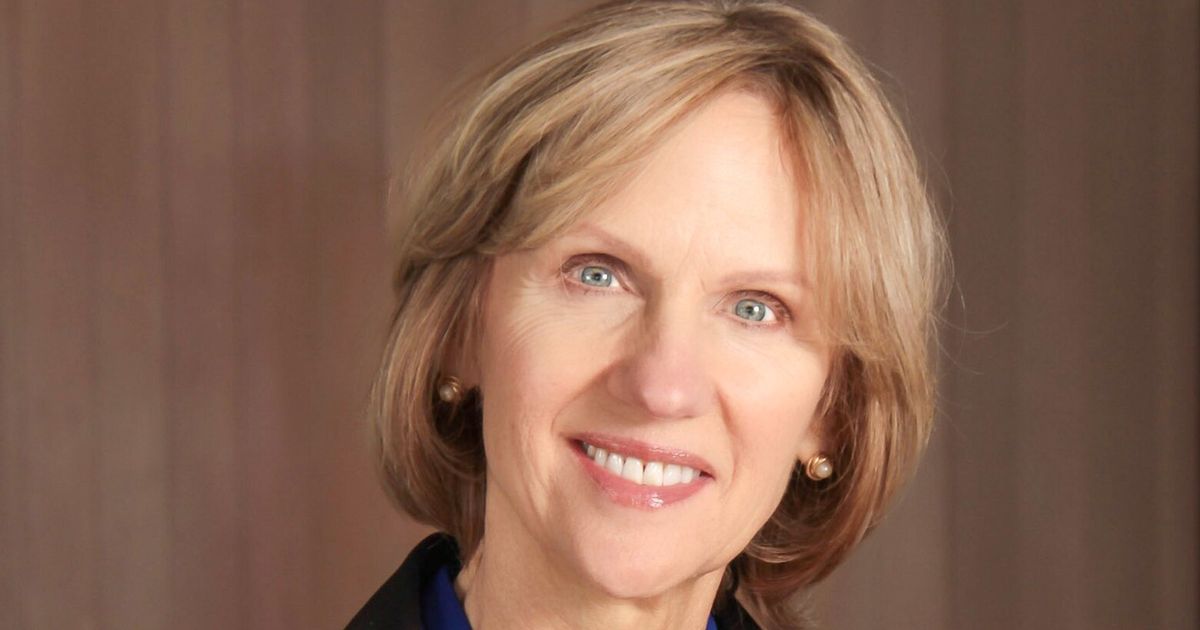
Chief Justice Debra Stephens is running for her fourth four-year term. First appointed in 2008, the then-Spokane appellate attorney stood for election later that year. She was an adjunct professor in constitutional law at her alma mater, Gonzaga University law school. She had served also on a school board.
The stage is set for a newly comprised court. Two are open seats with incumbents not running for reelection. Two feature Gov. Bob Ferguson’s appointments to fill seats vacated early. The appointees are running their first election.
This election occurs at a time when much attention is focused on the state Supreme Court. They may be weighing the constitutionality of the state’s new income tax on high earners. Set to begin in 2029, the 9.9% tax exempts the first $1 million in income. Already, opponents of the new law have filed a lawsuit. And Let’s Go Washington has turned in more than 500,000 signatures to the secretary of state’s office to put a repeal on the ballot in November.
Only two of Stephens’ three challengers participated in The Seattle Times editorial board endorsement process. Both suggest the court as it’s composed now has been tilting too far to the left and its members are not exercising enough judicial restraint.
Opponent Karim A. Merchant spent 15 years as a public defender and has been in private practice the last three. He is the son of immigrants and was born in Ohio, then moved to Washington in second grade.
A Navy veteran, challenger Todd Bloom is a lawyer and CPA who has specialized in advising clients on financial matters, including tax, business and estate planning. He is in his second three-year term as a member of the Washington State Bar Association board of governors.
In particular, they criticized the ruling that upheld the 2001 capital gains tax, Quinn v. State of Washington. In the 7-2 decision, the court ruled that the capital gains tax did not go awry of the state’s Constitution, which precludes the state from taxing income at different levels. Two justices said the gains were not income.
Some lawmakers suggest that Quinn opens the door to the court’s allowing the income tax to stand. Stephens demurred, saying “Not at all.”
Both of the challengers are qualified and thoughtful, but neither made a strong enough case to replace Stephens.
With the turnover on the court, Stephens, with her experience as chief justice and institutional knowledge, is the better choice.
