

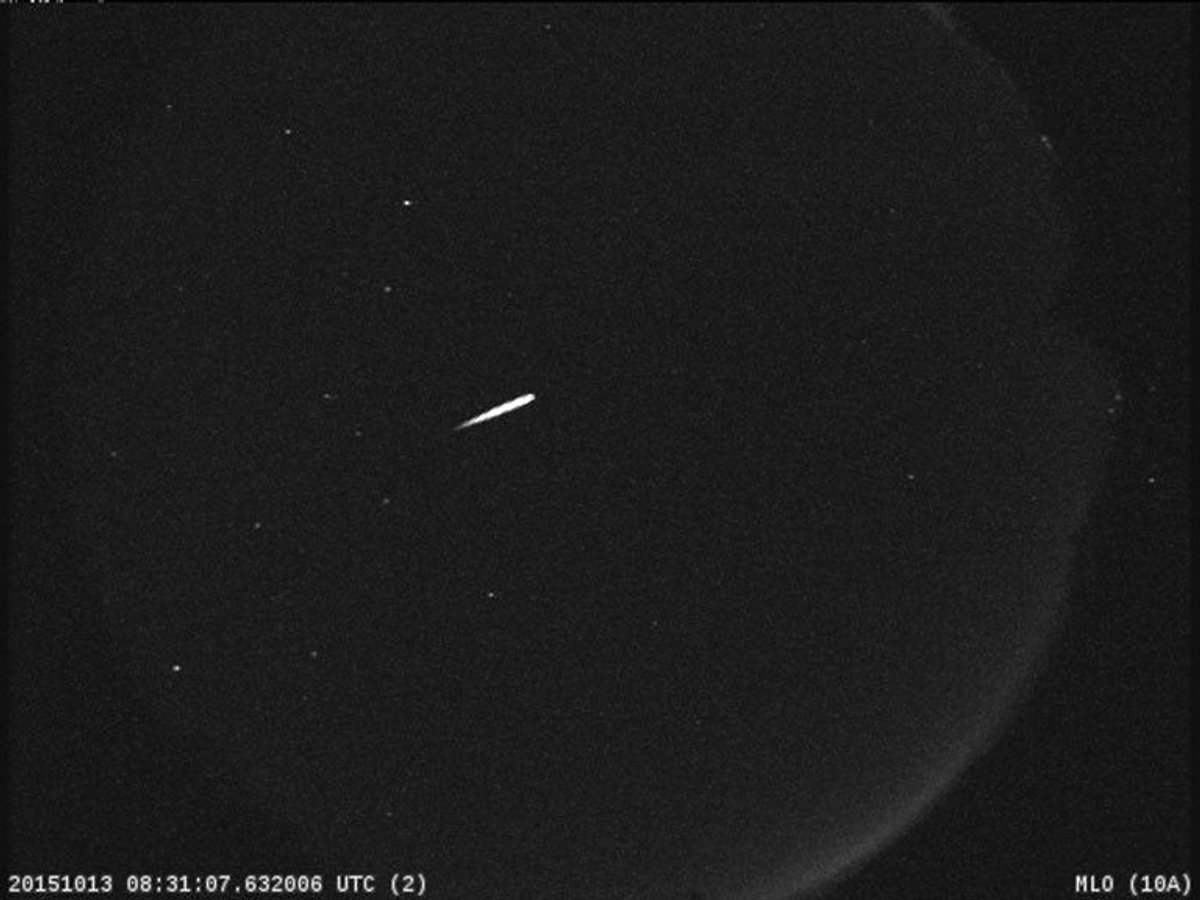
It’s fall, which means the nights are getting colder and longer—but they will also soon be speckled with shooting stars when a pair of meteor showers make their annual visit to Earth this month.
The first is the Draconid meteor shower, which is expected to peak on the night of October 8, followed by the Orionid meteor shower, which will peak on October 21, according to NASA.
The Draconids and Orionids are basically cosmic leftovers: As comets or asteroids orbit the sun, they leave a trail of debris, dust and ice. When Earth crosses paths with these trails, bits of that material burn up in the planet’s atmosphere—producing the stunning streaks of light we call meteors, or shooting stars.
On supporting science journalism
If you’re enjoying this article, consider supporting our award-winning journalism by subscribing. By purchasing a subscription you are helping to ensure the future of impactful stories about the discoveries and ideas shaping our world today.
The Draconids—which are named for the constellation Draco—owe themselves to Comet 21P/Giacobini-Zinner, a space rock that is just 1.24 miles (about two kilometers) in diameter. The Orionids—which are similarly named for the constellation Orion—originate from Halley’s Comet, which is about 9.3 miles (15 kilometers) in diameter at its widest.
The Draconids are the smaller shower, and NASA expects the display to only produce “a few meteors per hour” this year. On the upside, you don’t need to stay awake until the wee hours of the night to see it: “This is an ideal meteor shower for casual sky watchers, since it begins soon after darkness falls rather than in the early morning hours,” the agency says.
Sky gazers might have more luck spotting a meteor during the Orionids’ peak on October 21, but the “prime viewing window” will be before dawn, after the moon sets, according to NASA.
As with any meteor shower, you’ll have your best chance of catching shooting stars by viewing the sky from an area with limited light pollution and giving your eyes about 30 minutes to adjust to the dark.
If you miss these two showers, know that they aren’t all the sky has to offer this fall. As Scientific American previously reported, two other showers, the Southern and Northern Taurids, are set to peak on the nights of November 4–5 and 11–12, respectively. Happy viewing!
Subscribe to Support Independent Journalism
Great science journalism requires human expertise, time, effort and creativity. And it costs money. That’s why I and the journalists here at Scientific American hope you’ll join our community.
When you subscribe, you are supporting staff and freelance journalists who are passionate about telling science stories that are true, important and compelling. Our editors and reporters are often experts in their fields, which means they understand the nuances of big discoveries and can untangle the breakthroughs from the hype. With a subscription, you are also supporting rigorous fact-checking to ensure the words we publish are precise and accurate. And you’re supporting original illustrations, graphics and photos that bring you closer to an advanced laboratory, an ice sheet in Antarctica or a space mission in orbit. You’re helping us craft other types of high-quality journalism as well: Our newsletters are carefully written, edited and curated by staffers you have or will come to know and love. Our Science Quickly podcast is based on original reporting, collaboration with editors and scientists and exacting production.
Subscriptions keep this engine running so we can continue to deliver thoughtful, rigorous and independent science journalism to you. In an era of viral misinformation, this work is crucial. If you value what we do, I hope you’ll consider joining us as a subscriber
