

NOT A PANACEA
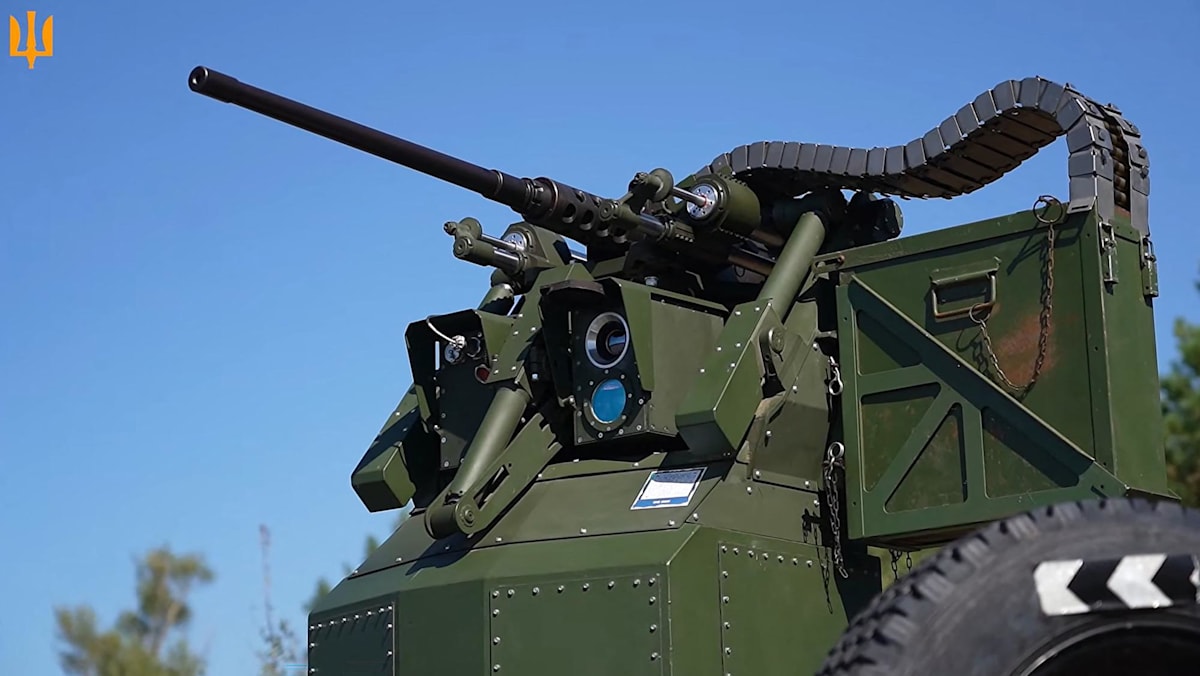
Ignat acknowledged that the new system had a small operating radius.
“It can operate at about one kilometre plus. And it works when conditions are favourable, when the attack approach angle is suitable,” he told AFP.
“This is not some kind of panacea,” he said, stressing that the turrets were part of “an integrated air defence system that provides engagement of these targets at different tiers”.
“Of course we rely on all available assets.”
Ignat said that currently, most of the work against jet-powered drones “is actually done by aviation”.
“Because they fly high, they fly fast, it’s the fighters that can catch them, especially the F-16s,” he explained, adding that some pilots could “sometimes shoot down more than 10 Shaheds in a single sortie”.
But the pilots were often forced to use aircraft cannons against drones, “because there are no missiles, (or) there are very, very few”, he lamented.
Ukraine, which has repeatedly sought more support to fend off Russia since its full-scale invasion began in 2022, has been accelerating the integration of artificial intelligence into its defence capabilities.
It is already using the technology on the frontlines to guide drones, detect targets for strikes and coordinate large-scale operations.
