

ATTACKS RATTLE CEASEFIRE TALKS
The duelling attacks reflect the fragility of a weeks-long ceasefire, which has seen repeated attacks even as American and Iranian officials try to negotiate a deal to extend it.
Iran has maintained its chokehold on the Strait of Hormuz in the meantime, disrupting global energy supplies as a fifth of all oil and natural gas traded once passed through the narrow mouth of the Persian Gulf.
Over the weekend, the US fired a missile into the engine room of a Gambia-flagged cargo ship trying to break its blockade of Iranian ports .
A trickle of ships have made it out of the strait, but pressure continues on global energy supplies, as well as chemical fertiliser which has led to fears of food shortages. The Gulf region produces 30 per cent of globally traded chemical fertilisers.
US President Donald Trump met with advisers on Friday but has yet to decide on whether to move ahead with a deal to extend the ceasefire and reopen the strait, while Iran has said the deal had not been finalised.
Trump expressed optimism about the talks in a post on his Truth Social platform early on Sunday in Washington, mocking critics without addressing the ongoing crossfire.
“Iran really wants to make a deal, and it will be a good one for the USA and those that are with us,” he wrote. “Just sit back and relax, it will all work out well in the end – It always does!”
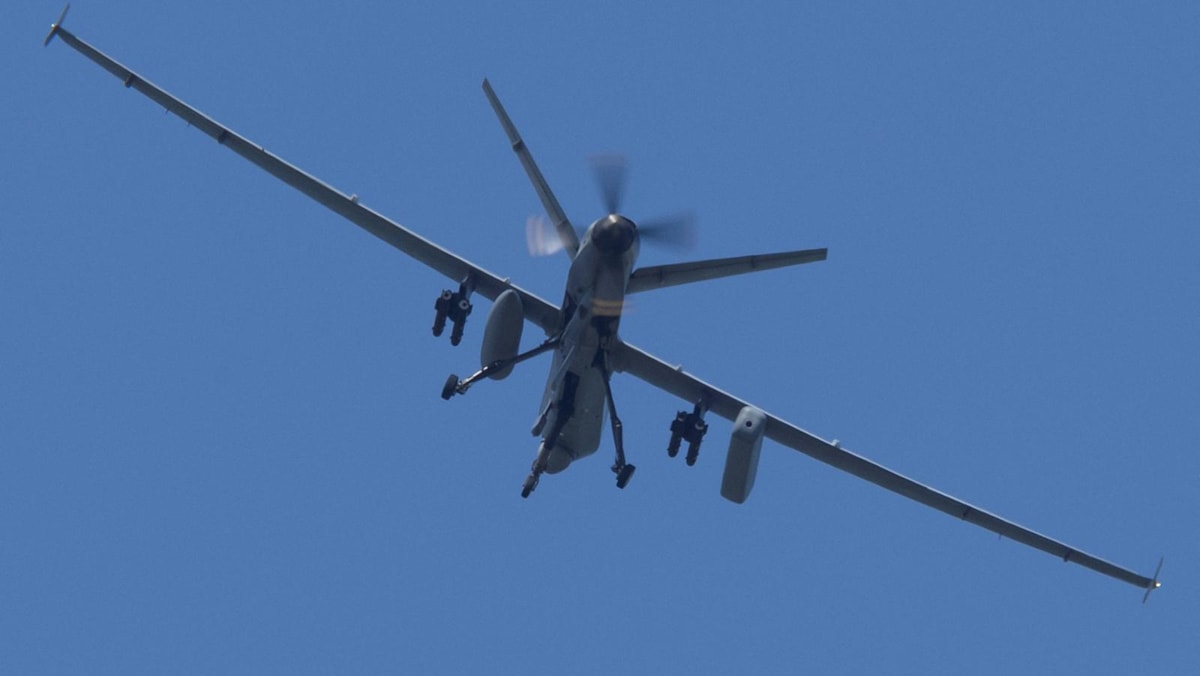
Meanwhile, Kuwaiti air defences intercepted “hostile missile and drone attacks”, its military said on Monday, as air raid sirens howled across the country.
“The General Staff of the Army wishes to advise that any sounds of explosions heard are the result of air defense systems intercepting these hostile attacks,” the Kuwait Army said in a post on its official X account.
KUNA, the state news agency, reported that air raid sirens rang across the Gulf nation, despite a US-Iran ceasefire in place.
