

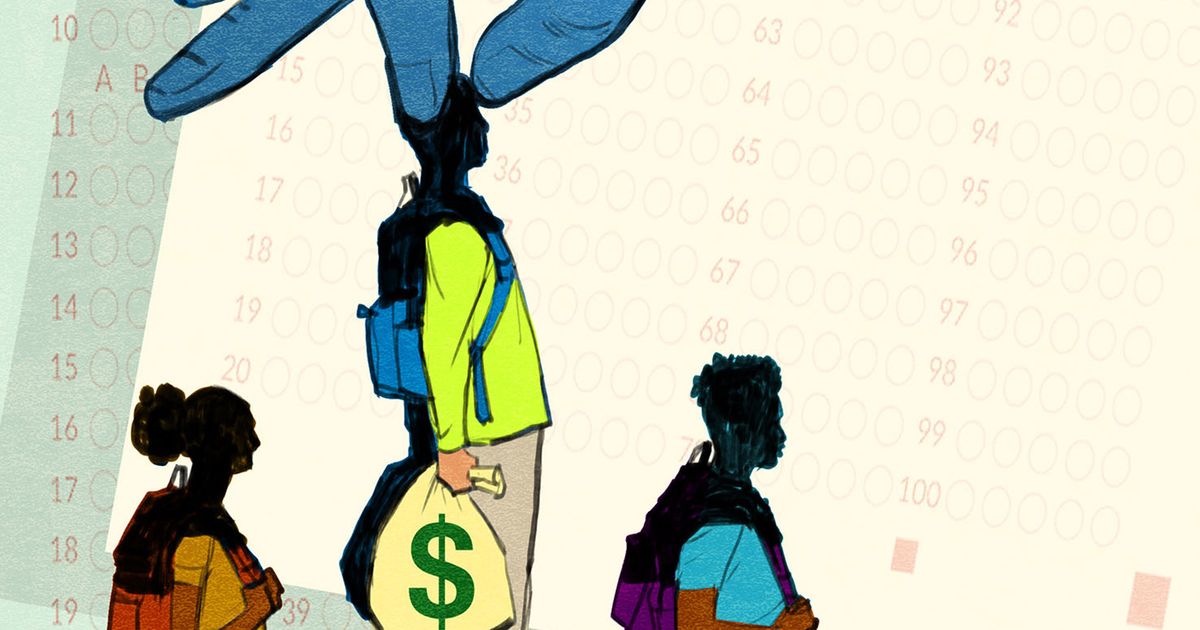
During the recently concluded legislative session, state lawmakers faced up to their spending plans that wildly outpaced revenue forecasts. They therefore had to prioritize their spending and concluded that helping low-income and first-generation students reach college and succeed there is not a high enough priority.
The College Success Foundation (CSF) provides in-school advisers, FAFSA help, mentorship and scholarship support to more than 24,000 students annually in 11 school districts, including Seattle, Kent and Tacoma. It engages students in middle and high school to prepare them for higher education and then supports them in college.
CSF scholars graduate high school at a higher rate than students statewide, and those who enroll in college perform well.
The nonprofit foundation operates as a public-private partnership. It receives significant private donations, but state contracts have been a key revenue source. Now lawmakers are upending that relationship. They cut more than $12 million in state contracts with CSF in their budget agreement.
That will force CSF to gut its services. It will let two-thirds of staff go, and only 4,500 students will receive help next year as a result. All services at three Seattle Public Schools campuses will end.
This is penny-wise and pound-foolish. That $12 million is barely a rounding error in a $78 billion two-year state budget that featured the largest tax increase in state history. But the impacts on low-income and first-generation students will be profound. College will slip further out of reach.
The cuts dismantle proven pathways to prosperity and stability for those who need it most. CSF alumni become innovators and vital contributors to the state’s economy and its communities.
Fiscal prudence is essential, but the Democratic lawmakers who crafted this budget forgot that wisdom is equally important. Cutting programs like CSF abandons the potential of thousands of youths, leaving them to fend for themselves in a system stacked against them.
If you would like to share your thoughts, please submit a Letter to the Editor of no more than 200 words to be considered for publication in our Opinion section. Send to: letters@seattletimes.com
