

There has been a lot of discussion recently about the negative business climate in Seattle. Those of us living in Cowlitz County have been having this conversation for quite some time. We are a community where traditional industries have all but disappeared, and where good, new projects come to die. Ports, pipelines and even working forests have been criticized by people outside of our community. Although this downturn might be new for those in King County, here in Southwestern Washington, the sky has been falling for decades.
A large part of the struggle in my region stems from special interest groups that are focused on maintaining the status quo through resisting any type of significant economic development, especially when that development comes in the form of industrial and manufacturing facilities. Often these projects would actually help, not hinder, our ability to meet our climate goals. But some organizations have made it their business model to just say no. On a broader scale, those looking to site a project in Washington often look at our rigorous permitting process and progressive employment laws and wrongly assume they act as barriers to commerce.
Despite those obstacles, this state remains an elite destination for global investment. Part of our appeal is that we possess the well-trained workforce required to make projects into a reality with our building trades unions. For generations, these organizations have served as the backbone of our regional economy, operating world-class apprenticeship programs that train the next generation of workers to bring projects in on time, within budget and all while maintaining the highest safety standards. When an investor backs a project in Washington, they aren’t just buying land and permits; they are hiring highly skilled pipe fitters, electricians, ironworkers and laborers, which eliminates the costly delays and structural failures that plague projects in areas relying on less regulated, undertrained labor.
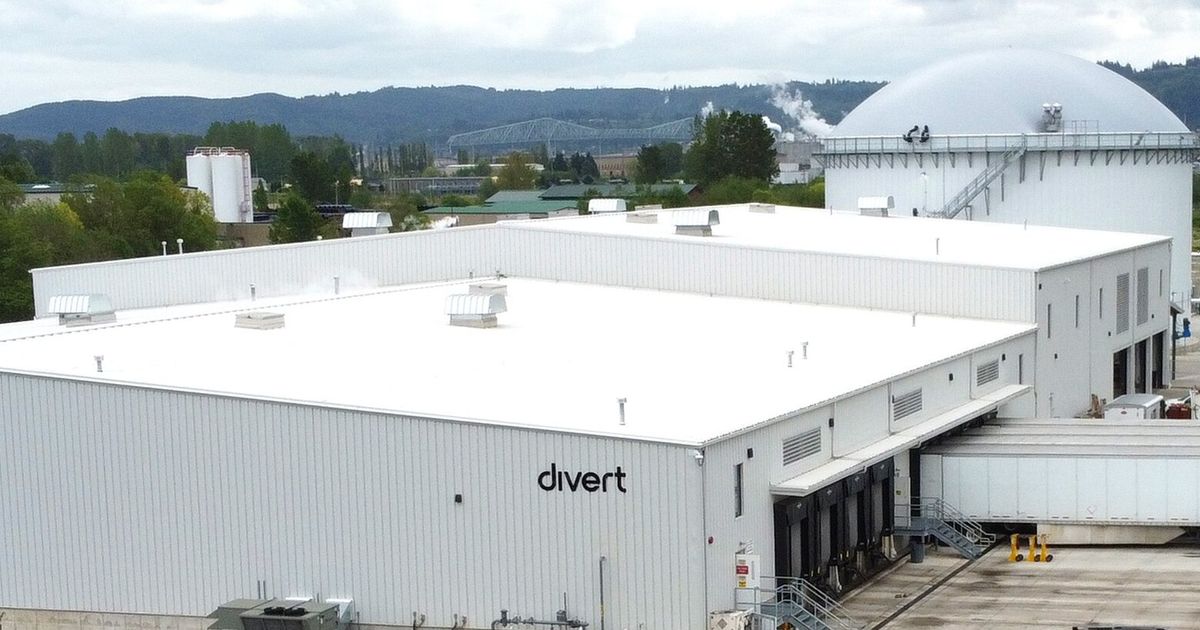
The recently completed Divert Inc. facility in Longview is an example of what our local workers can do. This $100 million, 66,000-square-foot depackaging and anaerobic digestion plant — designed to convert up to 100,000 tons of unsold food products into renewable natural gas and organic fertilizer annually — represents the cutting edge of the Pacific Northwest’s green economy. Building a first-of-its-kind, carbon-negative energy and agricultural product plant requires far more than basic construction. It demands complicated engineering, intricate piping and advanced environmental tech integration. The Longview/Kelso Building and Construction Trades Council ensured that local, family-wage union jobs remained at the forefront of the build. That workforce successfully guided this project through complex environmental regulations, proving that Washington can deliver on major manufacturing and climate technology investments.
So although there is a lot of media focus on billionaires leaving the state for Florida, Divert stands as a reminder that we can still build things here. Our future can be pioneering the clean-energy infrastructure that sets the standard for the country. But this is only possible if we’re willing to embrace innovation, push back against those who are invested in maintaining the status quo and focus on making sure our highly skilled workers have job opportunities in their communities. Otherwise, Washington risks losing the essential asset that is its well-trained workforce to other states more willing to embrace a clean energy future.
