

In the way back past of the 2010s, school districts were forced to confront an ugly fact: Some children had personal computers to work on at home, as well as tablets, portable hot spots and any other device needed to keep them abreast of an unfolding revolution in technology.
Meanwhile, other students had none of those advantages.
This troubling reality, dubbed “the digital divide,” powered a juggernaut of spending on tech hardware, pushing districts like Seattle Public Schools to issue shiny new laptops to every child, ensuring that all had access, whatever their means. COVID-19, which brought a river of government money aimed at keeping kids connected to learning while at home, only supercharged the trend. Noble intentions, all.
But when students returned to in-person classes five years ago, there was little attention directed toward reevaluating just how much technology kids really need for learning, and at what ages.
So, it is a welcome change to see Seattle Public Schools finally putting the brakes on, with stringent new rules around tech in class.
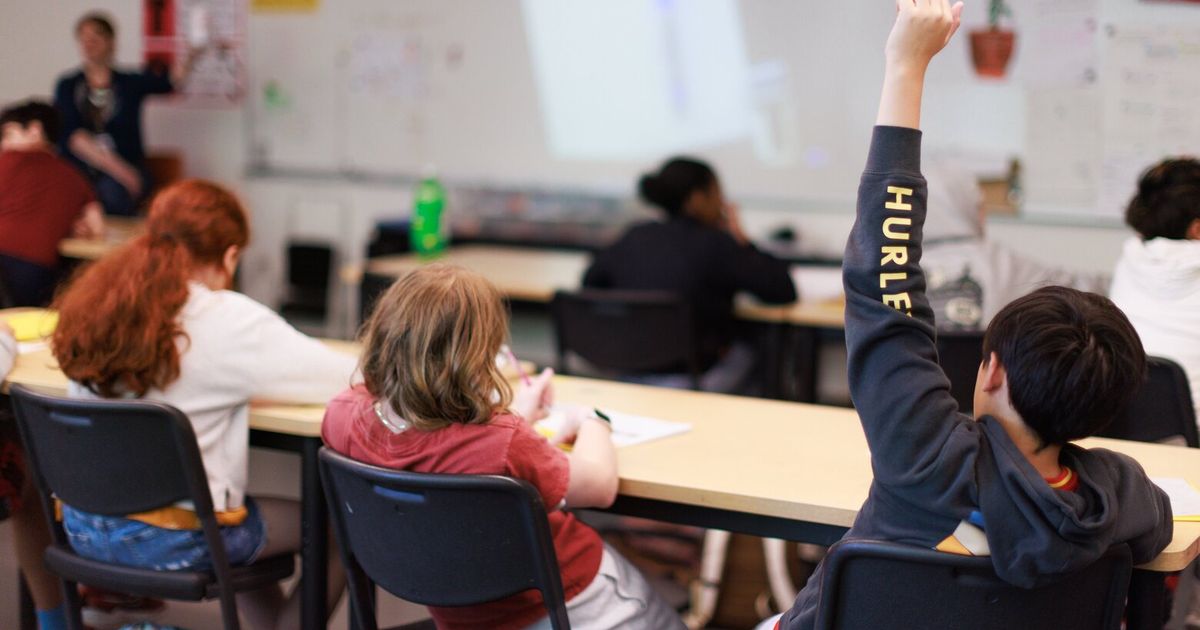
Children in kindergarten, first and second grades will now spend no more than 30 minutes a day on devices. Third-, fourth- and fifth-graders will get an hour of daily laptop use, max. And SPS is blocking YouTube, the AI platform Gemini and the game Minecraft for all grades through high school (except for one class offered online, where a teacher convinced district officials that the world-building game is useful for certain students).
The drivers behind these decisions are two: First, concerned parents, who repeatedly pointed out that kids were watching entertainment videos, playing computer games and using AI to do their thinking for them during school time.
“We have more regulations on opening a sandwich shop and providing deli meats than we do on large language models interacting in our classrooms,” said Danica Noble, a parent who spoke at a rally outside district headquarters last week, urging more stringent attention to the use of tech in schools. An attorney who appears to have won a state House seat in the 32nd Legislative District, Noble campaigned on the need for much tougher guardrails around AI in education.
The second factor behind SPS’s move was Superintendent Ben Shuldiner’s eye-opening experience during his first few months on the job. In hundreds of classrooms, he saw kids using laptops for gaming, or as a reward for good behavior — nothing explicitly focused on learning.
“It was absolutely in my face, the overreliance on technology,” Shuldiner said. “It was not thoughtful, not intentional.”
The resulting change is an example of the good that comes from taking the community seriously and acting, rather than just talking. So, huzzah to SPS for forward momentum on confronting an insidious problem with far-reaching effects.
If only it had happened sooner.
