

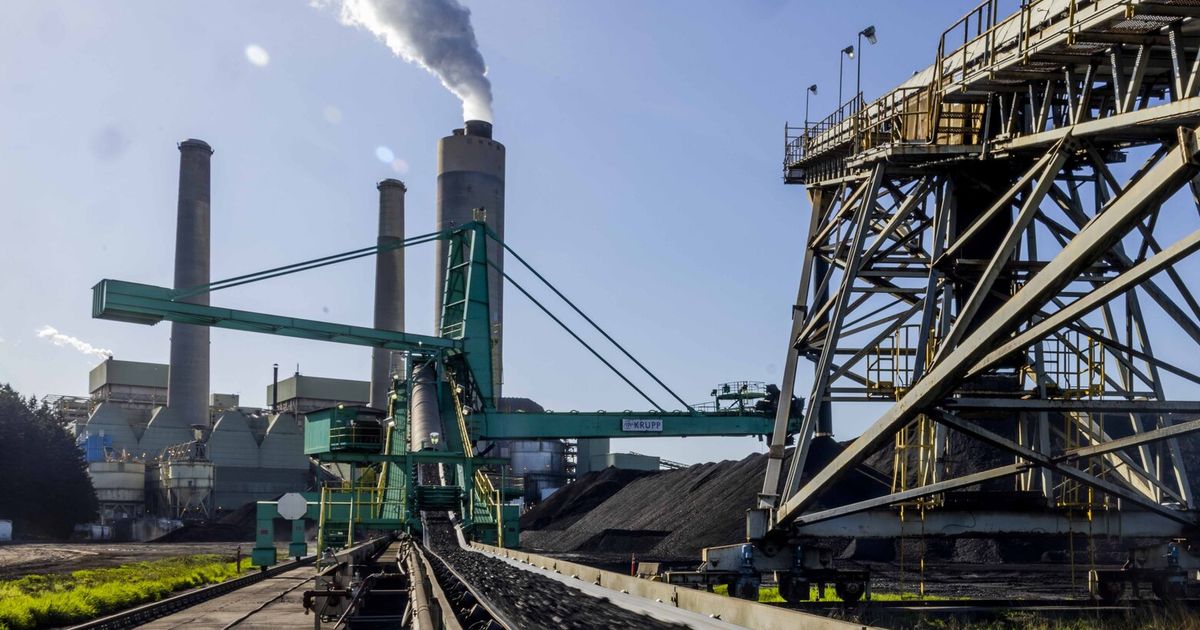
Washington is facing a growing shortage of dependable electricity. Yet environmental groups and staff at the state’s utility commission want regulators to reject a proposal to convert Centralia’s idled coal plant to natural gas. They say cheaper, cleaner alternatives are available.
But what are they? And can they keep our homes warm during a prolonged winter cold snap?
TransAlta plans to convert the plant to supply Puget Sound Energy beginning in 2028. The deal would provide about 700 megawatts of capacity from a site that already has transmission lines, land and other infrastructure that can take years to develop elsewhere.
Wind, solar, batteries and conservation are all part of the solution. But producing inexpensive electricity on a typical day is very different from keeping the power on through five days of freezing weather.
During a severe cold snap, electricity demand surges while wind output can drop and short winter days limit solar production. Combine that with a low hydropower year, and you have a recipe for a major electricity shortage. Batteries can help, but they need electricity to recharge, and neighboring states may have little power to spare.
An April study by energy consulting firm E3 identified prolonged winter cold snaps during low water years as the Northwest’s greatest reliability challenge. Its analysis included new natural gas generation among the resources needed to maintain reliable service.
Electricity shortages don’t just threaten to turn out the lights. They also drive up costs. When supplies are tight, wholesale prices can soar as utilities compete for scarce power. Those costs eventually show up in customers’ bills. And when there simply isn’t enough electricity available at any price, homes, schools and businesses face outages.
In a July 27 Seattle Times guest opinion, (“Here’s the elephant in the room when it comes to energy reliability,“) KC Golden, one of Washington’s representatives on the Northwest Power and Conservation Council, described the region’s electricity grid as having “manageable, moderate risks.”
Golden wasn’t alone in his confidence. In September comments to the council, the NW Energy Coalition wrote that “in a time when the headlines say the sky is falling,” it had “great confidence” in the council’s draft power plan.
The council, the four-state agency responsible for regional power planning, recommended 2,100 megawatts of additional natural gas generation in its draft Ninth Power Plan. My organization, the Northwest Public Power Association, warned that its reliability conclusions were more reassuring than its analysis justified, given warnings from regional grid operators and reliability monitors.
Then the picture changed.
At an Oct. 23 Council Power Committee meeting, staff disclosed that the Council’s hydropower model had overestimated water flows at Grand Coulee Dam by roughly 40%. Staff indicated that correcting the error would likely reveal a need for thousands of additional megawatts of generation. The council is preparing a revised draft.
Golden’s assurances rested on a planning analysis that we now know substantially overstated the region’s hydropower supplies.
The full impact remains to be seen. But if correcting the error reveals a need for thousands of additional megawatts, perhaps those “sky is falling” headlines weren’t so alarmist after all.
And that makes the decision about Centralia all the more consequential.
Ironically, in 2011, as described in the Washington Department of Ecology’s own words, “The Governor, TransAlta, environmental groups, and the local community worked together to transition from coal to natural gas.” The legislation even provided expedited permitting and exemptions from state carbon mitigation requirements for new natural gas generation intended to replace the coal plant.
Nobody should approve Centralia’s conversion without examining its costs, environmental impacts and benefits to customers. That includes the value of having dependable generation available when electricity is scarce and market prices are soaring. They should compare what the alternatives cost and whether they can deliver power during a prolonged winter emergency.
Washington’s clean energy goals matter. But so does keeping the heat on during a January cold snap, and so does keeping electricity bills affordable.
Before regulators turn down Centralia, customers deserve an answer: What is the cheaper, cleaner option that can reliably take its place?
