

Recently, I asked artificial intelligence to edit a 25,000-word story that took me almost a year to write. It read the whole thing in less than three seconds. I felt a pang of inferiority as I watched the words generate themselves one after another. I was devastated — it felt like AI had just dismissed the project I had worked on for so long.
In 2025, artificial intelligence is all I’ve been thinking about as a 15-year-old high school sophomore who dreams of becoming a journalist. A sophomore who is scared that no matter which career she might pick, AI could do it better.
Researchers who build “artificial general intelligence” aren’t always thinking about the problems that AI creates, but my generation is — because we’ll be inheriting those problems. The kids who played Minecraft or scrolled on Instagram this morning will one day face an issue that is much bigger than us.
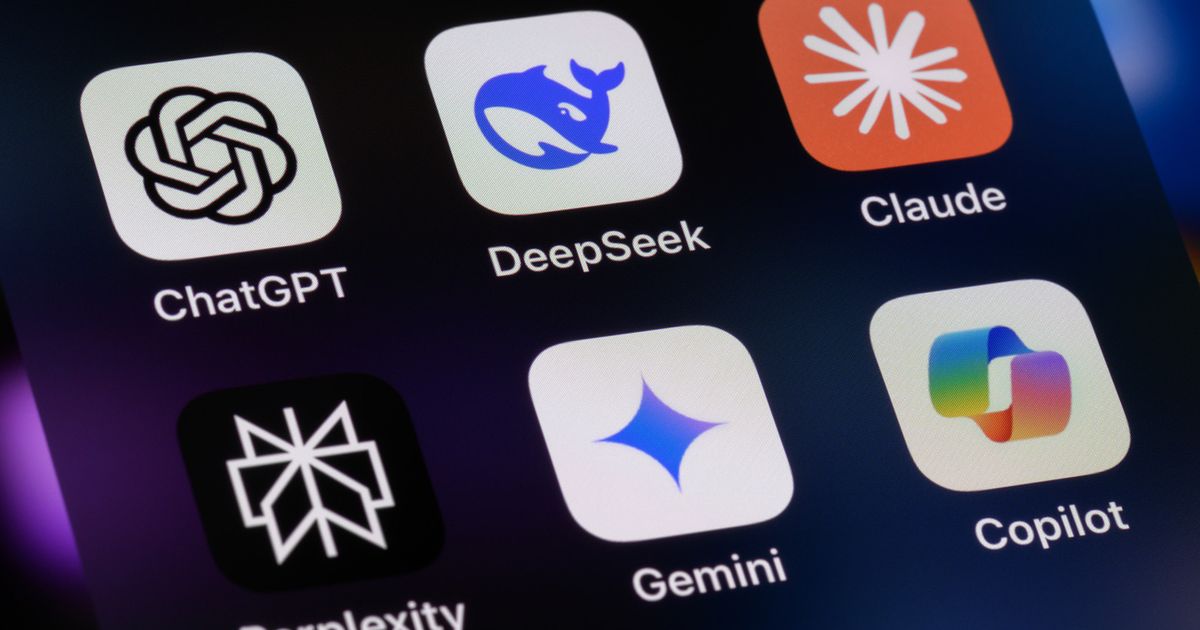
ChatGPT, Gemini and Anthropic’s Claude know practically everything on the internet, more facts than any human will ever know. However, AI hasn’t reached the pivotal point where it’s capable of original thought. It doesn’t yet possess the imagination that I want to use as a future writer and thinker. But we’re really close.
It’s scary to see the potential impact of AI on journalism. I’d love to be an editor, but AI can already edit better than I can. I’m interested in podcasting, but Google recently released NotebookLM, which can make a realistic podcast about any topic. I like planning my life out in a bullet journal, but AI can generate a perfect schedule with tips to get things done. Even reporting feels like a dead end; while AI can’t go out into the field and report on a live news story, it can write the article if you feed it the information. So, will there be any journalism job for me that can’t be done by a computer?
Like any high schooler, I reflect on the meaning of life a lot. According to a Pew Research Center study on what makes life meaningful, careers “are one of the top three sources of meaning.” AI will change the work force as we know it, and that means it will change our fulfillment, too.
The risk applies to our hobbies as well. I speak French and Mandarin because I love languages. Are they even worth learning if AI can translate conversations in real time? I de-stress by drawing architecture, but AI can already generate something much more elaborate. My generation is known as the one with the highest depression rates, and it will only get worse if we no longer find meaning in what we do. Why would we bother living if what we make is meaningless compared to the artificial version?
There is no easy answer. We need to innovate while retaining our independence as humans. The first step is for all of us is to take the problem seriously. Even some tech leaders have acknowledged the need to slow down. I’m begging AI researchers to think of my generation as they rush ahead. The battle of humans vs. computers is here, and it’s different — and scarier — than we could have ever imagined.
It’s amazing that an AI was able to read my story so fast. We’ve come so far, so quickly. However, I don’t think I’m ready to feel my heart drop as a computer outdoes me again and again.
Progress shouldn’t mean losing ourselves. It should mean building a world where humans can thrive and find meaning even as AI improves. At least for now, AI can only regurgitate what it learns from us. But each individual has a creative spark that can’t be found in training data. If we forget that spark, AI will not remember it for us.
