

In the slow, laborious process of determining Seattle’s growth for the next 20 years, Wednesday’s City Council vote is a moment to watch.
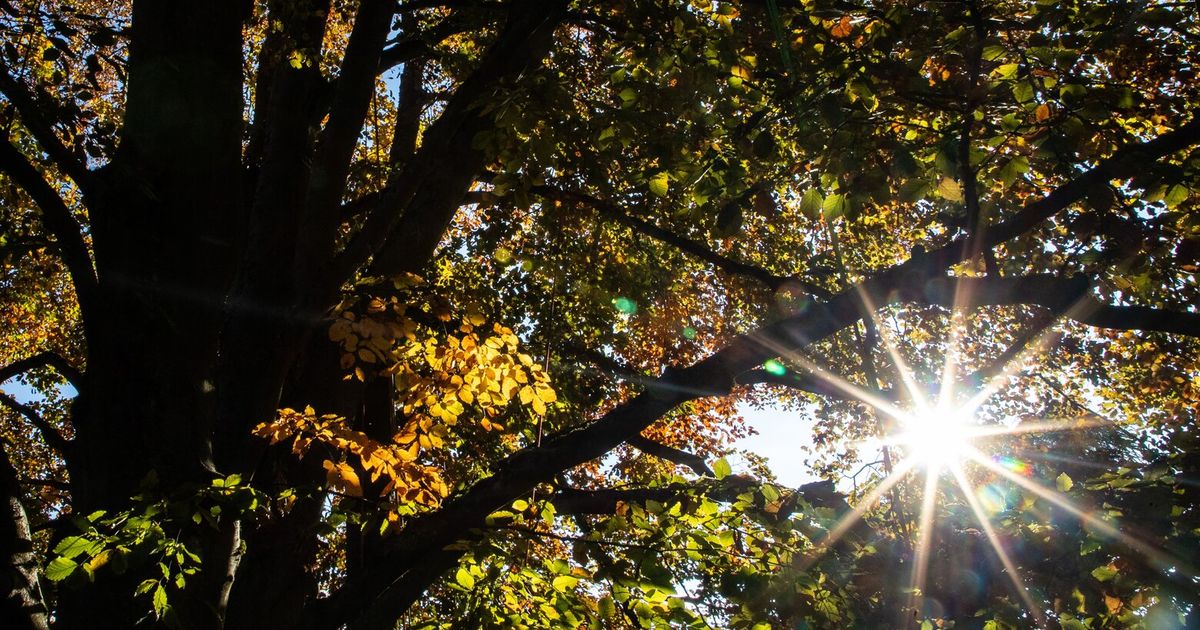
The Select Committee on the Comprehensive Plan will decide if trees in residential neighborhoods stand a chance.
State law mandates at least four housing units on all residential lots — six if the property is near transit or at least two are affordable.
Up for a vote is CB 120969 — interim legislation to implement the state’s so-called “middle housing” rules.
Final comprehensive plan legislation is expected later this summer.
Under 120969, setbacks (required space between the edge of a building and the property line) will shrink from 20 feet in front and 25 feet in back to only 10 feet in front and 10 feet in back — or zero distance if there is an alley.
The impact: Big trees will come down for development and be replaced with whatever species can fit in a cramped space. More concrete, less green.
Seattle Parks Foundation, Birds Connect Seattle, Duwamish River Community Coalition and more than 70 others signed a letter urging the council to maintain the city’s current standards while more detailed legislation is considered in the final comprehensive plan package.
“Though this is interim legislation, we believe that the impact, for however long it is in place, will be detrimental to the tree canopy of our city and therefore a danger to our public health, our community well-being, and our climate resilience as a region,” stated the letter by Tree Equity Network. The organization was convened by Seattle Parks Foundation to address gaps in funding and coordination around tree canopy projects.
There is no way Seattle can meet its goals of 30% tree canopy without trees on private property — parks and sidewalk strips are not enough.
“We are not a housing or trees organization, we are a housing and trees organization,” Rebecca Bear, president and CEO of Seattle Parks Foundation, told the editorial board.
“We really want to make sure there’s smart, well designed, high-quality policies that ensure both.”
When community groups gather to speak with one voice, the council ought to listen. Setbacks are only part of the discussion — there are creative and site-specific ways to ensure dedicated tree retention and planting areas — but without them, the conversation is moot.
Councilmember Joy Hollingsworth, chair of the Select Committee on the Comprehensive Plan, was right to call for regulation to “support the retention of existing trees during development” in the permanent legislation.
To make that possible, interim land use code ought to give some room for trees to grow.
If you would like to share your thoughts, please submit a Letter to the Editor of no more than 200 words to be considered for publication in our Opinion section. Send to: letters@seattletimes.com
