

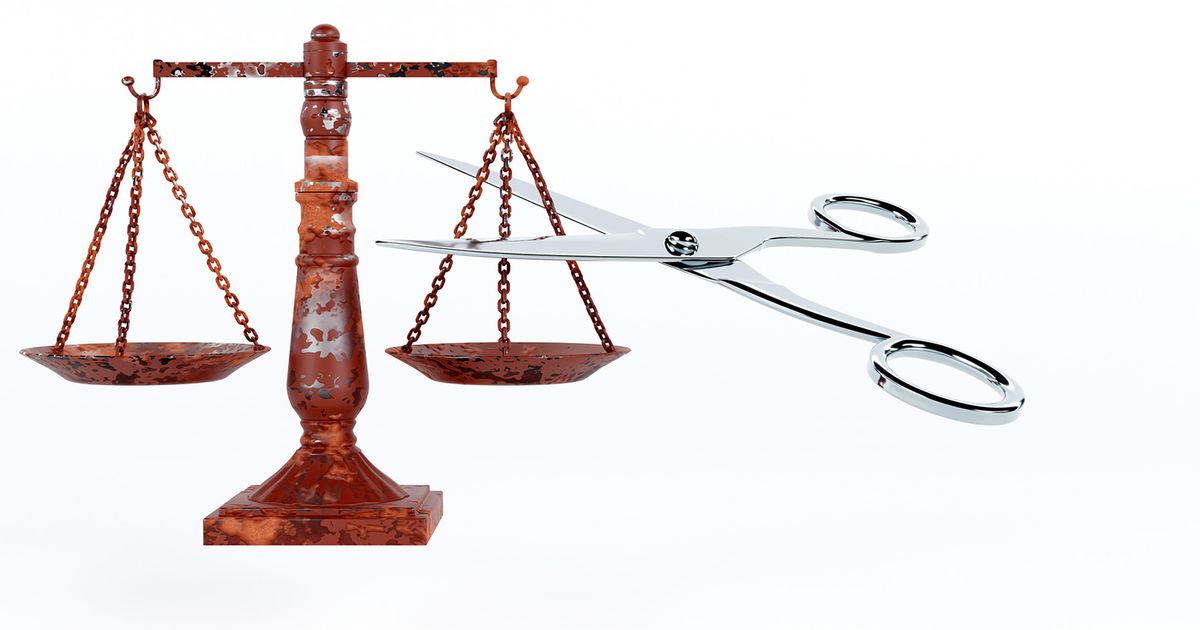
A proposal in Congress to defund the Legal Services Corporation in the 2026 appropriations bill is a threat to justice. It means silencing the voices of seniors, veterans, working families and others, and stripping legal-aid organizations of the resources they need to stand up for those with nowhere else to turn.
In Arlington, a 42-unit apartment building for seniors was going to be sold and lose its affordable housing status. Lawyers with Northwest Justice Project stepped in to protect elderly residents. The new owners wanted to remove the building from a government program that capped rent increases. NJP legal advocates were able to negotiate an agreement that locked in current tenants’ rents and kept future rents affordable for 20 years, helping prevent homelessness among vulnerable seniors.
Without LSC funding, these seniors may have had nowhere to turn but the street.
The corporation distributes federal funding to civil legal aid programs in every U.S. state, territory and the District of Columbia. In Washington, NJP is the sole recipient of LSC money, which currently makes up about 18% of its funding — and without it, thousands of people across every congressional district would lose access to essential legal services each year. If Congress does not preserve LSC’s funding, NJP — and 129 similar programs nationwide — will lose key resources that build bridges to justice in our communities.
Civil legal problems can be devastating — domestic violence, eviction, fraud, predatory debt collections, lack of access to medical care, loss of income. No-cost civil legal services are essential for families in legal crisis who cannot afford a lawyer.
In another recent case, NJP ensured that a woman, then in her early 20s, successfully filed for a Domestic Violence Protection Order against an ex-boyfriend whose repeated abuse escalated into sexual assault. In one incident, he nearly killed her, and she woke up in the hospital. After recovering, she attempted on her own to file for a PO, but it was dismissed due to miscommunication. Scared and vulnerable, it was then that she reached out to NJP for legal help. Her NJP attorney was soon guiding her through filing a new petition despite her ex-boyfriend’s legal contest. The attorney’s crucial support included preparation for the final hearing and for attacks on her character. The judge granted the woman a one-year protection order that can be extended. As she reflected: “I finally feel safe to move on with my life.”
Last year, attorneys at NJP helped more than 30,000 clients and their families and served a million more through its digital legal library and self-help platform, Washington Law Help (washingtonlawhelp.org/).
LSC’s funding is essential because it provides flexible operating support that allows NJP to respond in real time to community needs, whether a wave of home foreclosures or a sudden spike in veterans benefit denials.
Legal aid programs across the country have relied on federal funding for half a century, with LSC often making up more than half of their funding. Eliminating LSC would destabilize a vital network of legal aid organizations dedicated to ensuring equal access to justice, regardless of income.
For fiscal year 2025, LSC received a congressional appropriation of $560 million. This accounts for 0.035% of the domestic budget yet makes a huge impact on the well-being of working Americans. It is an investment in justice for all. These are our federal tax dollars coming back to serve our community and support a healthy economy.
According to LSC research, legal aid returns $7 for every $1 invested, on average. By solving or preventing legal problems, programs like Northwest Justice Project help reduce strain on law enforcement and courts, while also preventing costly public spending on emergency medical care and shelters.
If Congress eliminates LSC funding, fewer seniors, veterans and families facing eviction will receive the legal help they desperately need. The bottom line is this: We cannot afford to lose the Legal Services Corporation.
