

From the pillow that determines whether a night is restful or not, to the mug that keeps the coffee from burning your hands, the streets and transit systems that get you to work, and the city you inhabit—everything is design. And no one understands that more than the Cooper Hewitt.
As the only American museum devoted exclusively to historical and contemporary design, the Cooper Hewitt, Smithsonian Design Museum has collected more than 200,000 designs spanning from physical objects and prototypes to digital technologies and even a computer virus. However, relatively few of these objects are on public view at any given moment.
When the museum has exhibited objects from its collection it’s usually been to support special exhibitions or in limited thematic presentations. But, thanks to three years worth of efforts, the museum opened the doors to its first extended permanent collection exhibition: Design Across Time, which will be on view for at least two years.
“If you can’t see what the permanent collection of a museum is, you wonder what the museum is about,” Maria Nicanor, director of the museum, tells Fast Company. “This is a great introduction for people to understand that the country has a national collection and that it has all of these stories here—and then some.”
Peering into the archives
Cooper Hewitt is not the only institution reevaluating how to make its collections more accessible to the public, since many artifacts are on view only during show. For reference, experts estimate that around 95% of collections from museums are hidden and not available to the public, which has led to some museums opening up their collections entirely. Notably, the V&A Storehouse now allows individuals to book appointments to access its collection and view artifacts in storage.
But, while bringing accessibility to the collection is still top of mind for Cooper Hewitt, its approach has been a more complex and curated undertaking.
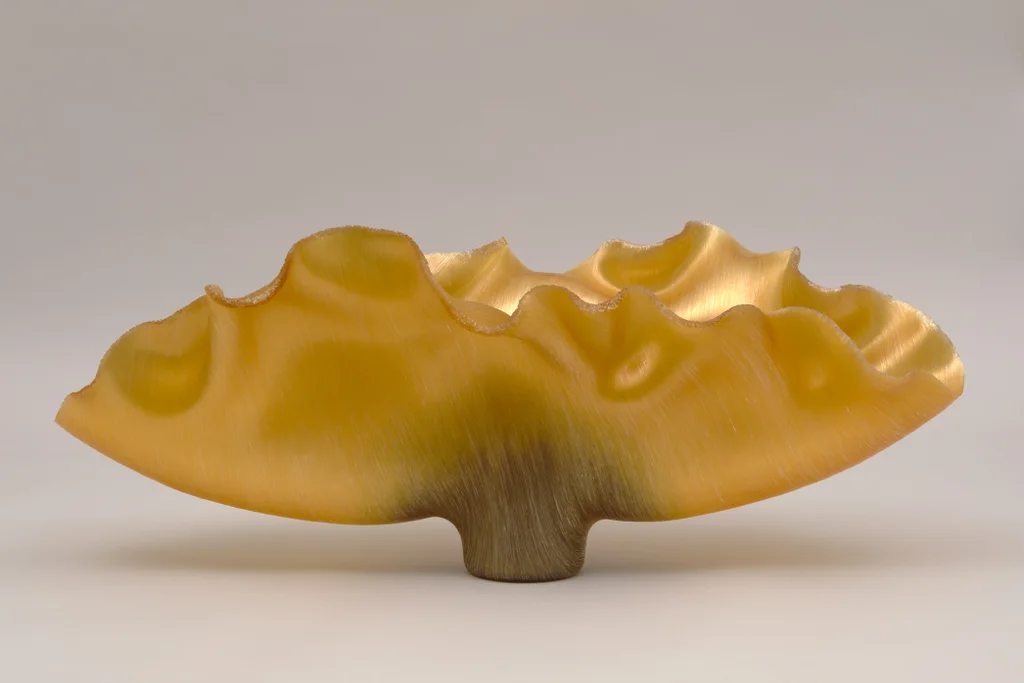
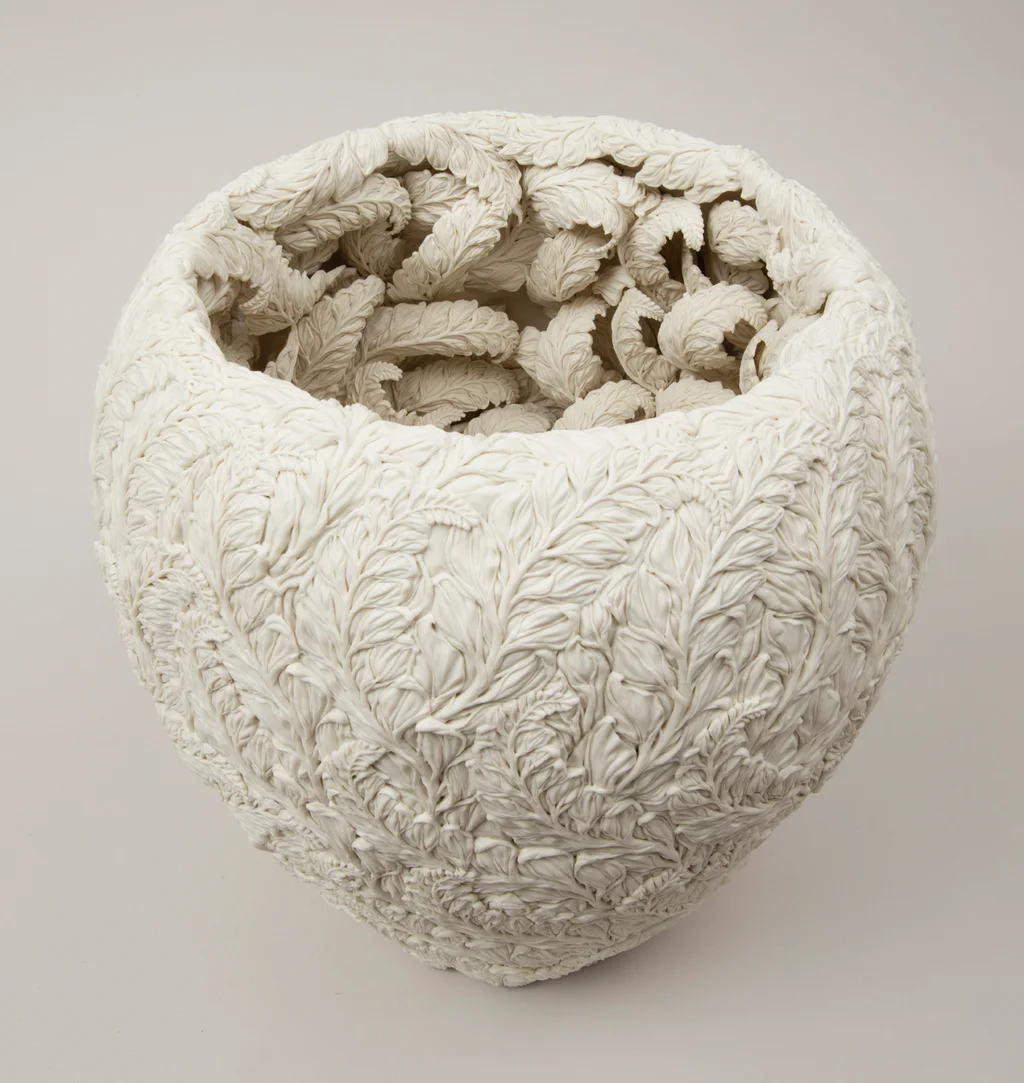
It took a team of around 10 curators and several partners to parse through the hundreds of thousands of items in the museum’s collection, narrowing down the collection to 125 items across multiple design disciplines. Some objects—like a recently acquired Toots Zynsky vessel—are on view for the first time.
“Everybody brought printouts of favorite things in their collection, perhaps things that have never been on view, a mix of recent acquisitions as well as old favorites,” says Julie Pastor, a curatorial assistant. “We tried to come up with a mix of things that felt familiar, but maybe things that felt surprising.”
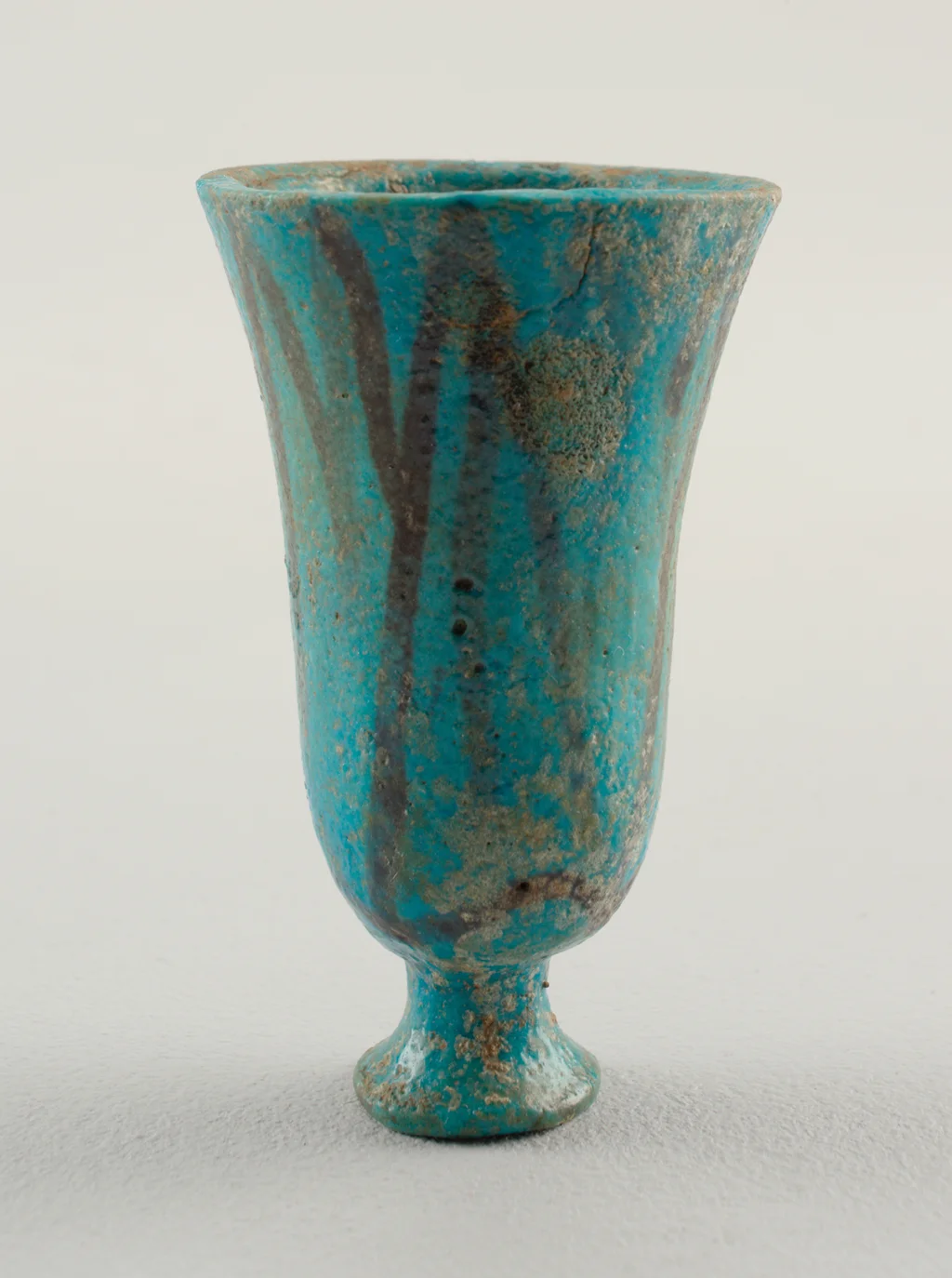
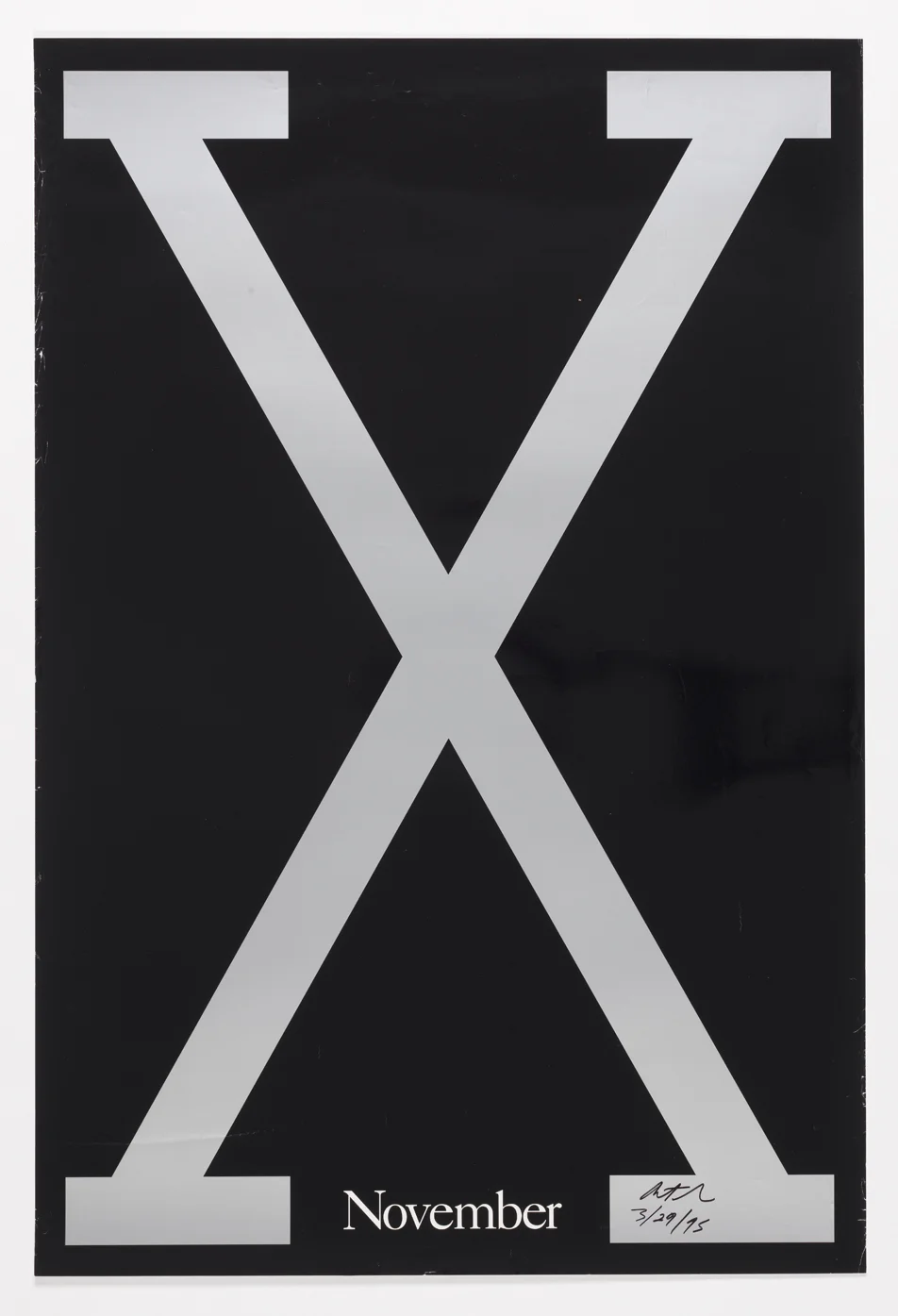
Occupying the entire ground floor of the Carnegie mansion, the exhibition includes objects as old as ancient Egypt, like the Lotus-shaped cup from 1100 BC, or as new as the 2020s, like an interactive news story about the death toll of COVID-19 by The New York Times.
The objects are set up across axis vitrines across the first-floor galleries, with the exhibition design by the London-based architecture firm JA Projects helping the objects coexist with the surrounding Gilded Age architecture and decor. The exhibition is grounded with contemporary design from the creative agency Pacific, which came up with a graphic system that renders objects to silhouettes to help condense the visuals into one graphic language.
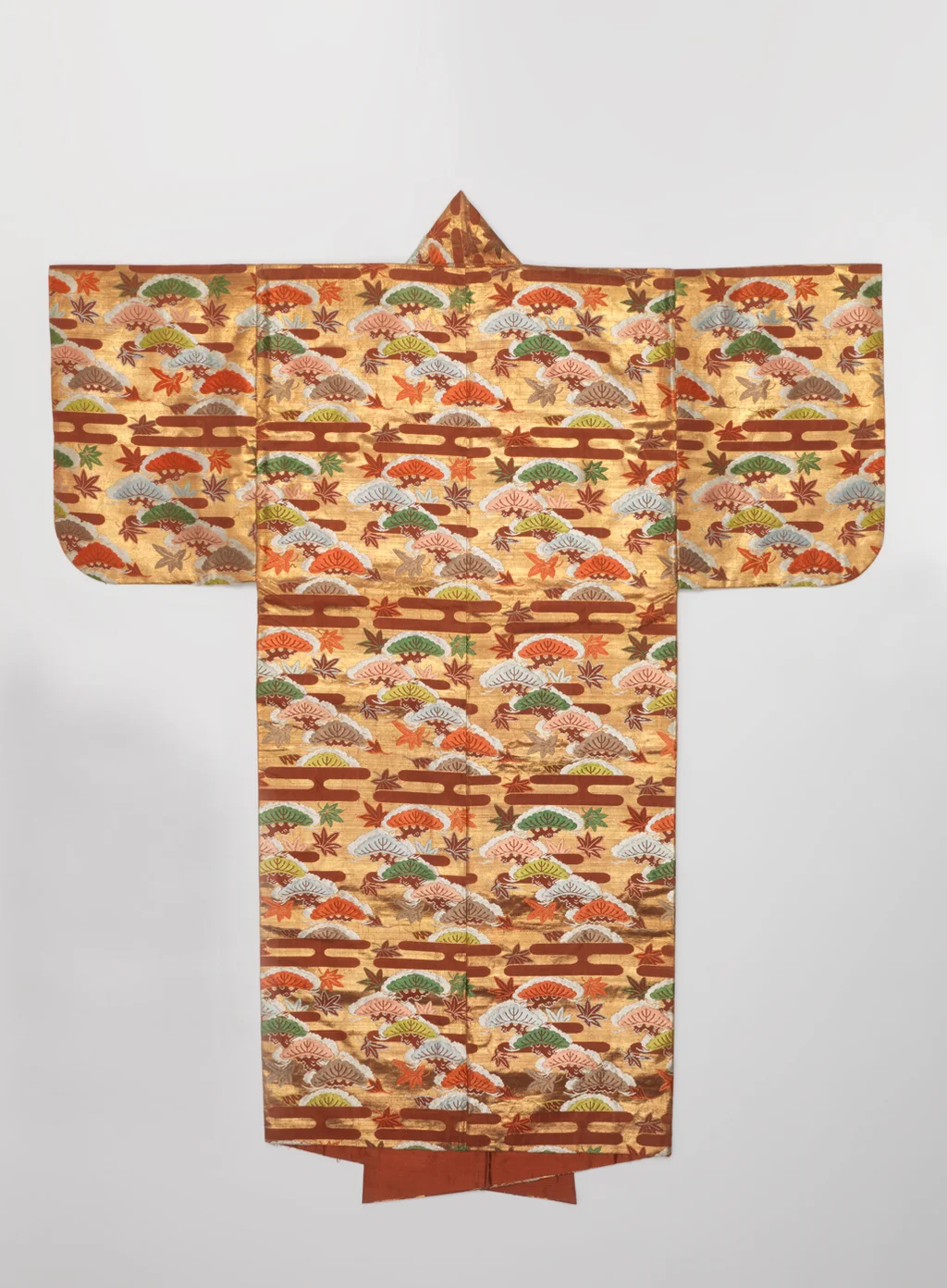
Rather than presenting the collection chronographically, curators opted to group objects into six themes instead. There is Repeat, which explores modularity and the use of standardized repeated for both scaling or aesthetic purposes; Transform, which highlights innovation, new applications, and unexpected materials; and Show Off, which celebrates craftsmanship and the lure of excess while questioning consumption. Set right across is Simplify, contrasting with the extravagance of Show Off and instead offering objects that distill designs to their essential elements. The other two themes celebrate the process of arriving at a design: Tweak, which explores iterative changes through prototypes, sketches and models; and Play, which highlights designs that invite user interaction. Together, the pieces weave a tapestry using threads of both history and modernity.
“We are walking around with 125 objects right now, but we’re walking around with thousands of ideas, and we choose to attach them to objects because we love objects,” says Nicanor, the museum director. “But we love ideas even more. These are just conversation starters, as are the themes, to talk about this much larger global conversations.”
Meeting the moment
From one gallery to another, each piece serves as its own story in dialogue with the rest, many of which reflect a reaction to a time of crisis.
For instance, many serve as creative records of events. From the Transform section, Oil and Water Do Not Mix, a framed screen-printed poster by Anthony Burrill and Tom Gale, is a reaction to the 2010 Deepwater Horizon oil spill. Contaminated sand mixed with an extender base comprises its shimmering ink.
“It’s all about how you look at the object and what story you choose to pick, because all of these objects have many stories in them,” Nicanor says. “We could look and talk about the beauty of this particular print and focus on it aesthetically, but there are so many more layers to it.”
A similar approach can be seen right across the room with Rare Earthware, a pair of vessels made from mud polluted with radioactive materials used in the supply chain of electronics. Made by Unknown Fields and also a part of the Transform theme, the piece features two vases, each reflecting the amount of toxic waste produced to create a phone (smaller vase) and a laptop (larger vase).
But beyond the stories each piece might tell, the exhibition manages to achieve something even more challenging: broadening the definition of design to more than just tangible objects.
“We also have things that speak to architecture, cities, and even older, more historical objects in our collection,” says Pastor, the curatorial assistant. “And that’s such an important way to think and work with design: something that we all experience every day, whether we are conscious of it or not.”
A civic purpose
Widening the definition of design helps recenter its importance on daily life, from spotting bad designs to calling for improvements.
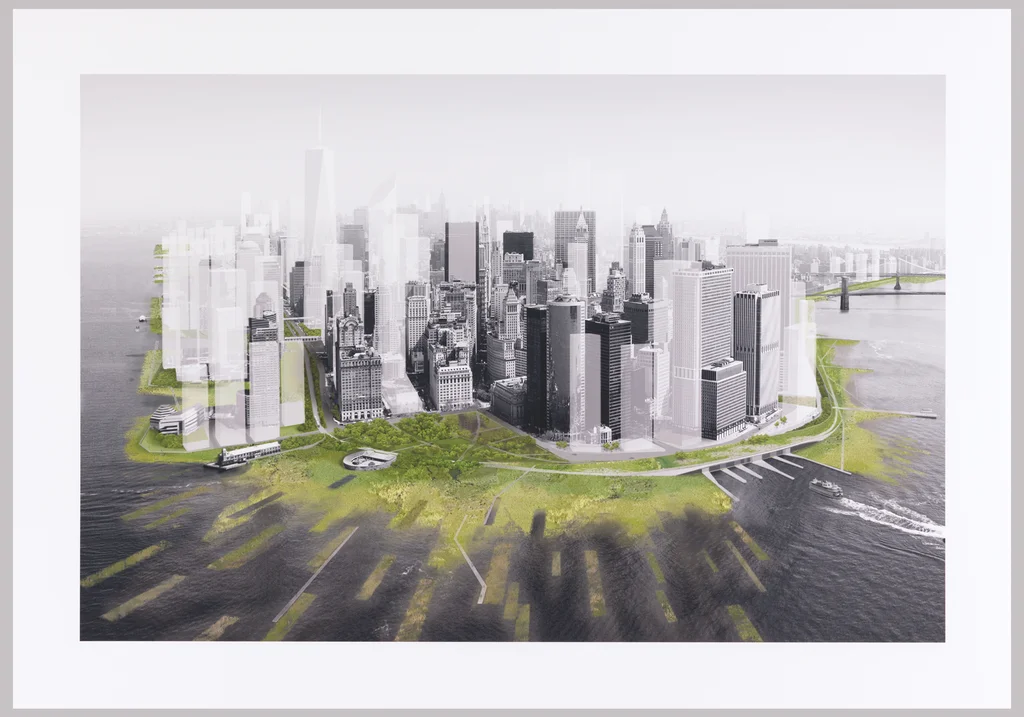
For example, there’s New Urban Ground by Susannah Churchill Drake and ARO, which depicts a 2009 proposal for NYC’s Lower Manhattan waterfront that aimed to increase the city’s resilience even before the devastating Hurricane Sandy of 2012. The ideas in this piece remain relevant for urban issues today.
“In the end, if you know where your things come from and you know who made it and why and what their purpose was, then you’re charged with information,” Nicanor says. “You become a better citizen if you have knowledge. Design is not neutral. It’s also not a luxury. It should be your right to have good design in your life.”
