

Wind. Solar. New transmission. Battery storage. Washington needs all of it to free us from fossil fuels. If you believe that, as I do, what is playing out across this state should stop you cold. Energy developers, many backed by private equity, are running the old fossil fuel playbook — and it is costing clean energy the allies it needs most: communities like mine.
The playbook is simple: furtively plan for years, keep the public in the dark as you sign the land deals, secure the tax incentives — then belatedly bring the affected community in when it is a done deal. Push back, and you’re a NIMBY. The technology is new. The tactics are not.
We’ve seen this before. In 2019, Tacoma residents packed a hearing on Puget Sound Energy’s proposed liquefied natural gas plant on the Tideflats. The tank was already standing, and preliminary approval had been granted five weeks before the public hearing. Unsurprisingly, the plant opened.
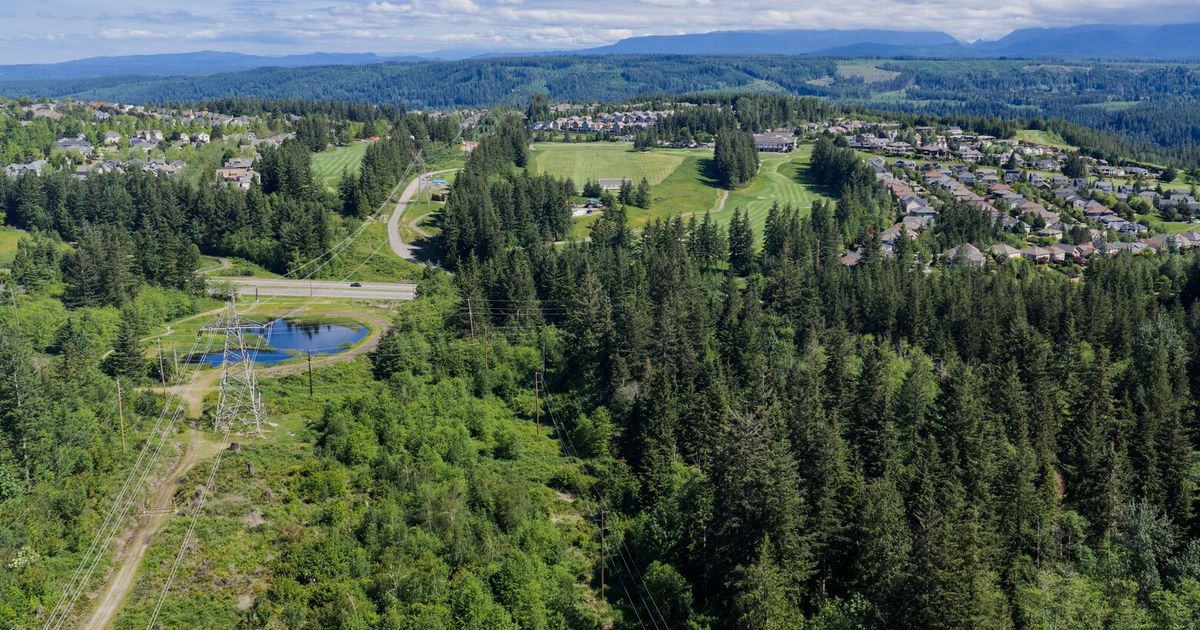
In March, the same meeting came to Snoqualmie, where residents filed into a developer’s open house on a battery storage facility proposed just outside city limits. The site posed major concerns for Snoqualmie: It’s inside our urban growth area, and next to or very near homes, schools and streams. Guess what? The land deals were already locked up, the tolling agreement with PSE already signed, the website already live. The message was unmistakable: This project is happening, whether you like it or not.
From fossil fuels to green energy, we’re seeing the same tricks. But isn’t this transition supposed to be better than what it replaces? In Washington, that’s not just some idealistic goal. The Clean Energy Transformation Act requires utilities to file public participation plans and convene advisory groups before locking in how they’ll meet clean energy targets. These obligations ring hollow if the developers building the projects owe communities nothing.
In 2024, King County passed an ordinance allowing battery storage on nearly 97% of unincorporated land. Many of these unincorporated areas directly border residential neighborhoods that could face significant health and safety impacts by close siting of industrial infrastructure.
By the time residents get their brief written comment window, the question of whether a project belongs, for example, next to their children’s school, has been predetermined by a permissive ordinance. That hierarchy is completely upside-down. Public process exists precisely to protect against development that is hard to reverse and dangerous to get wrong. These battery farms certainly fit the bill — so where’s the protection?
The fossil fuel playbook’s second page is fear. Ask hard questions, and the answer is threats of brownouts and blackouts unless this project is built on this site, on this schedule. The grid strain being invoked is a real concern. Its biggest new driver is data centers — demand that could add two to four Seattles’ worth of load across the Northwest by 2030 — but the question of who pays for that and how merits careful consideration. What it doesn’t merit? Prioritizing a developer’s profit and convenience by steamrolling communities who are asking for a transparent public process.
Cities have responded. All four in the Snoqualmie Valley — Snoqualmie, North Bend, Carnation, Duvall — have passed temporary moratoriums on utility-scale battery storage, joining a growing list across western Washington in trying to buy the time we need to get safety and environmental protections right.
We can build better. Requiring a public hearing for every utility-scale battery facility should be the bare minimum. Give cities a formal seat when a project lands adjacent to city limits or in urban growth areas. And zone for separation: Facilities of this scale belong in industrial areas, with significant setbacks from homes, schools and waterways.
None of this is radical. Many state and local governments now require community meetings before BESS applications can even be filed. Every community deserves to know their safety has been considered and prioritized.
Is community engagement messy? Absolutely. That’s what building infrastructure in a democracy looks like. The residents filling council chambers aren’t obstacles to the clean energy future — they’re the people it’s supposed to be for. If a project can only get built by keeping the public out of the room, it shouldn’t be built at all.
