

I visited Sonoma County California recently. Late July. The weather was moderate, but the earth was baked dry. Grass, downed branches, withered underbrush. They needed rain, and the smattering of drizzle that we got was not enough. The temperature dropped several degrees as I walked in the Sonoma hills’ redwood groves. Animals scurried. Bugs buzzed. I was treated to the wonder of a unique microclimate on the California coast.
The day I left was ignition day of the Woodside fire that would burn 152 acres along Highway 1. The area had been consumed by fire many times. Grass would grow back. But the redwood trees that grow in this area were also resilient.
What if we — the people of the Northwest — reimagined the concept of native trees? What if redwood trees, native before the scraping of the glaciers, were once again a critical part of our forests?
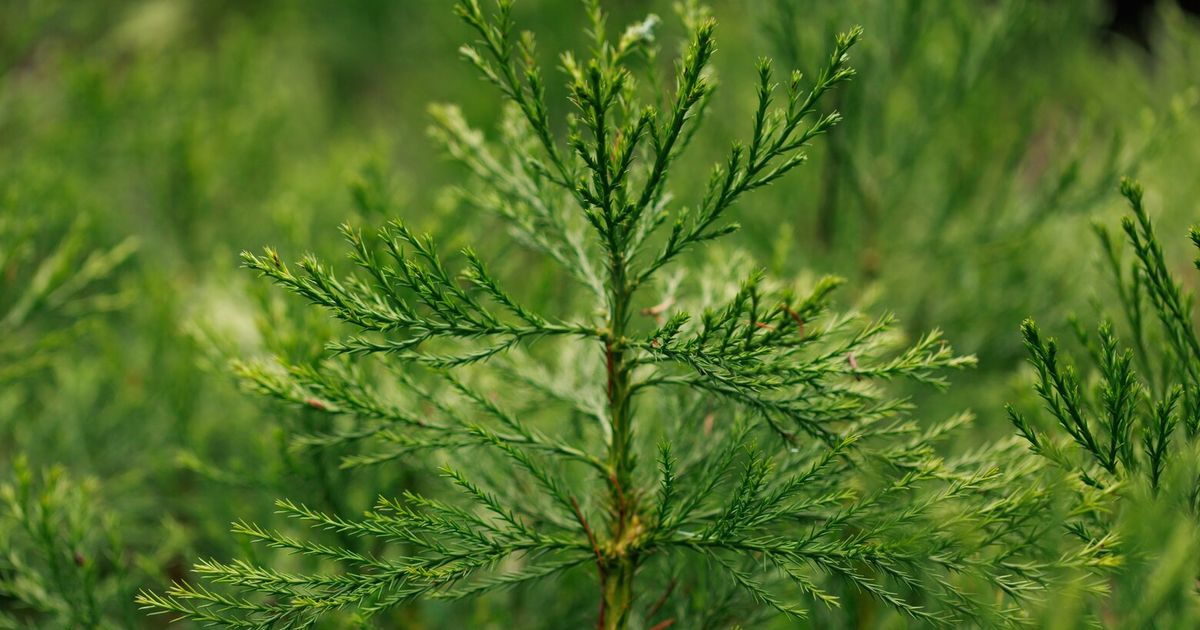
In California, I could see that many of the beautiful redwood trees (some I estimated to be over 200 feet tall) had grown up around burned stumps. Coast redwoods (Sequoia sempervirens) and their brothers, giant sequoias (Sequoiadendron giganteum), are fire-resistant. Even if a redwood burns, it will put out shoots that form around the burnt stump. These “fairy rings” (scientifically termed “basal vegetative sprout circles”) grow spontaneously from the roots around the stump of logged, diseased or burned old-growth trees. When the trees mature around a decayed stump, they are aptly called cathedral trees — stately, inviting reverence.
Redwoods are the tallest trees on earth. They can grow to 370 feet and live over 2,000 years. They love the coast with its foggy air but can (and do) live happily in Western Washington and Oregon. Their siblings, giant sequoias, prefer the dry summers, snow-packed winters and the well-drained soil inland.
When I go for a hike in the Cascades, I see the fab five: Douglas fir (accounting for 60% to 80% of standing conifer volume and forest land); Western redcedar; Western hemlock: Sitka spruce; and red alder. As the climate gets dryer and hotter, some of these trees are becoming distressed and subject to disease. Before people, before the timber industry championed Doug fir almost exclusively as the chosen timber crop, our forests were much more diverse.
We have come to believe that Douglas fir is the champion species, and, indeed, the timber industry in the Northwest has thrived. Timber is an important crop in our corner of the country. Douglas fir, to be sure. But redwoods ought to be considered suitable to harvest. Ask the many tree farmers who are exploring Sequoia sempervirens as crop additions. A mature commercial tree (80-100 years) can deliver 800 to 1,500 board feet or double that of a similar-age Douglas fir. Why not plant redwoods to enhance our commercial forest lands?
The abundance of undergrowth in a mixed forest attests to the benefit of diversity. Take a walk in the redwood forests of Northern California and you’ll never forget the sensation of entering a vibrating biome of dozens of plants, insect and animal species (both in the tree canopy and forest floor) that rely on the climate these giants provide for their sustenance.
Imagine the refreshing shade and sanctuary these trees can provide, whether in a whole forest, in smaller groves, or as important elements of intentional forests (forested land planted by design to encompass a variety of trees). Just as loggers harvested over 96% of the 2 million acres of old-growth redwood in California to support the post-Gold Rush building boom, we humans can be deliberate in supporting the health of our environment by encouraging canopy diversity. (Learn more at PropagationNation.us)
Take a walk underneath the redwoods and sequoias in Washington Park Arboretum here in Seattle, and you can witness the compatibility of Sequoia sempervirens to our climate.
As the world heats up, we humans need to adapt. The natural migration patterns of trees will evolve over time. Our climate and soil here in our region (and beyond, throughout the arboreal forest), is ideal for redwoods and sequoias.
Let’s encourage migration. Let us diversify. Let there be shade.
