
Close Menu
    National News Brief
    Sunday, May 31
    • Home
    • Business
    • Lifestyle
    • Science
    • Technology
    • International
    • Arts & Entertainment
    • Sports
    National News Brief
    Home » Earliest use of anaesthetics uncovered in Chinese doctor’s tomb

    Earliest use of anaesthetics uncovered in Chinese doctor’s tomb

    Team_NationalNewsBriefBy Team_NationalNewsBriefMay 31, 2026 Science No Comments3 Mins Read
    Share
    Facebook Twitter LinkedIn Pinterest Email


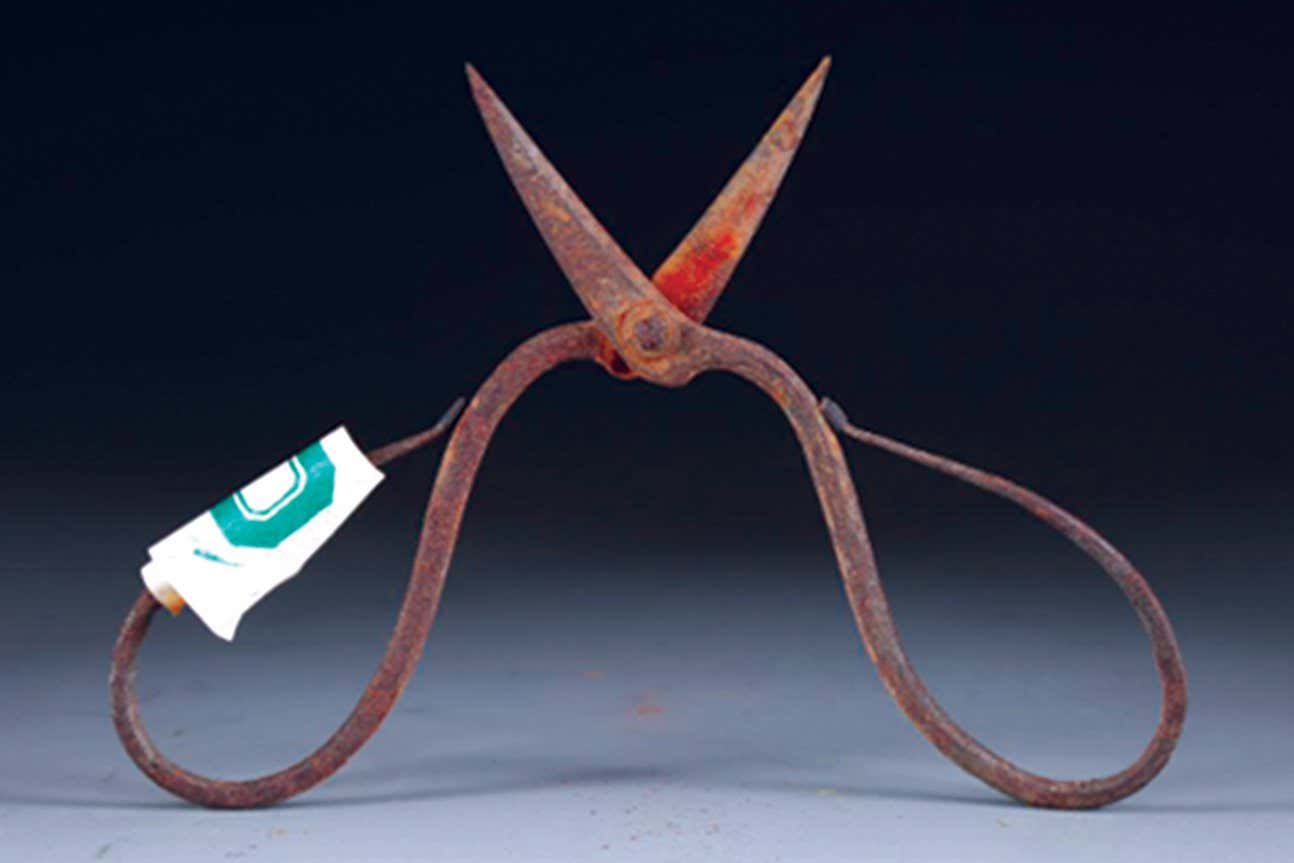
    Scissors and tweezers from the tomb of Xia Quan, with residues containing the anaesthetic aconitine

    Courtesy Xue Ling, et al

    Two medical instruments recovered from the 15th-century tomb of a Chinese surgeon carry traces of an anaesthetic compound, the earliest chemical evidence ever found of doctors attempting to reduce the pain of a medical procedure.

    The surgical scissors and tweezers were unearthed in 1974 from the tomb of a famous doctor named Xia Quan who lived from 1348 to 1411, in Jiangsu province.

    Congcang Zhao at Northwest University in Xi’an, China, and his colleagues used lasers to study the composition of residues on the instruments, revealing traces of aconitine. This compound is produced by plants of the Aconitum genus, commonly known as wolfsbane and monkshood. They are frequently listed as ingredients in ancient Chinese medicinal prescriptions.

    Aconitine interacts with sodium channels in the cell membranes of neurons. At the right dose, it has an anaesthetic effect, but it is highly toxic and is rarely used today due to the risks of poisoning.

    The residues are concentrated on the blades of the scissors and the tips of the tweezers, making it unlikely the presence of aconitine was due to contamination, the researchers say.

    Carney Matheson at Griffith University in Brisbane, Australia, who was not involved in the research, says there’s no doubt that this is the earliest direct evidence of the use of anaesthetics.

    The research suggests that early surgeons knew more about reducing pain than they have previously been given credit for, he says. “Now we can understand why this surgery may have been present or may have been so prolific and actually manageable in the past,” Matheson says.

    Historical texts indicate that Ming dynasty practitioners had developed methods to mitigate the toxicity of aconitine, such as “preparation with boys’ urine, soaking in a black soybean decoction, vinegar-boiling, detoxifying with mung beans and removing the outer skin of the aconite tuber”, Zhao and his colleagues write.

    Isolating the aconitine from such a toxic plant and then working out how to apply it without causing harm to the patient would have required a “tremendous amount of science”, says Matheson.

    “They have to be able to get it out of the plant without harming themselves,” he says. “Then they need to process it so it can be applied to whatever they’re going to need it for, without killing themselves or hurting people. Then they have to make sure that it actually works.”

    Topics:

    • medical drugs /
    • archaeology


    Source link

    Team_NationalNewsBrief
    • Website

    Keep Reading

    Q-Day could destroy bitcoin – and our retirement savings

    We may finally know why gold stays so shiny

    Photons behave very strangely if you try to cut them

    The best new science-fiction books of June 2026 include novels from Adrian Tchaikovsky and M. John Harrison

    Mirror life: Scientists clash over threat of lab-engineered bacteria

    Attack on Iran’s oil released as much pollution as a volcano

    Add A Comment

    Comments are closed.

    Editors Picks

    US targets diversity, equity, inclusion at United Nations

    February 14, 2025

    Why environmental resilience is the future of home design

    October 16, 2025

    Relief for patients leaving Gaza as Rafah opens, but thousands still wait | Israel-Palestine conflict News

    February 2, 2026

    McVay again shares regrets about Rams trading Goff to Lions

    May 20, 2026

    Opinion | How the American Right Learned to Love Psychedelics

    April 29, 2025
    Categories
    • Arts & Entertainment
    • Business
    • International
    • Latest News
    • Lifestyle
    • Opinions
    • Politics
    • Science
    • Sports
    • Technology
    • Top Stories
    • Trending News
    • World Economy
    About us

    Welcome to National News Brief, your one-stop destination for staying informed on the latest developments from around the globe. Our mission is to provide readers with up-to-the-minute coverage across a wide range of topics, ensuring you never miss out on the stories that matter most.

    At National News Brief, we cover World News, delivering accurate and insightful reports on global events and issues shaping the future. Our Tech News section keeps you informed about cutting-edge technologies, trends in AI, and innovations transforming industries. Stay ahead of the curve with updates on the World Economy, including financial markets, economic policies, and international trade.

    Editors Picks

    Taylor Swift’s Brutal Wedding Invite Snub To Karlie Kloss Revealed

    May 31, 2026

    Trump says Iran has agreed to no nuclear weapons

    May 31, 2026

    Israel issues more displacement orders in Lebanon, seizes strategic castle | Israel attacks Lebanon News

    May 31, 2026

    Chiefs could bring back Tyreek Hill under one condition

    May 31, 2026
    Categories
    • Arts & Entertainment
    • Business
    • International
    • Latest News
    • Lifestyle
    • Opinions
    • Politics
    • Science
    • Sports
    • Technology
    • Top Stories
    • Trending News
    • World Economy
    • Privacy Policy
    • Disclaimer
    • Terms and Conditions
    • About us
    • Contact us
    Copyright © 2024 Nationalnewsbrief.com All Rights Reserved.

    Type above and press Enter to search. Press Esc to cancel.