

Drive nearly anywhere in Seattle and you’ll see tents surrounded by debris, open drug use, and people hunched over on sidewalks or huddled in bus shelters.
Most of us agree it’s unacceptable for people to live and die in these conditions.
But the agreement usually ends there. Discussions about homelessness quickly turn to dead-end debates: who’s to blame, who deserves help and what we have to show for the money we’ve spent. Seattle has become a meme in the national political wars.
Everyone is frustrated. Seattle and King County have spent enormous sums, and homelessness remains widespread. Residents feel unsafe. In neighborhoods like the Chinatown International District, open drug markets and property crime have forced family businesses to close.
But the frustration doesn’t change a basic reality: There’s no quick or simple way to help people who have spent years living outside with severe mental illness, addiction, chronic illness, lack of family ties and long histories of trauma. Many unhoused people with addiction or mental illness have tried treatment — some more than a dozen times — but without stable housing, recovery rarely lasts.
A broad body of research shows that the most effective way to reduce chronic homelessness is long-term housing paired with intensive behavioral health and case-management services, an approach known as Housing First. Rebuilding a life takes years, not months. It’s hard, expensive and messy, but decades of evidence show it works.
Outrage over fiscal mismanagement at the King County Regional Homelessness Authority is valid. But that was a failure of governance; it shouldn’t be used as evidence that we don’t know what to do.
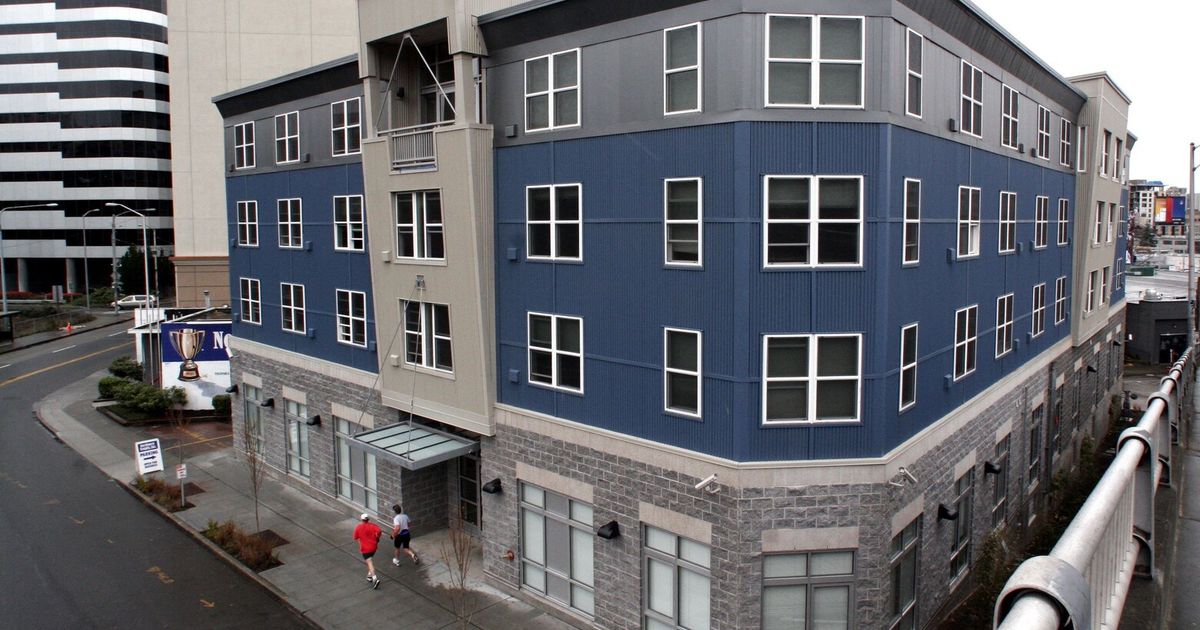
I’m on the board of the Downtown Emergency Service Center, one of Seattle’s largest providers of supportive housing. As an editorial writer at this newspaper in 2004, I wrote about a controversial new DESC project at 1811 Eastlake. The city identified people whose alcoholism had driven repeated use of emergency services and offered them apartments. A few years later, one tenant told me that having his own apartment allowed him to cut back on his drinking and imagine a future — for the first time in his life. Twenty years later, 1811 Eastlake is still saving lives, and a study in the Journal of the American Medical Association found it saves public money, too.
Some argue the answer to homelessness is to lock people up and force them into treatment. But jail doesn’t end homelessness, mental illness or addiction. Without housing and support services, people will just cycle back to the streets. And at $75,000 a year in Washington state, locking people up costs much more than supportive housing.
King County has about 16,000 people experiencing homelessness on a given night. Seattle has a dire shortage of affordable housing, and rents have been rising faster than wages for working households. Thousands more households are one emergency, illness or job loss away from losing housing. Despite persistent claims that Seattle’s homeless population largely comes from somewhere else, county data shows most unhoused people had their last stable housing here. Yet too often, the same communities that express frustration over the crisis organize against facilities that would address it.
Progress is easy to miss amid the images of street disorder. A new federal report shows a 3% national decline in homelessness last year. Seattle and King County have built thousands of units of permanent supportive housing over the past two decades, including more than 1,500 units operated by DESC alone. Since 2022, the Chief Seattle Club has opened five permanent supportive housing facilities for hundreds of Native Americans and Alaska Natives.
Housing First is not a cure-all, but it effectively ends homelessness for those who get it. Many residents are taking steps they never thought possible, like getting off of drugs or reconnecting with family. Seattle and King County are also building hundreds of tiny home villages as a step toward permanent housing. Overdose deaths are still much too high, but preliminary data suggests they are falling, and new treatments for opioid addiction are showing promise.
It’s easy to look at entrenched problems like homelessness with a sense of inevitability. But we’ve known what works for 20 years. The real question is whether we have the will to ignore the simple slogans and act at the scale this crisis demands.
