

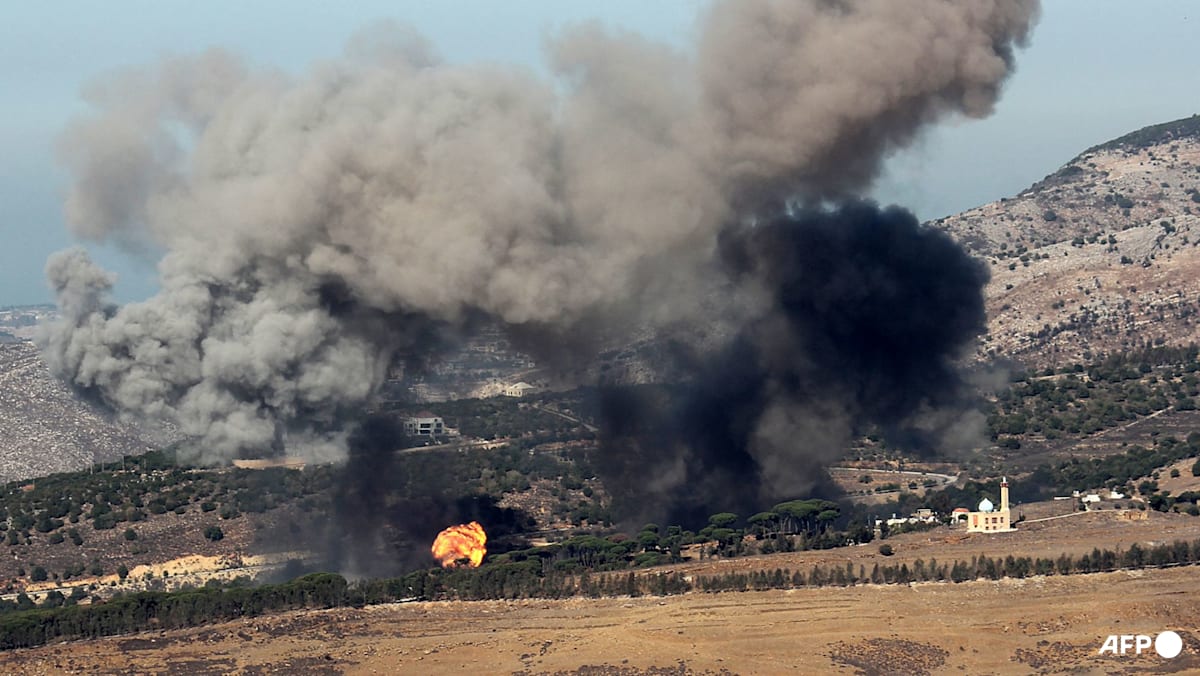
BLIDA, Lebanon: The Israeli military on Thursday (Oct 30) carried out a deadly raid in southern Lebanon, prompting Lebanese President Joseph Aoun to order the army to confront such incursions.
Israel’s military confirmed the raid, saying it was operating against Hezbollah infrastructure when its forces fired on a “suspect”.
Despite a November 2024 ceasefire with the Lebanese militant group, Israel maintains troops in five areas in southern Lebanon and has kept up regular air strikes.
Aoun instructed the military to “confront any Israeli incursion into liberated southern territory, in defence of Lebanese territory and the safety of citizens”, during a meeting with the army chief, according to a statement from the presidency.
Prime Minister Nawaf Salam condemned the incursion as “a flagrant aggression against Lebanese state institutions and sovereignty”.
Early in the day, Lebanon’s official National News Agency (NNA) reported Israeli troops “stormed the Blida municipality building, where employee Ibrahim Salameh was sleeping, and enemy soldiers proceeded to kill him”.
Lebanon’s health ministry confirmed the death.
An AFP journalist saw bullet holes in the walls and windows of the municipal building in Blida.
In the room where Salameh had been sleeping, the floor, blankets and mattress were stained with blood, with the victim’s glasses, papers and cigarettes scattered around.
Salameh had been sleeping in the building because he was on duty, said the mayor of Blida, where most houses were destroyed during last year’s war between Israel and Hezbollah.
Village residents cited by NNA said the raid lasted several hours and that Israeli forces withdrew at dawn.
The Israeli military said that during an operation to “dismantle Hezbollah terrorist infrastructure in the Blida area in southern Lebanon, the troops identified a suspect inside the structure”.
It added that “an immediate threat against the troops was identified, and they fired to remove it”, noting the “incident is under review”.
The military accused Hezbollah of having used the building “for terrorist activity under the guise of civilian infrastructure”.
