

Test scores across Washington show what families and teachers already know: Our students aren’t getting the emotional or academic support they need. Too many kids are struggling with reading, math, comprehension and retention at the same time that mental health is declining. In classrooms from Shoreline to Spokane, teachers are sounding the same alarm.
Meanwhile, across the country, states that have acted to limit smartphones in schools are seeing results. The single biggest step we can take for our students is giving them the chance to focus on learning, not their screens. We can’t keep asking teachers and principals to fight this battle phone by phone and classroom by classroom. This is a statewide challenge, and it requires a statewide solution. Washington’s students deserve lawmakers who follow the evidence and act.
As a mother of children in elementary, middle and high school, I’ve watched smartphones steadily reshape the school day. I see it at pickup and drop-off, hear it from teachers and feel it at home each night: Phones are fragmenting attention during the very hours when kids are supposed to be learning how to think, read and connect with one another. A kindergarten teacher told me that kids are having a hard time even watching a Disney movie because they can’t pay attention that long.
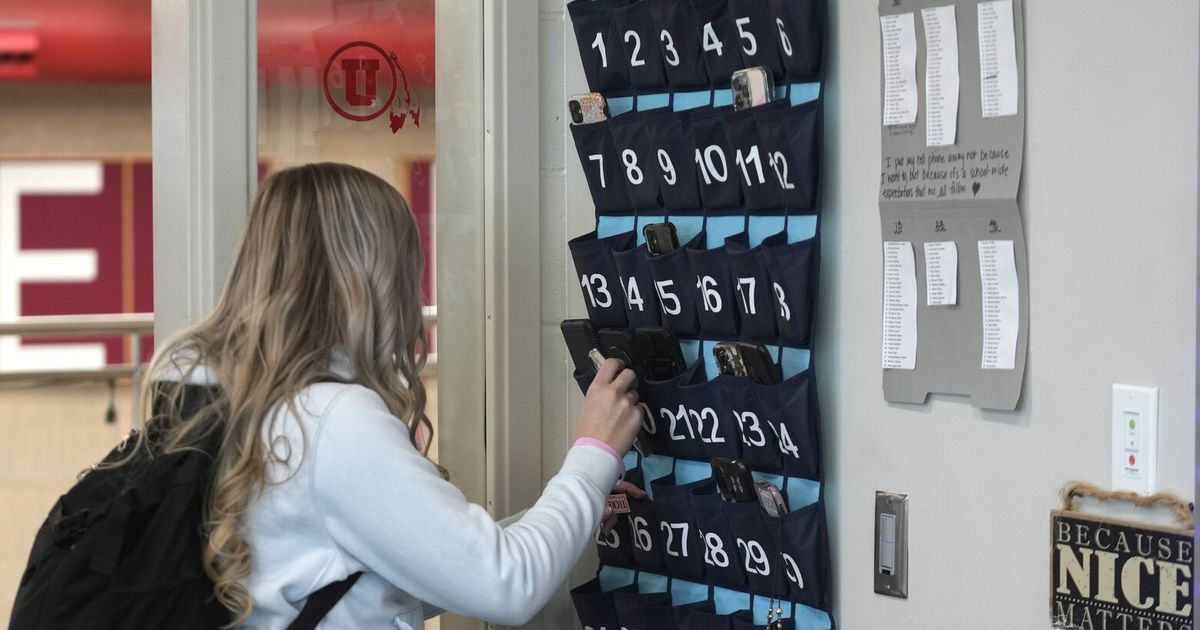
Washington is not alone in facing this challenge, but we are increasingly alone in failing to address it. Across the country, at least 35 states, red and blue alike, have adopted statewide policies that sharply limit student phone use during the school day. Washington remains without a clear standard, leaving districts, teachers and families to struggle with a collective action challenge that needs a collective action solution. We can change that this legislative session. A law isn’t required to allow districts to ban phones, but here in Washington, where there is no law, the Office of the Superintendent of Public Instruction reports that less than one-third of Washington’s public schools are totally phone-free, and only about half have some phone-free time during teaching.
Nearly all students who have smartphones use them during school, often multiple times an hour, and use phones for more than 90 minutes during school. For teens, that time is dominated by social media, video platforms and games. Smartphones are not just a nuisance; they are a direct threat to learning, attention, safety and youth mental health. More than 70% of teachers think smartphones are a major problem in the classroom. When bans are clear and consistent, both teachers and students report feeling more connected and engaged. Research links school-day phone presence to lower academic performance, especially for students who are already struggling, while well-designed bans produce modest but meaningful gains in test scores. In a moment when Washington’s students are hitting generational lows in writing and math, and about one-third of high school seniors nationwide lack even basic reading skills, any proven improvement should demand our attention.
At the same time, youth mental health indicators are flashing red. According to the Centers for Disease Control and Prevention, growing numbers of teens are depressed and too many are facing thoughts of suicide, particularly girls and LGBTQ+ youth. A growing body of solid research links heavy smartphone and social media use to higher risk of depression, anxiety, sleep deprivation and other health harms, especially when use begins early and is intense.
The Legislature should require phone-free schools statewide, with reasonable exceptions for emergencies, medical needs and formal accommodations, while allowing districts flexibility in how policies are implemented. Alternatively, Gov. Bob Ferguson could act through an executive order, as the governors of Virginia and Oregon have done. Our children should not have to wait another school year for adults to step up.
A phone ban is a rare policy that is popular, bipartisan and inexpensive, and has shown, at least where there are clear and consistent policies, to be effective in improving focus, engagement, well-being, and academic outcomes, with the greatest benefits for students who were already falling behind.
This is not about taking something away from students. It is about giving them back their time, their focus and the chance to learn without constant digital interruption. As a parent, I want Washington to meet this moment. Our kids deserve classrooms built for learning, not distraction. Smartphone-free schools are one of the surest ways to help them succeed.
