

Today, many Washingtonians will turn on the tap to brew a pot of coffee, trusting that clean, safe drinking water will flow. Yet many may be unaware that a looming federal policy change could have major consequences for the availability, quality and cost of the freshwater they rely on daily.
Just how did we get here? In August 2025, the U.S. Department of Agriculture officially launched a process to rescind the Roadless Area Conservation Rule. Implemented in 2001, the Rule designated special areas across nearly 60 million acres of forests within the National Forest System. These protections are designed to protect remaining natural forests, safeguard clean water, and keep wildlife safe by prohibiting new road construction and commercial logging while allowing activities to protect public safety, including tree thinning and building emergency access roads to reduce and fight wildfires.
To most Americans, these protections are common sense. The Rule reflects scientific evidence that extensive logging and road building contributed to widespread loss and fragmentation of habitat for wildlife and salmon, and degraded water quality for downstream communities. These protections are also economically pragmatic because, as of 2024, many of the over 370,000 miles of Forest Service roads (enough to circle the Earth nearly 15 times) need some level of repair; a cost estimated at over $6 billion. Building more roads would simply add to this already overwhelming fiscal burden.
The Roadless Rule was adopted 25 years ago in recognition of the diverse values of intact forested land — clean water, recreational opportunities, and protecting fish and wildlife. Until now. Today, the Trump administration is seeking to rescind these protections entirely, with a final decision due later this year.
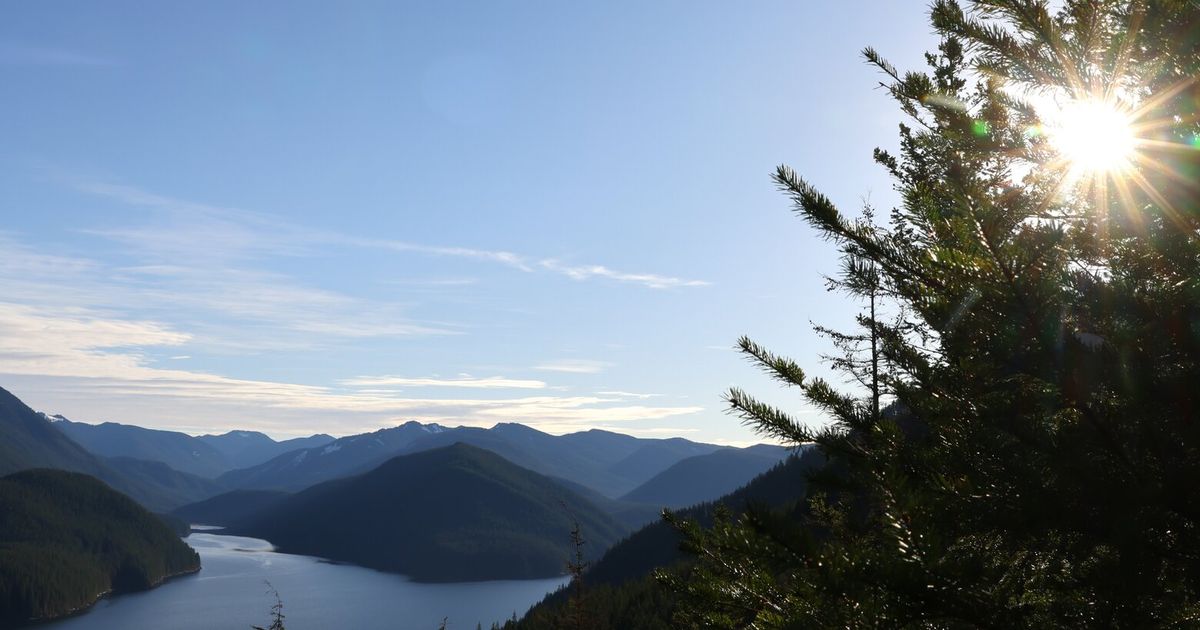
Just how important are roadless areas in national forests? To answer this question, we conducted the science and recently reported on the consequences of rescinding the Roadless Rule. The findings were concerning. We found that the Roadless Rule helps protect over 80,000 miles of river across the continental United States and that at least 25 million Americans source their drinking water from these rivers. The numbers are especially compelling here in Washington, where roadless areas protect over 3,600 miles of river flowing through healthy, intact forests. Over 450,000 Washingtonians, or nearly 6% of the state’s population, source their drinking water from these areas and enjoy the benefits of high-quality and reliable water that roadless areas provide, for free.
These public lands are also the backdrop for some of America’s most cherished outdoor experiences. They receive an estimated 164 million visits annually, generating recreation spending that sustains rural economies and local livelihoods. Our study found that areas with strong roadless protections tend to occur where hunting and fishing demand is highest. In fiscal year 2024 alone, the National Forest System contributed more than $47 billion to the U.S. economy.
Over a century of science has shown the impact of roads on a watershed, and the effects on those that rely on it for drinking water can be substantial. Roads fragment forests, reduce the soil’s ability to filter water, and increase erosion that delivers sediment into streams. The result is poorer water quality and, often, more expensive drinking water treatment. As wildfire smoke continues to blanket much of Washington, it is striking to note that wildfires are four times more likely to ignite near roads than in roadless forests, so rescinding the rule is likely to only increase future wildfire risk.
Intact forests are the most cost-effective form of water infrastructure we have. Seattle recognized this decades ago. In 1999, the city chose to invest heavily in protecting and restoring the Cedar River Watershed — an investment that helped preserve an unfiltered drinking water supply for more than 1.5 million people and avoided the need for far more expensive treatment infrastructure. Since adopting its Cedar River Watershed Habitat Conservation Plan, over 130 miles of legacy logging roads have been decommissioned.
With the Roadless Rule under threat, we stand at a fork in the road. One path prioritizes increasing access to timber and mining in our last intact forests; the other recognizes the long-term value of keeping these landscapes whole, protecting clean drinking water, wildlife habitat, recreation opportunities and climate resilience. Today, the roads we choose to build or not build will determine the legacy we leave for generations to come.
