

The state’s Department of Natural Resources has wisely flipped the switch to make public a network of mountain-mounted cameras across Washington. From Lyman Hill near Sedro-Woolley to Rattlesnake Summit near the Oregon and Idaho borders, residents can now view the footage collected by more than 20 live cameras, 24 hours a day, seven days a week.
This is a win for transparency that boosts situational awareness for all Washingtonians.
In an era when dangerous wildfires can quickly spiral out of control, any additional resource will help. Local fire crews are able to quickly assess conditions on the ground, as can anyone else with an internet connection.
The camera network, the result of increased wildfire funding approved by the Legislature in 2021, is operated by Pano AI. For about $1 million a year, the San Francisco startup alerts DNR when the 360-degree cameras spot a suspected fire. But there was no way for others to watch the livestream footage the company was collecting. When the editorial board called for the cameras to be made public in June, a DNR spokesman said a livestream from the cameras was not possible.
The company recently approached DNR with a public option, and “it was an easy yes,” State Forester George Geissler said in a news release.
You can watch the livestream at wadnr.wildfirewatch.com.
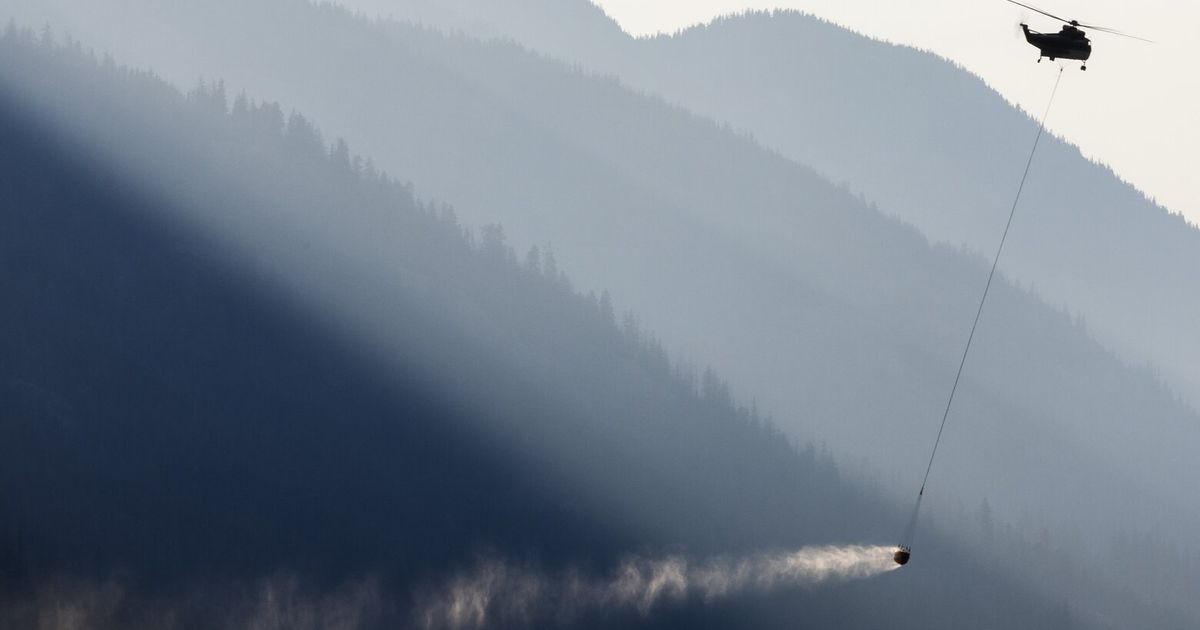
Wildfire danger is nearing its yearly peak. Near the Columbia River in Klickitat County, the Burdoin Fire has destroyed 14 homes, damaged 37 others and led to the evacuation of about 900 people. The more than 1,000-acre Bear Gulch fire, burning in the scar of a previous blaze, continues to crawl west into the Mount Skokomish Wilderness. Bringing online additional cameras can help protect forests and those living in and around them by providing an around-the-clock visual tool of real-time conditions.
A camera isn’t just key to stopping future fires but also to keep eyes on planned “prescribed” fire events to reduce forest fuels. More than a century of fire suppression has thwarted naturally occurring conflagrations from taming a buildup of brush, dead trees and other fuels in forests. The cameras can provide eyes on prescribed fires that have become increasingly necessary to reduce the risk of catastrophic forest blazes.
Making the camera feeds accessible to all will aid firefighters and emergency responders around the state and ultimately better equip communities to respond to the increasing threat of 21st-century wildfire.
