

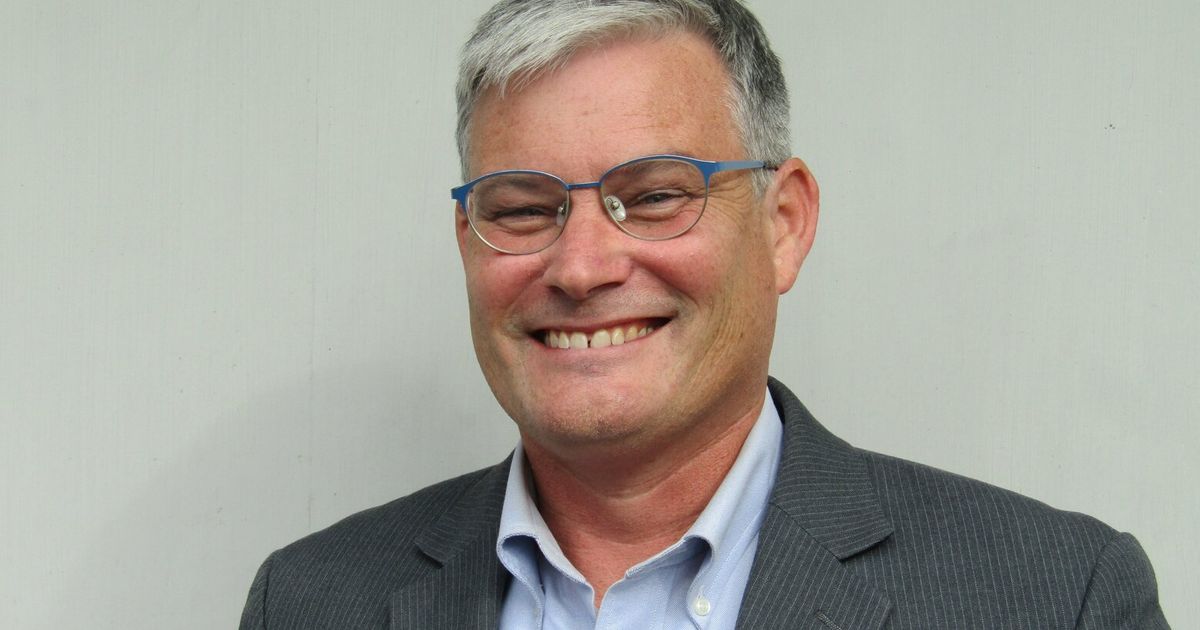
Voters in Washington’s 32nd Legislative District have so many interesting, credible candidates for state representative that they might wish they could combine them all into a single person.
One is an expert on technology and consumer protection who has worked at the federal level. Another is a long-serving mayor and city council member. The others include an engineer, a CPA and an attorney with experience in labor law.
In the end, however, representing the district’s 163,000 residents in north Seattle, Edmonds, Shoreline, Lynnwood and Mountlake Terrace comes down to a contest between the dazzle of the new and the comfort of the tried-and-true.
Candidate Danica Noble has spent 20 years as a lawyer with the Federal Trade Commission, going up against behemoths like Meta on topics as consequential as artificial intelligence. Her knowledge and experience would stand out in Olympia, particularly around the potential, and dangers, of rapidly evolving technologies.
Meanwhile, her neighbor Keith Scully has spent a decade representing voters in Shoreline as City Council member and mayor, where he’s managed to keep the social safety net intact in a burgeoning city, without blowing the budget. During his time in office, Shoreline has maintained a firm enough hold on its finances to avoid laying off a single city worker, Scully pointed out. That’s an impressive credential, especially in light of the fact that lawmakers in 2027 will confront a state budget billions of dollars in the red.
The four other candidates are Chris Bloomquist, a software engineer and entrepreneur; Will Chen, a first-generation immigrant and CPA; Jenna Nand, an attorney with expertise in business law, all of whom are Democrats. Lisa Rezac, who has campaigned for greater choice in education, is the only Republican in the race.
Each offered thoughtful answers to the challenges lawmakers will confront next year. The Times editorial board believes that Scully is the best choice for his steady experience in governing responsibly.
His résumé may not be as flashy as Noble’s, who has impressive knowledge on big-picture policy, as well as bona fides in education through four years of work with the Washington State PTA. But skills in advocacy are vastly different from those required to represent constituents through negotiation and compromise.
“With me,” said Scully, “you know what you get because I’ve been doing it for a decade.”
He is also unafraid to state, unequivocally, where he diverges from his longtime friend and mentor Rep. Cindy Ryu, who is giving up the seat she’s held for 15 years as District 32’s representative in the House to run for state Senate. That is particularly important when considering the question of government transparency: Ryu has been unapologetic about her penchant for shielding public records from voters, claiming she has the “legislative privilege” to do so. Scully rejects that outright.
And where Ryu floated the idea of using some money from the new millionaires tax to fund a tourism board, Scully is adamantly opposed to that style of spending.
“We need to go in a different direction,” he said. “We are literally taxing folks in their 80s and 90s out of their homes.”
Yet Scully remains frustrated by the version of an income tax that the Legislature ultimately passed, with too little relief for working people and too little funding for pressing needs, like K-12 education.
“It got spread like peanut butter,” he said of the $4 billion in anticipated new money, so that it arrives as just another “tax on top of other taxes.”
In a perfect world, Noble and Scully would live in different districts, so that voters could have the benefit of both. But Scully is the best choice to go the distance in tough economic times.
