

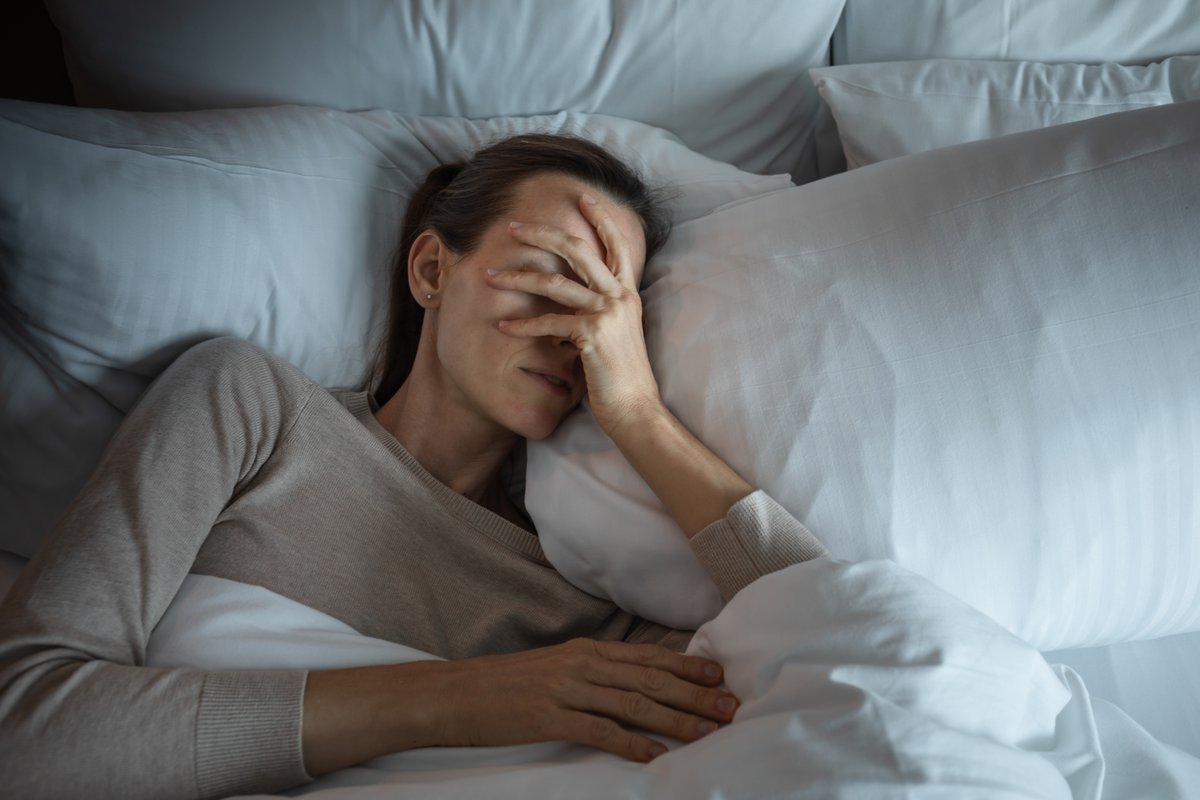
A lesser-known form of depression may be caused by disrupted sleep-wake cycles—and could be more likely to cause severe symptoms than other forms of the condition. Called circadian depression, it could indicate that our body clock—which is based on our exposure to light and dark and regulates cycles of wakefulness and sleep—may have a greater effect on our mental and physical health than we realized.
Sleep disturbances are common in depression, and night owls (who tend to get less sleep than early birds) are likely to have more and worse depressive symptoms. Understanding the link between sleep patterns and depression could help clinicians better diagnose and treat the condition, especially in people whose depression seems less responsive to conventional therapies.
“Diagnosing depression can be tricky,” says Amy Marschall, a clinical psychologist based in Sioux Falls, S.D. “Getting to what’s going on beneath the surface or what’s causing the [depression] matters.”
On supporting science journalism
If you’re enjoying this article, consider supporting our award-winning journalism by subscribing. By purchasing a subscription you are helping to ensure the future of impactful stories about the discoveries and ideas shaping our world today.
Our 24-hour circadian rhythm is primarily driven by light. Our eyes send signals to the brain’s master clock, which coordinates our body’s systems and processes, such as wakefulness, body temperature and energy metabolism. “Bright light throughout the day, but especially in the morning, helps stabilize and anchor the circadian rhythm, while light exposure at night can delay it,” explains Emiliana Tonini, a researcher studying circadian rhythms and mood disorders at the University of Sydney.
Low or irregular light during the day, or too much evening light, can weaken or shift circadian rhythms. Other factors, such as genetics, environment and physical health, can mess with our sleep cycles, too. That can cause the body to feel out of line with its environment or cause “different body rhythms [to] drift out of step with one another,” Tonini says. “Both may have a negative effect on health.”
In a recent study in the British Journal of Psychiatry, Tonini and her colleagues analyzed clinical and genetic data of 11,380 people with depression who participated in the Australian Genetics of Depression Study (AGDS). Almost a quarter met the proposed criteria for circadian depression. These participants experienced a combination of body clock disturbances that could include having irregular sleep-wake times, waking up tired, being a night owl or sleeping longer when they felt more depressed.
These individuals also showed more severe symptoms on average and greater genetic risk for other health problems, including other mental health conditions, as well as inflammatory, metabolic and cardiovascular issues. Another analysis of AGDS participants found that antidepressants worked less well for night owls, and they reported more side effects.
“Conventional antidepressants may not directly address these disturbances,” Tonini says. Treatments that target the body’s internal clock, such as melatonin or light therapy, may prove beneficial. “We do have effective treatments,” she says, “but currently, we are not really good at matching a patient to an effective treatment that will work for them on the first try.”
The researchers still aren’t sure whether these cases of depression are caused by, or simply associated with, problems with circadian rhythm. Tonini says they hope to test the link in more diverse populations in the future.
Marschall also notes that sleep-wake cycles vary naturally from person to person. “A lot of advice around sleep says humans are wired to be asleep from this time to this time, but some people have different natural rhythms,” she says.
Subscribe to Support Independent Journalism
Great science journalism requires human expertise, time, effort and creativity. And it costs money. That’s why I and the journalists here at Scientific American hope you’ll join our community.
When you subscribe, you are supporting staff and freelance journalists who are passionate about telling science stories that are true, important and compelling. Our editors and reporters are often experts in their fields, which means they understand the nuances of big discoveries and can untangle the breakthroughs from the hype. With a subscription, you are also supporting rigorous fact-checking to ensure the words we publish are precise and accurate. And you’re supporting original illustrations, graphics and photos that bring you closer to an advanced laboratory, an ice sheet in Antarctica or a space mission in orbit. You’re helping us craft other types of high-quality journalism as well: Our newsletters are carefully written, edited and curated by staffers you have or will come to know and love. Our Science Quickly podcast is based on original reporting, collaboration with editors and scientists and exacting production.
Subscriptions keep this engine running so we can continue to deliver thoughtful, rigorous and independent science journalism to you. In an era of viral misinformation, this work is crucial. If you value what we do, I hope you’ll consider joining us as a subscriber
