

For years, Alaska’s North Slope Iñupiat have endured a challenging relationship with the U.S. government and groups that have no connection to our lands and people, often characterized by efforts to speak for and make decisions affecting our homelands that do not reflect our Indigenous voices. That is why today, we speak for ourselves, especially when it comes to the federal actions affecting our North Slope homelands.
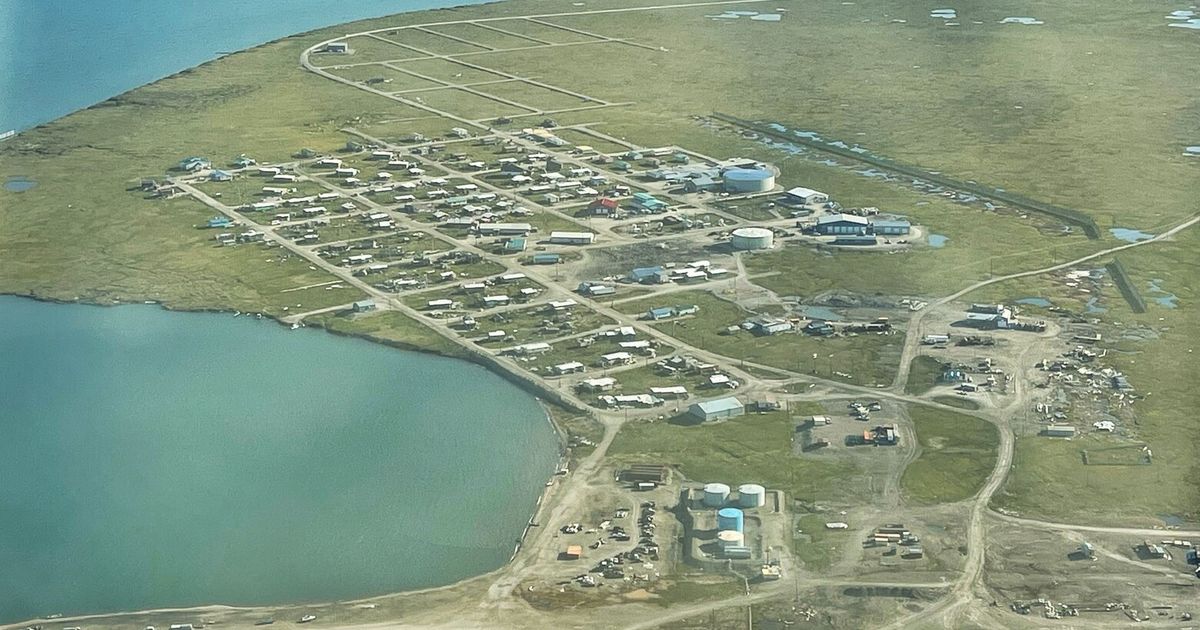
This is especially true for the Arctic National Wildlife Refuge. The people of Kaktovik — the Kaktovikmiut — live in the only community located within ANWR’s 19 million acres, specifically on its Coastal Plain. These are our Iñupiaq homelands, and we use them to sustain ourselves in every aspect of our lives. The Kaktovikmiut have stewarded these lands since time immemorial, and they are essential to the longevity of our community, economy and culture.
In policy discussions affecting ANWR, Kaktovik’s voice must be considered first, given our Indigenous ties to our land and its central importance to our lives. Yet, historically, this has been the exception, not the rule. Our community was not consulted during the passage of the Alaska National Interest Lands Conservation Act in 1980, which expanded ANWR to be what we know today, despite our obvious interest in and claims to its lands. Nobody considered our voices when the federal government forcibly relocated our community three times. Instead, we were treated as a mere inconvenience, not people.
This history is what makes today’s policy discussions painful for Kaktovik and other North Slope Iñupiat. We overwhelmingly support efforts by the federal government and Congress to advance our Iñupiaq self-determination by creating much-needed economic development opportunities on our homelands through responsible resource development. Yet, outside groups with no connection to our people or lands are doing everything they can to stymie this progress while co-opting our voices and claiming to act in our Indigenous interests.
This paternalism does nothing to help our communities. Instead, by avoiding meaningful engagement with communities like Kaktovik to understand the importance of development in our region, these outside individuals and organizations are imperiling our ability to steward our lands and, by extension, our Iñupiaq culture.
Economic development projects within our homelands are the foundation of our region’s economy, and taxation of their infrastructure — not output — accounts for more than 95% of the North Slope Borough’s tax revenues. These funds are reinvested into our communities in the form of essential infrastructure, like schools, hospitals, community recreation centers, and modern water and sewer systems. They also support organizations that monitor and preserve our subsistence resources, ensuring that future generations may continue the traditions that form the bedrock of our Indigenous identity.
The impact of these services has been profound. In 1969, our average life expectancy was just 34 years; today, we can expect to live to an average age of 77. This increase is the largest of its kind over this period in the United States.
That is why recent executive actions and the U.S. House of Representatives’ Committee on Natural Resources’ decision to advance budget reconciliation provisions that would restore our right to develop our lands give us hope. After decades of diligent advocacy by our regional leaders, we are beginning to see our voices reflected.
We know, however, that there is still more work to be done. Even as our leaders engage with decision-makers on Capitol Hill to educate them about our region and history, outside individuals and groups with no connection to our lands and people will persist in their attempts to co-opt or drown out our voices.
The latest example of this omission of our voices came when a bill was introduced in Congress that would restrict our self-determination without consulting our elected Indigenous leadership. The authors of this bill and its supporters are willfully ignoring the people it will most affect, Alaska’s North Slope Iñupiat, who are as much a part of the environment as the polar bears, caribou and birds. We have stewarded our lands for thousands of years and would not place our families, culture, or the future of both at risk.
It’s time for outsiders to listen to our voices, rather than attempting to speak for us without an understanding of our communities, culture or economy. In the words of the Arctic Peoples’ Conference, “climate change cannot be a reason to infringe on our distinct rights as Indigenous peoples.” The North Slope Iñupiat — not outsiders — must decide what’s right for our lands and communities.
If you would like to share your thoughts, please submit a Letter to the Editor of no more than 200 words to be considered for publication in our Opinion section. Send to: letters@seattletimes.com
