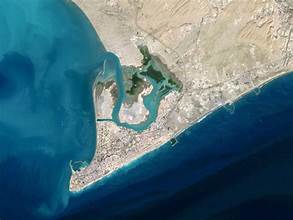
The politicians continue to speak about the Strait of Hormuz as though this were merely a regional dispute between Iran and its neighbors. That is complete nonsense. The strait is one of the most important arteries in the global economy, carrying roughly one-fifth of the world’s oil and gas shipments. Brent crude has moved above $91, but the headline price of oil is only the beginning. The real economic damage appears in shipping rates, insurance premiums, refinery margins, diesel prices, electricity costs, and ultimately government borrowing. War does not remain confined to the battlefield. It enters every household through inflation.
Washington claims the strait is open while Iran insists it remains closed. Both statements are political propaganda because it is the shipowners, insurers, and commodity traders who determine whether a waterway is commercially open. A tanker can theoretically pass through Hormuz, but that means nothing if the insurance premium becomes prohibitive or the crew refuses to accept the risk. Most politicians have never operated a business and do not understand that commerce depends upon confidence—not government declarations. Once confidence collapses, trade will retreat regardless of how many officials stand before cameras insisting that everything remains under control.
This is why the cost of the conflict cannot be measured solely by the number of barrels temporarily removed from the market. Every vessel delayed or redirected reduces available shipping capacity and increases freight rates elsewhere. Insurers must reprice the probability of a tanker being damaged, captured, or destroyed. Refineries must compete for alternative supplies, while countries dependent upon Gulf energy begin building precautionary inventories. Traders add a geopolitical premium because nobody knows whether the next missile will strike a ship, a refinery, a pipeline, or an export terminal. These costs compound through the entire system long before the average person notices the increase at the gasoline station.
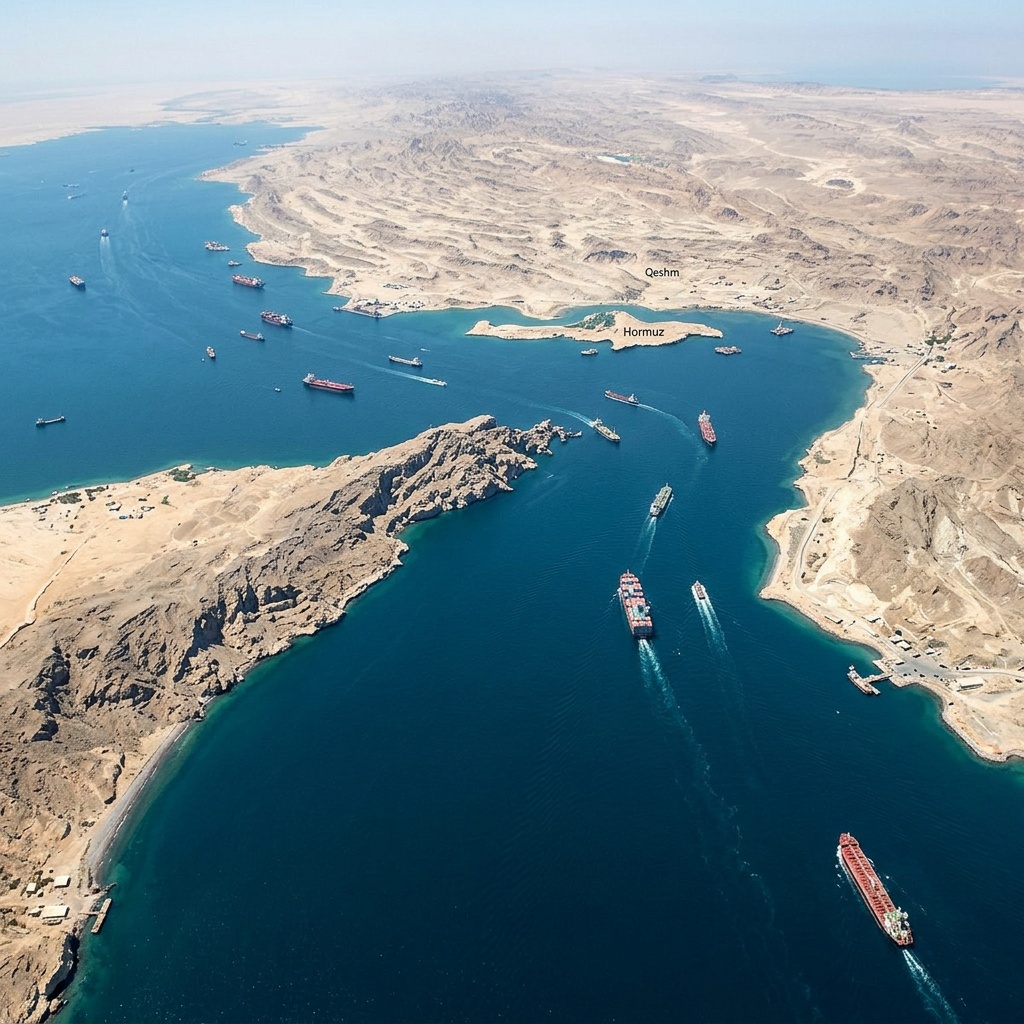
The more serious warning is coming from refined products, particularly diesel. Politicians obsess over crude because that is the price quoted every evening on television. Yet modern civilization runs on diesel. Trucks transport food and consumer goods, farmers operate machinery, construction companies run heavy equipment, and emergency generators protect hospitals and critical infrastructure. When diesel rises, the cost of virtually everything rises with it.
Governments will pretend that this inflation is temporary or caused by greedy corporations. They said the same thing after the monetary expansion of 2020. Inflation is never politically convenient because it exposes the true cost of government policy. A war financed through borrowing does not require politicians to present taxpayers with an immediate bill. The expense is transferred into sovereign debt, currency depreciation, and higher prices. The public pays through the destruction of purchasing power, while officials continue claiming that military operations can be conducted without domestic sacrifice.
Europe is particularly vulnerable. It has spent years undermining its own energy security while increasing sanctions, regulations, and military commitments. European governments are already struggling with weak growth, aging populations, expanding welfare obligations, and enormous debt. A sustained rise in energy prices will reduce industrial competitiveness and force governments to subsidize households once again. Those subsidies will require still more borrowing at precisely the moment bond yields are rising. This is the trap: war raises energy costs, energy raises inflation, inflation prevents central banks from reducing interest rates, and higher rates increase the cost of servicing government debt.
The bond market understands what politicians refuse to see. Long-term government yields are rising across Europe, the United States, and Japan because investors are beginning to question whether governments can continue borrowing without limit. The Middle East conflict is accelerating a sovereign-debt problem that already existed. Governments accumulated debt during the pandemic, borrowed again to subsidize energy after the war in Ukraine, and are now expected to finance another expanding conflict surrounding Iran. Each crisis is treated as temporary, but the debt is permanent.
This is how confidence collapses. The decline of an empire does not begin when it loses one battle. It begins when the cost of maintaining its military commitments exceeds the productive capacity of its economy. Rome debased its currency to pay the army and preserve the frontiers. Spain consumed the wealth of the New World financing wars across Europe. Britain emerged from two world wars victorious but financially exhausted, surrendering its position as the center of global capital to the United States. Military power is always dependent upon economic power, yet the warmongers imagine the relationship works in reverse.
Iran also understands that Hormuz is more valuable as a threat than as a permanently closed waterway. Completely stopping trade would damage Iran and alienate China, India, and other Asian customers dependent upon Gulf energy. Tehran does not need to seal the strait with an impenetrable naval blockade. It merely needs to create enough uncertainty that commercial traffic slows and the world pays a permanent risk premium. A missile landing near a tanker can accomplish economically what a fleet might fail to achieve militarily.
The United States may possess the naval power to escort ships, but it cannot force private capital to ignore risk. Nor can it guarantee that mines, drones, missiles, or small boats will never penetrate the security perimeter. Every escalation requires more ships, more aircraft, more personnel, and still more government spending. The attempt to protect the trade route therefore adds to the fiscal burden created by the disruption itself.
The Strait of Hormuz is becoming a tax imposed upon the entire world economy. It will appear in freight costs, food prices, utility bills, interest rates, government deficits, and eventually elections. Western leaders will blame Iran, corporations, speculators, or climate change before admitting that their endless wars carry an economic price.