

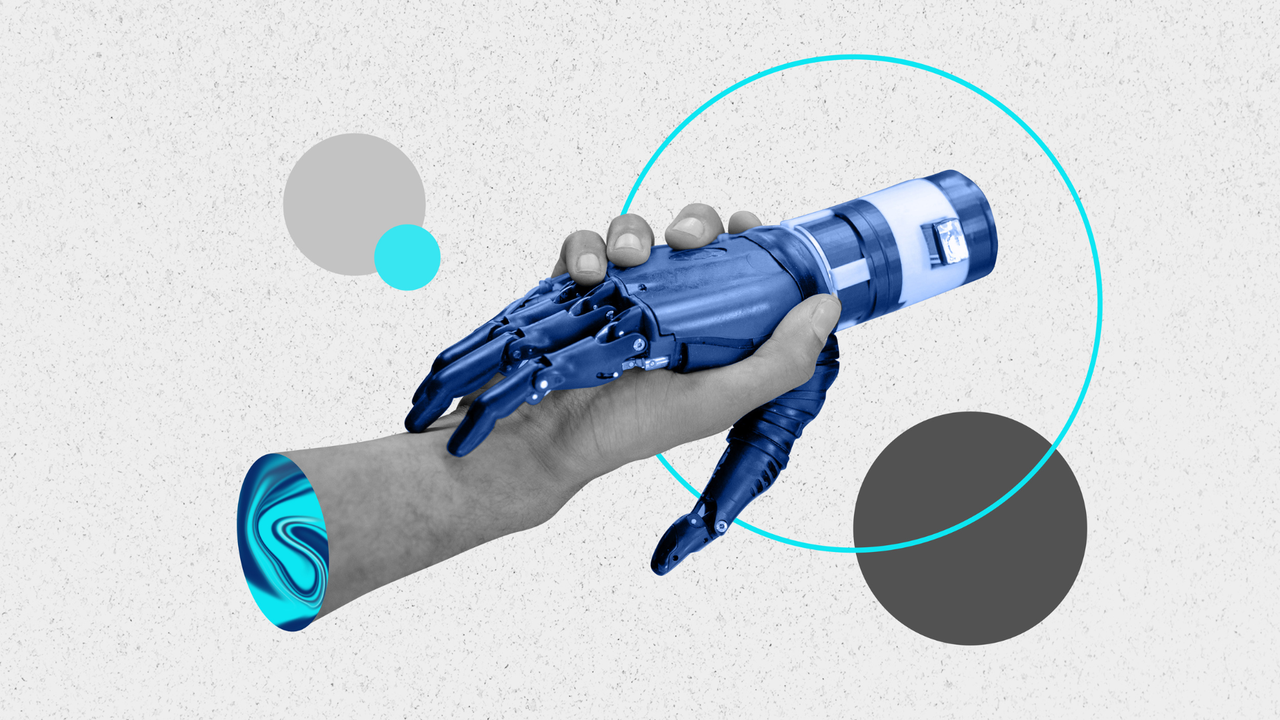
Customers are increasingly open to AI playing a bigger role in their relationships with brands, but there is a limit to how much control they are prepared to give it.
Adobe’s 2026 AI and Digital Trends Consumer Report found that 56% of consumers expect AI to improve their customer experience. Forty-three percent would be willing to try an AI concierge, yet only 19% want agents to become their primary interactions with brands. When asked what would make them trust an AI experience, responders said the most important option was the ability to change to a human at any time.
At first, these findings may appear contradictory. Consumers want the speed, convenience, and relevance AI can provide, but they also want access to a person. I do not see this as a rejection of AI. Nor does it mean that every AI interaction requires a human in the loop.
It tells us that customers want clear boundaries.
They want to understand what an AI system is there to do, how much authority it has, and when they can take back control. Access to a human matters because it provides an accountable experience and credible exit. It reassures people that if the context changes or something simply feels wrong, they are not trapped inside an automated experience.
THE BOUNDARY IS PART OF THE EXPERIENCE
For most customers, the human-AI boundary will be experienced through a series of much simpler questions.
Do I know when I am dealing with AI? Is it helping me or making decisions for me? Can I correct it? Can I change my mind? If the situation becomes more complicated, can I reach someone (a human, not an agent) with the judgment and authority to help?
Companies often try to build trust by explaining how their AI works. Transparency matters, particularly when people may not realize they are interacting with AI. But explanations alone will not create trust. Trust is earned through the experience itself and through the control you give to the end users.
That does not mean human involvement should look the same in every situation. For routine, low-risk interactions, customers may actively prefer AI because it is faster and more convenient. As an interaction becomes more personal or consequential, the appropriate boundary changes.
Consider private banking. Replacing an experienced investment manager with AI will destroy part of the value the customer is paying for. These clients expect personal service, professional judgment, and a relationship built over time. But maintaining that human relationship does not mean continuing to work exactly as before. AI can equip the manager with better information, remove administrative friction, and help them deliver a more responsive service.
The choice is not between preserving the human experience and adopting AI. The opportunity is to decide which aspects of that experience should remain human and where AI can improve those interactions.
Leadership teams should be asking where AI creates genuine value and what kind of human-AI relationships will allow people to experience that value with confidence.
TRUST MUST BE DESIGNED
These boundaries must be designed into the experience from the beginning. I call this trust by design. It means treating the ability to deploy AI safely, ethically, and in ways that protect human interests as a core organizational capability. It should not be compliance work added after building the technology.
Trust by design starts with purpose. Every AI experience should create a clear, felt benefit for the person using it, whether that means saving time, reducing effort, improving an outcome, or lowering risk. If that value is unclear, AI should remain assistive rather than take greater control of the experience.
It also requires leaders to define the boundaries of authority. What has the system been permitted to do? When should it ask for confirmation? When must a person take over? Can users stop the interaction, reverse a decision, or withdraw the authority they previously granted?
The answers will vary by industry, customer, and context. The boundaries needed for a shopping recommendation will be different than those required for a financial decision or healthcare change. The underlying principle, however, remains consistent: As the potential consequences increase, people need greater control and clearer access to human judgment.
This is why governance should not be treated as a brake on innovation. Done well, it becomes a commercial differentiator. It gives customers and employees the confidence to adopt AI more fully because they understand the relationship they are entering into and the protections surrounding it.
The future will not remain entirely human-to-human, but I do not believe it will become AI-to-human all the way through either. It will be an ongoing relationship between people and intelligent agents. The organizations that succeed will design that relationship thoughtfully.
AI may become more capable and confident by the month, but confidence is not authority. Authority is something people and organizations grant. AI can execute an action, but it cannot own the consequences.
That accountability remains human.
Michael Schreibmann is CEO and cofounder of Star.
