

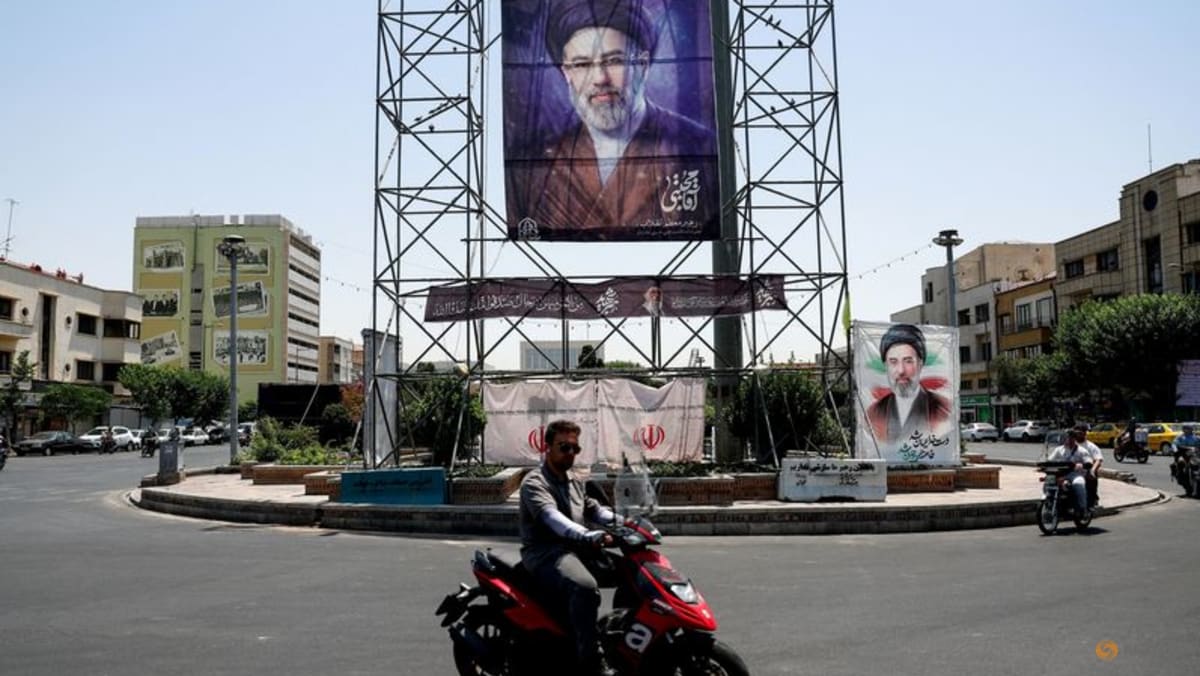
DUBAI: Iranian and US negotiating teams were due in Doha this week, but Iran said no meeting had been scheduled as weekend missile fire from both sides tested the interim ceasefire to end the four-month-old war.
US President Donald Trump is sending his son-in-law Jared Kushner and his envoy Steve Witkoff to lead the negotiating team, according to his press secretary Karoline Leavitt. And Iran is sending its technical delegation to Qatar this week, but Foreign Ministry spokesperson Esmaeil Baghaei said this had “no relation” to the Americans’ visit and no talks between the two sides were scheduled.
“We will not have any negotiation meetings at any level with the American side in the coming days,” Baghaei said.
The disagreement over whether the sides would even meet underscored the fragility of a Jun 17 accord that paused a conflict that has disrupted global oil flows through the Strait of Hormuz and created a political headache for Trump ahead of November’s congressional elections.
The US and Iran gave themselves at least 60 days to implement the 14-point memorandum of understanding to extend an April ceasefire, discuss Iran’s nuclear energy and research programmes and stockpile of highly enriched uranium that Trump had wanted to remove, and negotiate a permanent truce. But progress has been halting, with each side accusing the other of violating agreed terms.
After the US and Israel attacked Iran on Feb 28, maritime traffic through the Strait of Hormuz, the narrow chokepoint that previously carried about a fifth of the global oil trade, came to a virtual standstill. Israel has not joined the US-Iran peace talks and has distanced itself from the agreement.
Closure of the waterway sent oil prices to above US$100 a barrel, pushing up global inflation and putting pressure on Trump ahead of the midterm elections that will determine control of the US Congress, where some of his fellow Republicans have criticized the president waging war without lawmakers’ authorisation.
