

Faced with rising project costs and falling gas tax revenues to pay for them, state House and Senate transportation committee leaders laid out far different spending plans in Olympia this year. While the need to maintain roads, fix bridges and build ferries is critical work, negotiators should steer more toward the House’s, one that hews more closely to budget realities without overpromising projects too financially risky to deliver now.
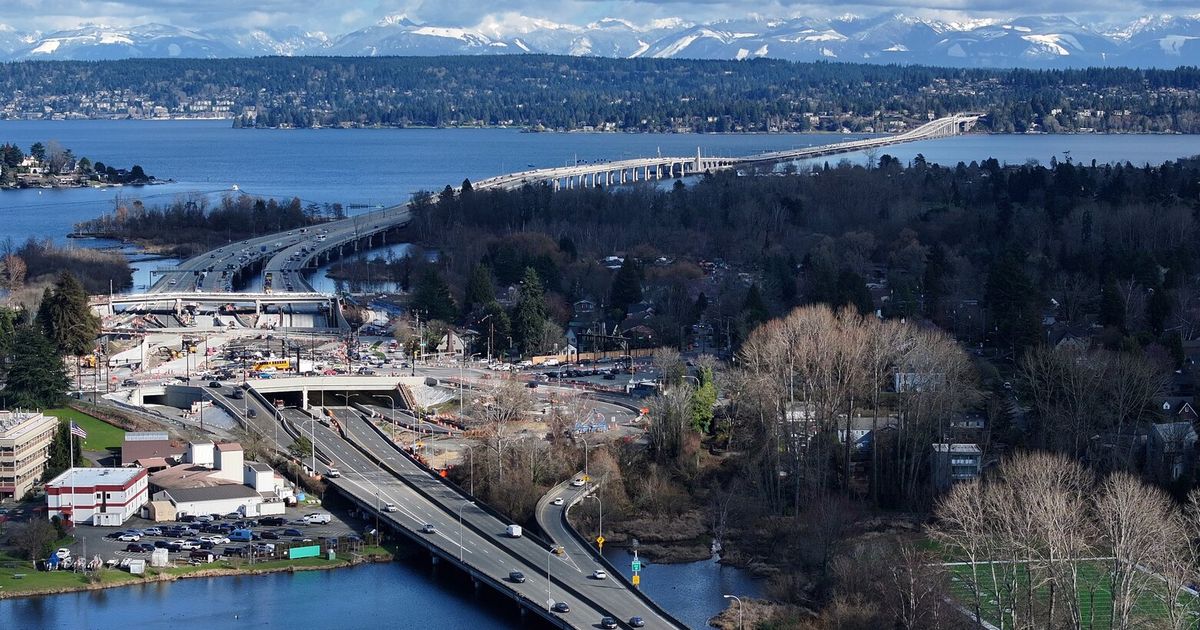
Soaring costs have added hundreds of millions of dollars to projects including the State Route 520 Portage Bay Bridge replacement. That is in part because a limited number of contractors, whose strapped workforces are already swamped with other infrastructure projects, can only take on so much. State contracts often attract little competition, which drives up the price tag. Meanwhile, as more drivers move to electric cars or at least more fuel-efficient ones, the state’s gas tax revenues continue to fall as the transportation budget’s primary revenue source.
Amid this backdrop, the House committee, chaired by Rep. Jake Fey, D-Tacoma, chose to pump the brakes on its two-year, $15 billion budget proposal, delaying some large projects including widening a section of State Route 18. The Senate committee, led by Sen. Marko Liias, D-Edmonds, doubled down, resorting to new fees, issuing new debt and tapping the state’s general fund budget for funding to continue breaking ground and keep projects including Highway 18 work on schedule.
Fey, along with ranking member Andrew Barkis, R-Olympia, approached the budget conservatively, acknowledging that the more than $1 billion hole in this year’s two-year budget might require cuts exclusively. The Senate version, which includes the bipartisan blessing from Sen. Curtis King, R-Yakima, relies on a mix of new gas taxes and construction bonds. Simply put, it spreads the money too thin and is unrealistic about what it can accomplish.
Spending more might jump-start some projects but it will certainly not rein in costs. A state Transportation Department study found that since 2017, projects with four or more bidders cost the state less than the state engineers’ estimate. Those with three or fewer bidders cost more — including a whopping 65.5% average gap between the estimate and the actual cost when just one contractor bids.
Better to wait until the labor supply and market conditions improve enough to attract more bidders. The House approach wisely pauses some work. Their budget funds in-progress projects like the Puget Sound Gateway program, completing Highway 167 in Pierce County and Highway 509 in King County. But it delays others.
“It’s not great to push these projects off, but our sense was until things settle down, this isn’t the time to ramp up projects,” Fey said.
That’s the right move. The Legislature will debate gas tax increases this year that are not certain to pass and gain Gov. Bob Ferguson’s signature. The House’s budget still cobbles together revenue from new fees while still ensuring important programs. Among them are the rebuilding of the state’s ferry fleet and adding more than $1 billion in work through 2031 to restore fish culverts under a court decision and advocated by local tribes.
That Liias and King crafted a bipartisan proposal is notable, and the pair should remain in lockstep through the process for the good of all Washingtonians. But the House budget is wise to slow some spending, and lawmakers should steer negotiations for the final budget toward its more prudent vision.
