

Whether making sure tenants who fall behind in their rent can catch up and stay in their homes, or assisting those who need help putting food on the table, the United Way of King County has been showing up for our neighbors for decades. And with its new campaign, and help from the public, it can continue to do so in 2026.
Many United Way programs help King County residents not only survive but thrive. The Our Neighbor Fund ensures access to nutritious food, stable housing and educational opportunities.
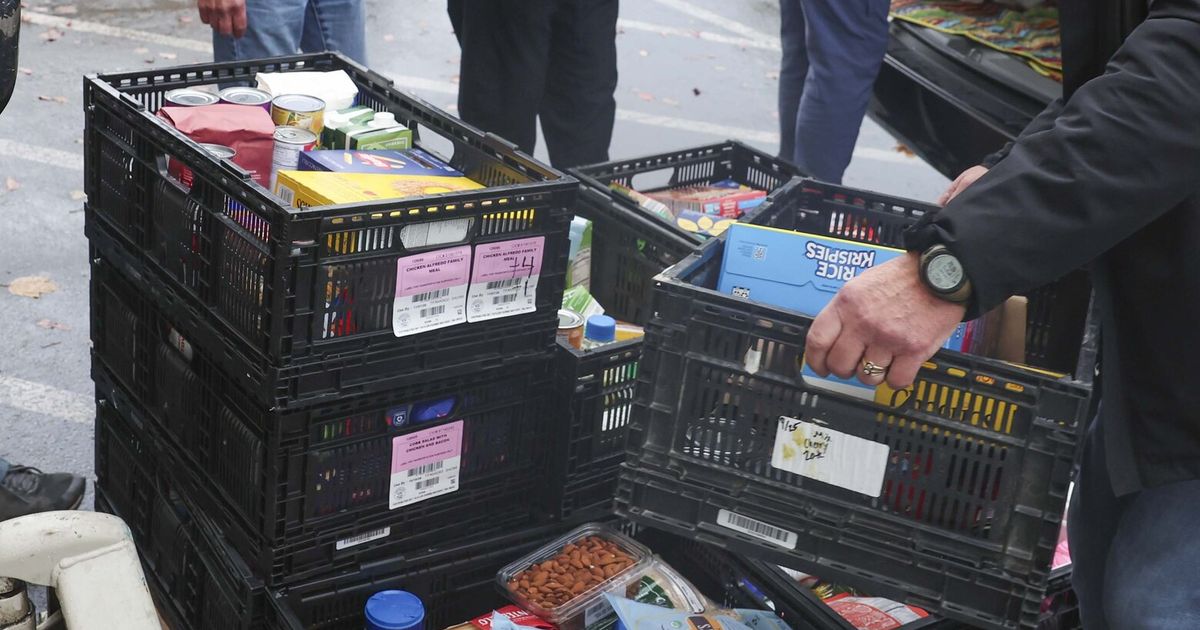
When Supplemental Nutrition Assistance Program benefits were threatened during the recent federal government shutdown, the United Way prepared to increase its assistance to food banks to mitigate the harm to families.
Its Home Grocery Delivery Program partners with DoorDash and Amazon to take food to those who have barriers to grocery stores or food banks. Started during the COVID pandemic, it has served 935,000 people since its inception.
“We really have tried to step in the last couple months as we see the need has grown and as we’re facing some big impending (federal) cuts,” said Regina Malveaux, United Way’s chief impact officer.
For those facing eviction, staffers with the United Way’s Housing Justice Project accompany tenants to court to assist in navigating the legal system. Their efforts have saved about 200 people from eviction this year and have served 5,000 people in total. Of those, 98% were able to stay in their homes.
The Equity Fund supports 24 grantees to provide community-driven solutions that address systemic racial inequities; among those are 14 programs for middle school youth that offer after-school programs that celebrate cultural identities and help students stay engaged in school.
The United Way also helped 18,000 people access dollars that they didn’t know they had. Its free tax preparation service helped thousands take advantage of the Earned Income Tax credit, what the agency called “one of the most powerful anti-poverty tools available.” The free tax program helped King County residents access about $17 million.
For all of this to be possible, it takes dollars. The United Way has set a fundraising goal of $43 million for the 2026 fiscal year. That’s where the public comes in. Traditionally the agency relies on corporate gifts, private donations and state and federal dollars. But with reductions and restriction at the federal level — especially in its approach toward securing housing — the United Way is focusing on private philanthropy to help serve the community. “We’ve got an increased need, we have a decreased investment and we really need philanthropy to step up,” said Anna Cronin, chief philanthropy officer.
