

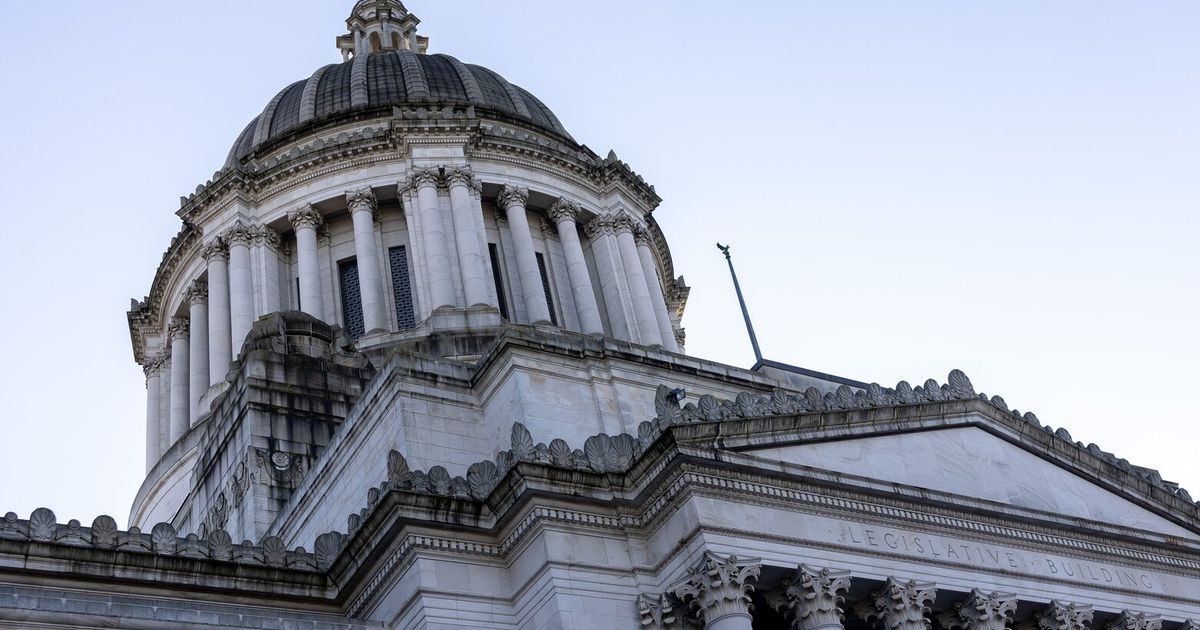
The Legislature’s left-leaning Democratic leaders are tilting even further left, pushing the state budget to grow with new taxes as part of a fantastical notion to reform the state’s tax code. Here’s hoping more sensible state lawmakers will stand up and not follow them over a cliff that threatens our economy even without uncertain effects of federal decisions.
And, failing that, Gov. Bob Ferguson, a sensible Democrat himself, should be inking up his veto pen and preparing to call lawmakers back for a special session if they can’t finish their work by April 27.
Yet, legislative leaders continued this week to parade audacious new tax proposals. The latest? Democrats suggest new business, capital gains and property taxes that add about $12 billion in new revenue for the state budget over the next four years.
To be clear: This budget shortfall is of the Legislature’s own making, enabled by former Gov. Jay Inslee. No recession nor economic downturn has dented state revenues. In reality, they’re expected to grow by $10 billion over the next four years. The state’s operating budget has nearly doubled, from $34.3 billion to $66.4 billion, in the last decade, outpacing both population growth and inflation.
The most progressive lawmakers still cling to the notion that, with just over a week left in this session, the effort to balance the budget must also include a hasty overhaul of the state’s tax system.
Nonsense.
No more gimmicks that assume revenue growth over the projections of state economists. No tapping the state’s rainy-day fund. And no hurried and fundamental alteration to the way the state taxes its citizens and businesses.
Piggybacking an ideological push to transform the tax code could have broad impacts at a time of economic uncertainty. As President Donald Trump continues to slash federal government programs and install new tariffs that particularly hurt trade-dependent states like Washington, lawmakers should cautiously move on any tax policy that changes the state’s business climate.
Democrats have, in recent years, made some progress in reforming the tax code. A 2021 capital gains tax provides funding for schools; a working families tax credit provides relief for those who need it most.
But leadership’s ideological visions of taxing more comes with serious peril. Former Gov. Chris Gregoire this week sounded the alarm about proposed new business taxes.
“You are going to dry up the startups, the Microsofts and Amazons and the Nordstroms of tomorrow,” said Gregoire, who leads an alliance of leaders of the state’s biggest companies.
Those plans have galvanized Microsoft and other Washington businesses to rally opposition. The prospect of an anti-tax ballot initiative looms.
Lawmakers’ intentions to continue to outspend what they take in is a recipe for disaster in any household budget, let alone one for all the state. Gov. Ferguson has included a proposal that state workers take a furlough once a month for the next two years as a way to free up hundreds of millions of dollars to help bridge the gap.
His reward: Mike Yestramski, president of the state’s unionized workforce, recently called Ferguson a “ratfink” for the furlough proposal, suggesting the union may pull their endorsement of the first-year governor.
Instead of Ferguson, his ire should be directed at Gov. Inslee’s administration, which negotiated wage increases with workers in 2024 knowing full well the state could not sustain them in 2025.
Since his Jan. 15 inauguration, the governor has demonstrated he cannot be bullied, despite legislative obstinance against stepping up.
The harsh truth: The state’s budget is going to require billions in cuts. And yes, it will likely require some modest fee and tax increases. It will also require a modest sacrifice of the state’s workforce. Ferguson and Senate Democrats both have called for furloughs while maintaining the labor agreement negotiated by Inslee last year.
Lawmakers’ job now is to enact a sustainable budget that best weathers the economic turbulence on the horizon. Pragmatism, not an ideological push to change the tax code, is what’s needed in the session’s waning days.
