

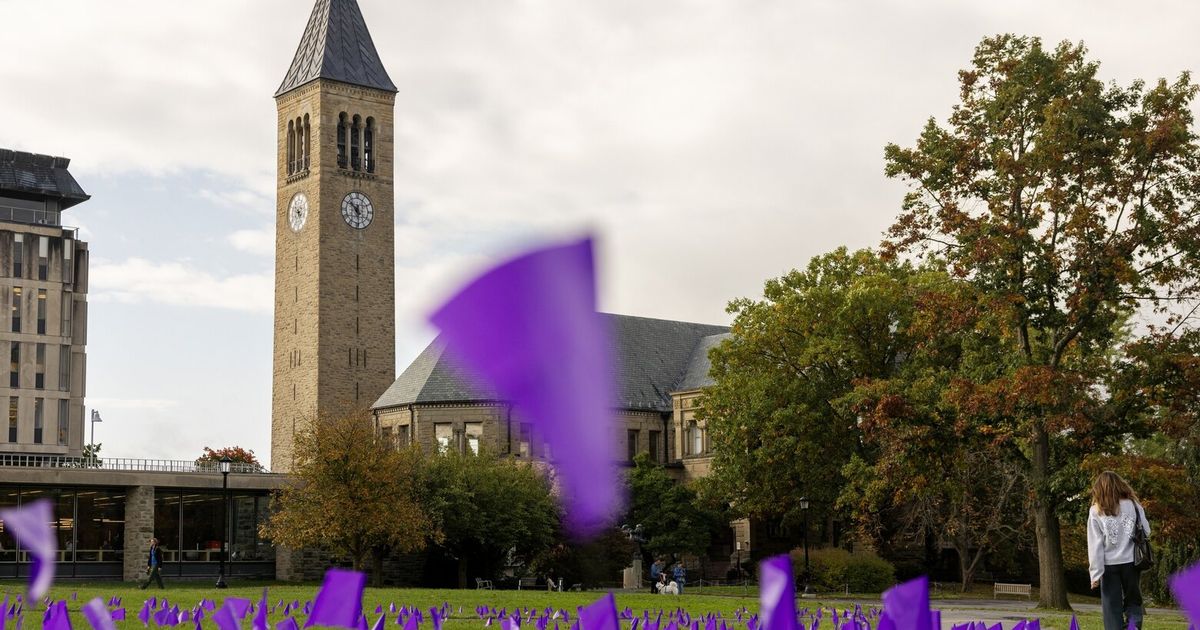
The lawsuit against Cornell University has put sexual assault in the national spotlight. Much of what that survivor experienced is heartbreakingly familiar to us at the King County Sexual Assault Resource Center. We have supported survivors since 1976 and now assist almost 5,000 survivors and their family members a year. While headlines and hashtags focus on one horrific and illustrative case 3,000 miles away, we must recognize this happens here in King County and Washington state as well. And there is something we can do.
Most sexual assaults never make headlines. An estimated three-fourths are never reported. At KCSARC, we hear regularly from people who have lived years, even decades without telling anyone. Chances are good you know someone who has experienced sexual violence, whether or not they’ve told you. Evidence shows supportive responses are linked to improved outcomes for a survivor. We shouldn’t wait for headlines to prompt us to do so.
Why do so few survivors report? Survivors feel shame and blame themselves, especially if alcohol or drugs were involved. Then there’s fear for their own safety or that of loved ones, or that reporting could cost them the job that keeps their family afloat. Some survivors need to tell their story in a language other than English, while others face assumptions about their race, ethnicity, immigration status, gender identity, sexual orientation or disability that signal the justice system isn’t for them.
So what should we know and do that can help?
First, trauma doesn’t always look the way people expect. A survivor may not realize at first that what happened was an assault, or may not want to call it that, especially when the person who hurt them was someone they know and trust. Memory can come in fragments, and many people wait before telling anyone. None of this suggests someone is lying. Study after study shows this is how minds and bodies often respond to overwhelming events.
Yet these real reactions are the very things that lead people and systems to disbelieve and dismiss survivors who come forward. Survivors are asked why they waited to report. They’re asked how much they drank and why. They’re asked about their mental health. They’re asked about their motives. If we want healing, accountability and an end to sexual abuse, we need to look at how we respond to survivors.
Next, we can respond in ways that restore agency and decision-making. Sexual assault takes away a survivor’s power and control. If someone tells you about an experience that sounds like sexual assault, start from the assumption that they’re telling the truth. We teach a five-step approach called BASER: Believe them and affirm that telling someone was a good decision; offer nonjudgmental support and empower them to decide how, when or whether to take further action; and refer them to resources like KCSARC or other community sexual assault programs in your county. You don’t have to have all the answers in the moment. And if you need help talking it out, we’re here for you, too.
The professionals who respond to survivors, from schools and hospitals to police, prosecutors and courts, must be trained in how trauma affects memory and behavior. These responders should connect survivors with a sexual assault advocate from the first contact with them.
That step supports accountability and justice as well. Sexual assault usually has no witnesses beyond the victim and the accused. If a survivor is too distressed by how they’re treated to stay involved in their own case, a prosecution has little chance. Survivors have rights to dignity, information and to be heard under federal and state law. Police, prosecutors and courts must protect a victim’s rights as vigorously as the defendant’s.
Our response also shows a community — whether a school, a hiking club or a city — that abuse isn’t tolerated here.
We can’t change what we can’t talk about. We should be normalizing this conversation and demanding better. It shouldn’t take headlines to make us discuss the problem.
To the survivors in our community, please know you’re not alone, and healing is possible. KCSARC’s 24-hour resource line, 888-998-6423, is free and confidential, no matter when the abuse happened or whether you decide to report. Outside King County, the National Sexual Assault Hotline is 800-656-4673.
