

During the pandemic, I stumbled into bird photography as a way to cope with stress and burnout. What began as a simple walk outside with a camera turned into a life-changing journey, one that opened my eyes to the beauty and fragility of America’s birds, wildlife and the public lands they call home.
As an attorney, wife, mother and small business owner, I didn’t have “bird-watcher” on my résumé. But that first photo of a simple sparrow sparked something in me. I began visiting parks and preserves around Seattle, and soon, my travels expanded. Family vacations and work trips became opportunities to explore National Wildlife Refuges and state parks from coast to coast and many places in between.
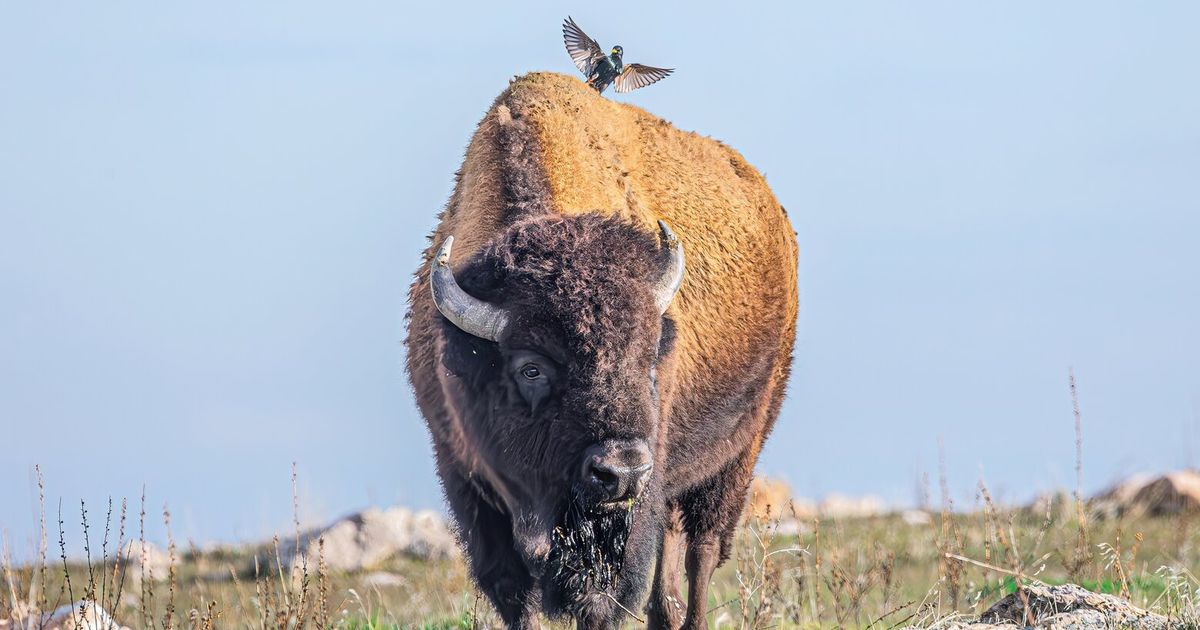
I loved visiting the Orlando Wetlands, where I first saw roseate spoonbills. In Maui’s Keālia Pond National Wildlife Refuge, I marveled at dozens of black-crowned night herons. At Utah’s Antelope Island State Park, I was enchanted by the abundance of Western meadowlarks and the majesty of the bison. In Maine, the sweeping views of Acadia National Park and the soaring bald eagles took my breath away.
And in Nebraska, I witnessed the surreal spectacle of 750,000 sandhill cranes descending on the Platte River, an ancient migration that relies on carefully protected habitat. The Rowe Audubon Sanctuary plays a vital role in conserving these lands and working collaboratively with local communities.
These experiences brought me both healing and awe. In fact, I often feel like I’m in a constant state of awe, chasing the high that nature’s beauty brings me.
Recently, I began transforming my bird photographs into line drawings, launching a coloring book series called “Color Your Joy.” Through art and nature, I found a way to slow down, reconnect and share that joy with others.
But the very places that helped me rediscover wonder are now under threat. According to the U.S. Fish and Wildlife Service, our country has over 570 national wildlife refuges, and they face growing dangers from climate change, pollution, funding cuts and development. These public lands are critical habitats for migratory birds and endangered species, but they’re also sanctuaries for people. They give us space to breathe, think and simply be.
As a newer nature lover, I’ve been struck by how uniquely American it is to have lands that belong to everyone. These refuges are part of our national identity, and protecting them is part of our responsibility.
We must treat them not as luxuries, but as lifelines. They store carbon, safeguard biodiversity and help us build resilience against climate change. They are classrooms for children, therapy for our mental health, and inspiration for artists and dreamers alike.
If we want future generations to feel the awe of a sandhill crane migration or the quiet thrill of spotting an owl in the wild, we must act with urgency and care.
Fully funding conservation, expanding the National Wildlife Refuge System and strengthening environmental protections are not just policy goals, they’re promises to our children and to the planet. Because when we protect wild places, we don’t just preserve landscapes, we preserve wonder, connection and the essence of what makes America beautiful.
