

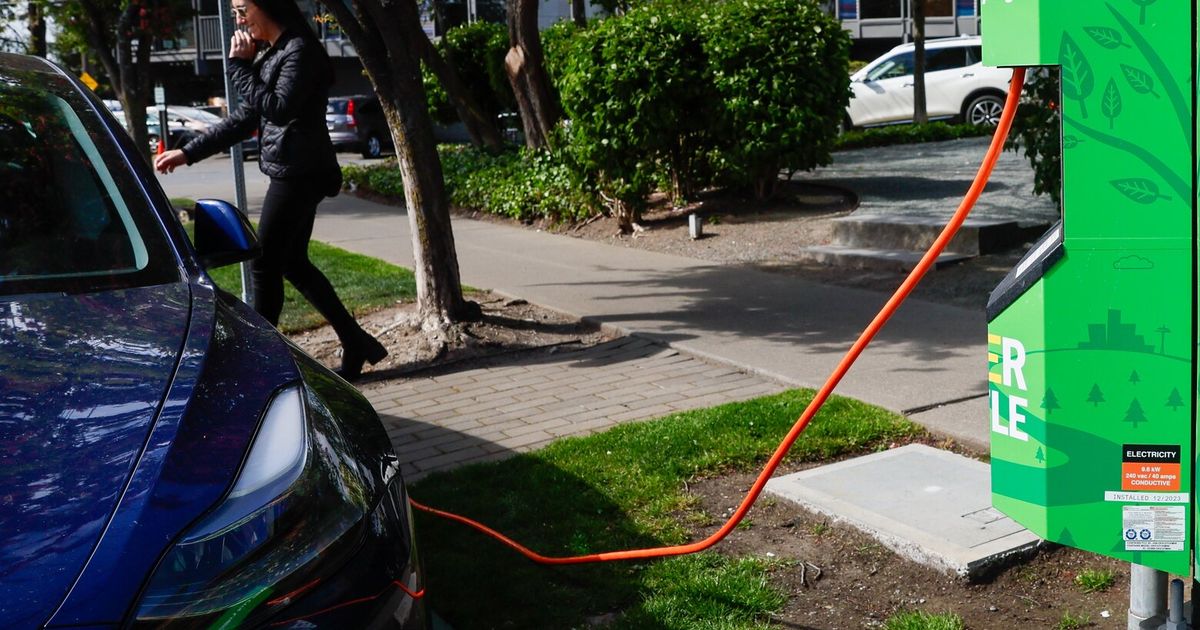
While those concerned about climate change can breathe a sigh of relief that Washington Initiative 2117 failed in 2024, The state’s Climate Commitment Act is likely to be challenged again. Here’s why, and how it can be made more durable.
The CCA is driving down carbon emissions by reducing the number of carbon allowances sold each year. That ensures that fossil fuel use will decrease, which is the objective of the CCA. Revenue from the allowance auctions is being reinvested in a variety of programs that will further reduce emissions and build resilience to climate change.
As the number of allowances decreases, the price of those allowances will rise unless the demand for fossil fuels decreases faster than the number of allowances. Those higher costs would be passed on to consumers. Given the hypersensitivity of many consumers to the price of fuel, that could increase opposition to the CCA.
Opposition to the CCA will not rise if either fossil fuel demand decreases fast enough to prevent rising prices, or if the number of consumers using fossil fuel decreases. Since fossil fuel demand decreases with the decreasing number of fossil fuel consumers, the key to reducing opposition to the CCA is reducing the number of those consumers.
Fossil fuel is primarily used in Washington for transportation and heating (air, water, or food in homes and buildings).
The number of fossil fuel consumers can be reduced by replacing fossil fuel-powered vehicles with vehicles that are powered by something else — primarily electric vehicles — and by replacing fossil fuel-powered heaters with carbon-free heaters; primarily heat pumps. Consumers who do so will no longer care about the price of fuel.
Higher prices for electric vehicles and heat pumps have been a barrier to their purchase, so tax credits and rebates have helped spur sales. Now that federal tax credits for EVs and heat pumps are gone, sales will struggle to grow. The phaseout of federal funding for EV charging stations will also slow EV sales growth.
With the lapse of federal subsidies for electric vehicles and heat pumps, fewer people will electrify their transportation and heating systems, so more people will remain sensitive to the price of fuel. This continued sensitivity renders the CCA vulnerable to calls to repeal it as the number of carbon allowances declines and the price of fuel increases.
If the CCA is to survive another repeal effort, it must deliver more of its considerable revenue to the people who are most sensitive to the price of fuel: those using fuel-burning vehicles and appliances.
Total CCA revenue is now $4.3 billion. Of that, only 7% is for electrifying transportation, and 10% is for buildings. To protect the CCA, more of the revenue should be allocated to EV and heat pump rebates.
It would be best for the climate if the allocation of the CCA revenue were based on how effectively carbon emissions are reduced or the natural removal of atmospheric carbon is preserved. However, prioritizing reducing resistance to the CCA might not be the same thing. As an example, distributing much of the revenue into the Working Families Tax Credit Program, as Gov. Bob Ferguson has suggested in his new budget proposal, might build support for the CCA, but perhaps not as effectively as decreasing emissions or removing barriers to the purchase of EVs and heat pumps. Allocating more of the CCA revenue to those purchases might be the sweet spot that both reduces resistance and decreases carbon emissions.
