

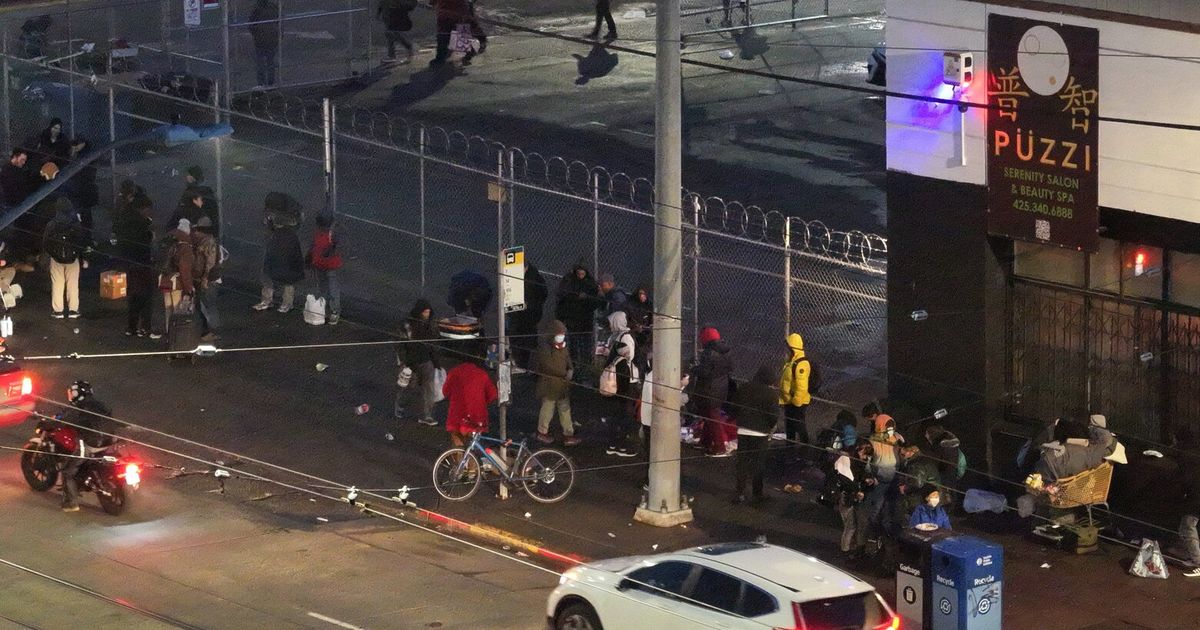
We need to talk about Little Saigon — particularly the intersection of 12th Avenue and Jackson Street.
Allow me to offer a glimpse of what is happening there: Addicts and dealers, housed and unhoused, of all ages and ethnicities, congregate to buy, sell, use and share the most deadly synthetic drugs on our streets, such as fentanyl, tranq (xylazine, a sedative) and meth. They support their addiction and fuel the drug market by selling stolen goods, often openly displayed on the street.
It is a downward spiral of people stuck in the chemical quicksand of cheap, hard drugs who are preyed upon by dealers. New faces appear every day as addiction takes over their lives. The resulting street disorder and despair make it impossible to run a business, walk on the sidewalk or simply feel safe in the neighborhood.
I know this because I was one of them. Over 12 years as a heroin addict, I spent time on 12th and Jackson and other corners like it. Somehow I survived those wretched years, my own “season in hell,” but many others I know — my friends — didn’t. And more join the number of dead and dying every day.
This is the reality of drugs in Seattle. Opiates rob you of your ability to help yourself. It is like being held captive in your own mind, unable to escape. The only way out is intervention.
Unfortunately, in Seattle, we don’t want to be seen as mean. We have official policies driven by the priority of “meeting people where they are,” but often without a clear path out of the addiction trap. The only meaningful “harm reduction” when it comes to fentanyl and tranq is medication or abstinence. Our compassion is useless when we embrace the destructive idea that we are respecting “personal autonomy” of addicted and mentally ill people suffering on our streets.
As a former addict, I can assure you that addiction robs people of their autonomy. Heroin stole 12 years of my life. Leaving people too impaired to make rational judgments about their own well-being is not compassion; it is neglect. We would rather leave people to die on our streets than be seen as too harsh for intervening.
This attitude pervades our policies and limits our options to respond to people in crisis.
I have been in recovery for 18 years and worked in social services for 10. While doing street outreach in our city, I connect every day with people stuck in a cycle of self-destruction, just like I was. Many of them will tell me, “Someone needs to do something, someone needs to stop this.”
This is not a lifestyle choice. This is not real harm reduction. They are trapped.
The truth is that areas like 12th and Jackson are an open wound, a social injury to the fabric of our city. I love the Chinatown International District and Little Saigon. It can be one of the most iconic neighborhoods on the West Coast. It should be, but it cannot move forward until we close this wound.
Seattle City Council President Sara Nelson’s proposed package of expanded treatment services and facilities is a crucial first step in the right direction. We need more proactive interventions; more treatment; a better-functioning, less bottlenecked system of civil commitment — a lot more. As someone in recovery herself, she understands that the path to recovery requires help and hard choices.
That’s why we need to better leverage the criminal justice system to compel those committing slow-motion suicide on our streets to get help and address the underlying conditions that are causing them and our social fabric so much harm. It’s not about punishing people; it’s about using every tool we have to bring them into safety.
There is no more avoiding it. We have an open wound in our city and the means to heal it is breaking the cycle of addiction. We need to stop congratulating ourselves for mistaking neglect for compassion and take action now to help those too impaired to help themselves. The council has a plan to put people on the path to recovery. Members should pass it.
