

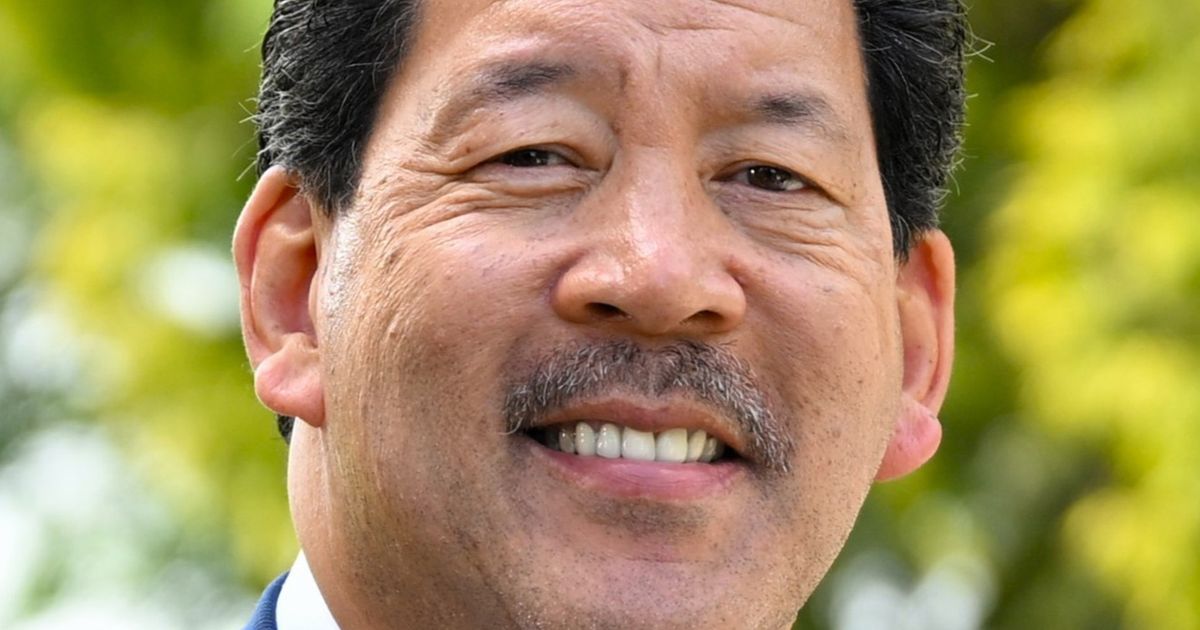
Seattle Mayor Bruce Harrell is attempting to accomplish something not done in 20 years: win reelection.
Mike McGinn. Ed Murray. Jenny Durkan. All one-termers.
So how should voters evaluate Harrell’s performance?
Crime is down. There are fewer homeless encampments. Over the last four years, polls suggest people increasingly believe Seattle is on the right track.
Harrell’s three major challengers — Katie Wilson, Ry Armstrong and Joe Mallahan — all claim Seattle is underperforming. They are correct.
Seattle has a vision of itself as a progressive, smart city able to offer a positive example to the rest of the nation. It is instead bedeviled by seemingly intractable challenges such as homelessness, open drug use and affordability. And the much-vaunted local economy is on the downslide.
It is important to note the positives. City Hall is functional, focusing on public safety and doing away with ideological windmill chasing.
This has largely been the product of quiet cooperation between the mayor’s office, City Council and city attorney’s office.
That’s something of which to be proud. Instead, Harrell constantly checks over his left shoulder, afraid that he will be out-progressived by political opponents, real or imagined. That leads him not to stand with other electeds who are trying to do the right thing. It’s also the root of some bad ideas.
Take his recent announcement of a new Business & Occupation tax hike. The increase will hit about 2,300 of the largest local companies. In an editorial board interview, Harrell did not know how many people these businesses employ. You’d think he would have known that number before announcing the idea, as Seattle employment will likely take a hit.
He also wasn’t totally clear on where the $90 million in new revenue would go, suggesting at one point that it would be shoveled into the city’s General Fund to help pay for police. That’s a far cry from the laundry list of progressive spending priorities ticked off at the proposal’s announcement last month.
But prevailing political wisdom suggests that smacking big business always plays well in Seattle, no matter if the city’s own revenue forecasts predict weakening B&O and payroll expense taxes as the economy sours and companies move employees out of the city.
Worse, the B&O tax proposal goes to voters in the November election only if his ostensible friends at the City Council decide to place it on the ballot. That puts council members in a very awkward position, only for Harrell to score a few cheap political points weeks before the primary election.
Harrell’s catch phrase is “One Seattle” but, politically, his modus operandi is more like “One Survivor” — himself.
Should Harrell join the ranks of his predecessors as a one-term mayor? No.
All things considered, Harrell deserves to be reelected. The city is better off than it was four years ago. In a second term, Harrell may feel less panicky politically and will be more inclined to use his considerable skills to bring about some of that audacious “Space Needle Thinking” he once promised.
Wilson, Armstrong and Mallahan do not have the chops to run an organization as complicated as Seattle city government. But each possesses positive attributes from which Harrell ought to borrow. There are four other candidates in the race. You can learn more about them at the King County Elections website.
No mayor can Trump-proof Seattle. Or house every unsheltered person. Or turn the clock back on societal discord. But a mayor — with like-minded City Council members and city attorney — can demonstrably improve quality of life in the city. More of that, please.
