

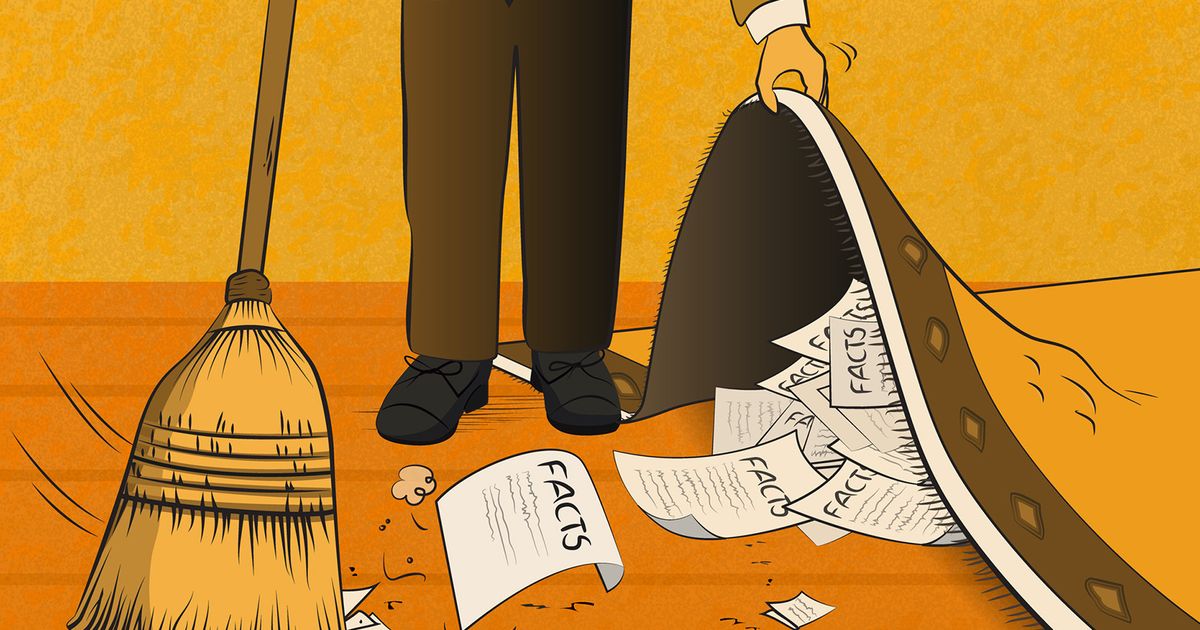
Washington’s state lawmakers have pushed the limits of the Public Records Act for years, but the latest effort by the House of Representatives is a power grab straight out of the hands of the people they’re supposed to serve.
The House public records officer sent an internal email in late July to the chamber’s legislators outlining a restart of a 30-day email auto-deletion system and a guide on how to get rid of “transitory” emails even sooner.
As background, a 2019 Washington State Supreme Court ruling found individual lawmakers are subject to the PRA but left a question mark about how the chambers themselves must behave. Led by House Speaker Laurie Jinkins, D-Tacoma, the House has poked at that weak spot ever since.
This isn’t just a House issue. The Legislature’s tendency toward secrecy has steadily grown, despite lawsuits, the 2019 court ruling and a massive public outcry. After that court ruling, lawmakers decided they had a right to hide records from the public under the guise of “legislative privilege,” more appropriately called “secrecy privilege.”
The Washington Coalition for Open Government is fighting that claim in court, and arguments before a state Court of Appeals are expected this fall.
Eight lawmakers (of 147), including now-deceased former Democratic House Speaker Frank Chopp, pledged at WashCOG’s request that they will not use the secrecy privilege. A week before he died in March, Chopp spoke at our annual Sunshine Breakfast, where we thanked him for standing up for transparency. He left us with these words:
“This issue is very simple. You have to fight back and win on this issue because the people are with you.”
As we continue to fight, this latest House action would make it easier and more automatic to destroy emails — no privilege required. Lawmakers can simply deem them “transitory” and dump them, hiding what they want. That’s more power than the people of Washington ever intended.
Left sitting in the dark, all voters have are unanswered questions. How will we know which candidate is working for us or if an incumbent should be replaced? We won’t.
Meanwhile, WashCOG is dismayed at the lack of outrage from lawmakers who understand that these power grabs are not in the people’s best interest. Transparency should be a nonpartisan issue, with equal-opportunity anger over any attempts to steal and nullify the people’s power. Silence is acceptance, at a minimum, especially when the people and courts of this state have been clear that open records and access are essential to how this democratic republic should operate.
“It’s hard to believe that after the Washington Supreme Court and the people of Washington clearly told the Legislature to obey the Public Records Act, House leadership continues to think up ways to withhold government-produced documents requested by citizens,” said George Erb, WashCOG secretary.
The powerful public outcry state residents made in 2018 after lawmakers tried to exempt themselves from the Public Records Act led then-Gov. Jay Inslee to veto their bill. Despite the Supreme Court ruling the next year that lawmakers are subject to the PRA, the House has been on a mission to push the limits.
As secrecy reigns, WashCOG would like to point out that the new policy has at least two major flaws:
1) The word “transitory” creates a gaping loophole that will solidify the direction we are heading, where lawmakers continually remove more written information from public view. That will leave us with only formal, finished laws and policies. That is not what voters wanted when they pushed in 1972 for what became the Public Records Act.
2) It says the prime sponsor of a bill is the only one who must retain emails related to that bill, ignoring that the words and interactions from non-sponsors might also matter in how a measure was formed and found support.
This is proof that the slide away from transparency continues. WashCOG studied the state of the Public Records Act and issued a report in 2024 and a 2025 update that concluded the people’s right to know was eroding, and the Legislature was the leading cause.
We are fighting for transparency, but it seems lawmakers are doubling down. It appears the bad actors won’t back off until the voters and courts demand openness.
That’s where you come in. We hope the people will join us in letting their legislators know that this must not stand. We reject the concept that they only owe us the finished product when they make laws or do the people’s work. As teachers often require in school, you must show your work to prove you did it the right way.
They’re supposed to work for us. Don’t be afraid to speak up and remind them.
