

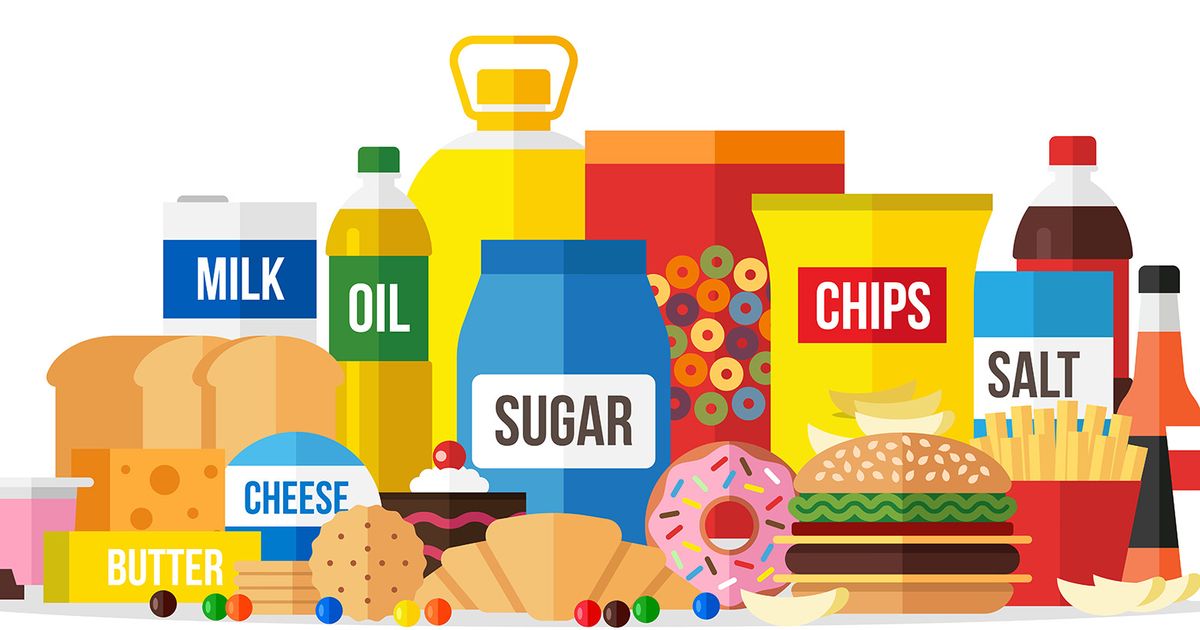
Ultraprocessed foods (UPFs) are in the limelight. U.S. Food and Drug Administration Commissioner Marty Makary has identified them as the most important “root cause” of chronic diseases. The Make America Healthy Again Commission’s recent report correctly diagnoses UPFs as a top driver of chronic disease among American children. While the report may lack scientific rigor, as researchers who have studied children’s diets for decades, we agree with its conclusions about UPFs.
These foods account for two-thirds of what American kids eat, and these foods are associated with obesity, type 2 diabetes, heart disease and mental health disorders. If UPFs are the diagnosis, the prescription is clear: We need strong, science-based policies to improve kids’ diets and protect their health.
The good news is that we already have evidence-based policy options including taxes; front-of-package warning labels; restrictions on UPFs in school food, government facilities and government-funded programs; and bans on advertising UPFs to children. For example, we found that in Chile, combining marketing, labeling and school policies dramatically reduced unhealthy food consumption.
However, it is unclear whether MAHA actors — including the federal administration, Congress and state legislators — will take serious policy action. UPFs are so pervasive that meaningful reduction will require serious regulation of the packaged food companies that create them. Thus, the million-dollar question is: Will MAHA policymakers, operating inside the deregulatory Trump administration, take on the food industry? Unless they do, MAHA will be nothing more than a public-relations campaign.
The first test may be how UPFs are defined. While the commission report used a scientific, comprehensive definition of UPFs, actual MAHA-driven policies thus far fall dramatically short. Recent MAHA-inspired state bills claiming to reduce or ban “UPFs” from schools actually define UPFs narrowly, focusing on a limited number of artificial food dyes and a handful of preservatives, emulsifiers and texturizers. Our research shows this approach misses 90% of UPFs in the U.S. food supply. This isn’t just inadequate; it may be harmful.
It might seem strange for two health researchers to criticize these bills. But while removing artificial dyes may benefit some children with behavioral sensitivities, it won’t address broader UPF-related health harms. Only a small fraction of food contains these dyes, and the industry is already replacing them with natural alternatives, continuing to produce brightly colored products that encourage UPF consumption.
And removing artificial dyes will let the industry claim to have addressed the problem — a strategy that successfully delayed regulation of other unhealthy products like tobacco for decades.
Worse, MAHA’s narrow focus may have unintended consequences. Parents may assume foods without MAHA’s shortlist of additives are healthy, even when they’re not. Consider Yoplait low-fat yogurt mousse: It lacks MAHA additives but is a UPF containing modified cornstarch and artificial flavors, and is high in added sugars. MAHA’s approach could create a “health halo effect” that makes it harder for parents to identify truly healthy foods.
MAHA should adopt the widely used Nova classification system, which forms the foundation for the many scientific studies on UPFs. Nova defines UPFs using an extensive list of additives that are markers for the degree of processing, rather than focusing on the few additives MAHA views as harmful. This avoids the need for constant evaluation of an ever-growing list of individual food additives and sidesteps prolonged battles with industry over each one.
Critics argue Nova may classify some relatively healthy products as UPFs, such as whole grain breads or yogurts with emulsifiers. This concern can be resolved by exempting the small number of such products from UPF policies.
Protecting our children from chronic diseases requires confronting all UPFs, not pretending to address the problem by removing a few chemicals. We need comprehensive policies that address how the food industry produces, markets and sells UPFs, while ensuring that all children have access to fresh, healthy foods.
Reducing children’s UPF consumption is one of the most critical public health challenges of our times. Will our government leaders be up to the task? Will the FDA, which recently announced it will develop a UPF definition, do better? Will the MAHA Commission make serious policy recommendations? Or will they be content with symbolic gestures that endanger our children? Time will soon tell.
