

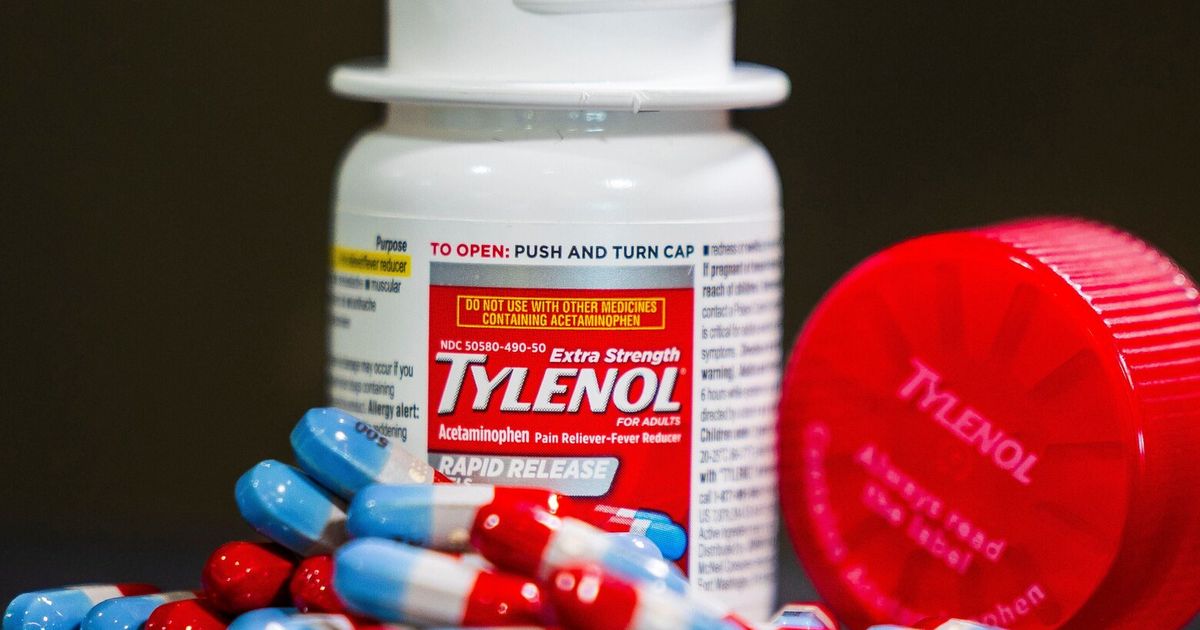
As expected, pregnant patients started showing up at our offices over the last two weeks with one question on their mind: Is acetaminophen — commonly known as Tylenol — safe?
The answer, resoundingly, is “yes.”
Many asked the question with more than a bit of exasperation.
“Is this another one of those new FDA recommendations?”
Again, unfortunately, yes.
When the new administration declared recently that people should not take acetaminophen during pregnancy because it causes autism, we all started shaking our heads and waiting for the phones to start ringing. Which they did.
First, let us make one thing clear: The lack of a definitive association between Tylenol and autism has been demonstrated in numerous well-controlled studies — including a Swedish study involving 2.5 million children published in 2024 and a Japanese study published this month.
This administration pointed to a systematic review published this year to support its statements. We, along with the American College of Obstetricians and Gynecologists, do not believe this study should change the current understanding of acetaminophen’s safety in pregnancy. Many of the studies included in the systematic review have significant limitations. This includes a lack of information on acetaminophen dosage, reliance on patient recall after their pregnancy, and the absence of standardized methods for diagnosing autism.
We want to reaffirm: Tylenol is the safest medication that can be taken during pregnancy to treat fever and pain.
The same day as the announcement, numerous leading doctors, as well as the American College of Obstetricians and Gynecologists and The Society for Maternal Fetal Medicine issued statements that Tylenol is safe to take during pregnancy in consultation with a doctor.
The admonition to “tough it out” is both cruel and irresponsible. High fevers can prove harmful to both the mothers and unborn infants, as during fever, the fetus is even warmer and has a higher temperature.
According to numerous studies, untreated fever in pregnancy increases the risk of birth defects, miscarriage and preterm birth. And even a normal, “easy” pregnancy isn’t a picnic. The advice to “tough it out” may well lead to anxiety and depression. Dealing with untreated pain can also result in high blood pressure. We also fear that many people may turn to other medications, which have been proven unsafe when proper monitoring is not present during pregnancy, such as ibuprofen or opioids.
Finally, implying that it’s the pregnant person’s fault if their child develops autism because they took Tylenol during pregnancy is irresponsible and callous.
Our message to parents who have children with autism is this: There is nothing that you did or didn’t do during pregnancy that resulted in your child having autism.
Most of the research points toward a very complex constellation of systems, including genetics and environmental factors contributing to this condition. Not Tylenol. This implication is a huge disservice to parents.
We will likely be getting phone calls for a while, as the FDA announced it plans to put a label on Tylenol boxes warning of the possibility it may cause autism in children if taken during pregnancy. When patients do see this label, we hope they reach out to their doctor or primary care provider and start the discussion. And most of all, do not tough it out.
